The Species We Have Yet to Meet
What we don't know may be just as important to setting conservation priorities as what we do know.


What we don't know may be just as important to setting conservation priorities as what we do know.

How the next president responds to the world's environmental challenges will determine the fate of our world for centuries to come.

Wielding narrative power in global politics when things are dying… or dead

Meaningfully assessing the health and value of ecosystems requires far more than simply counting up all the species that live there.

We see so many troubling stories about the environment that the occasional bit of good news usually comes as a surprise. But there’s more to be hopeful about than many people realize.

As we look for ways to prevent the world’s latest mosquito-borne disease, our focus on the mosquitoes themselves might be obscuring a more sustainable solution.
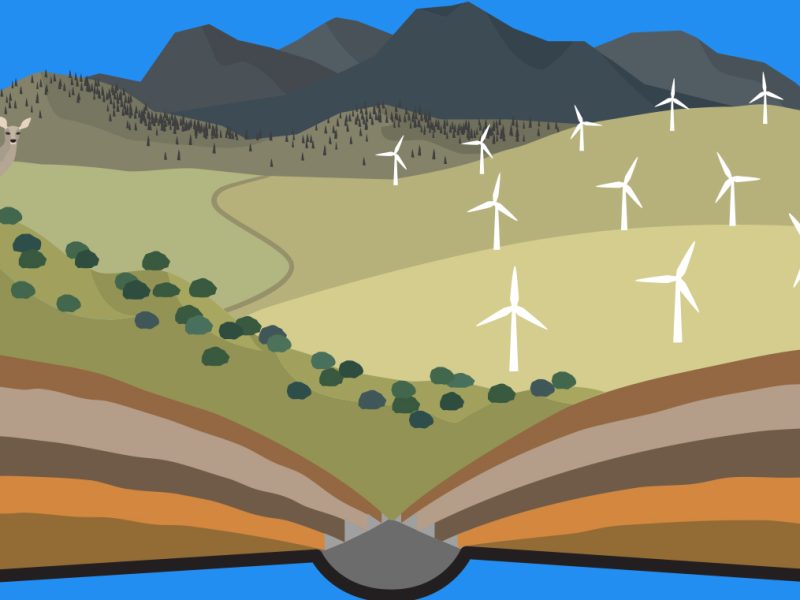
As we continue to recklessly degrade the global environment, and our society starts to feel the sobering consequences, we all need to step back and quickly learn—and live by—the lessons that our living world can teach us.

Nature could soon be imperiled by twice as many vehicles and enough new roads to encircle the planet more than 600 times.
Just when it’s more important than ever to appreciate and understand the wonders of nature, Big Science and mainstream Academia are turning their backs on the living world. It’s time we turn this around, and embrace the lessons that natural history can teach us.
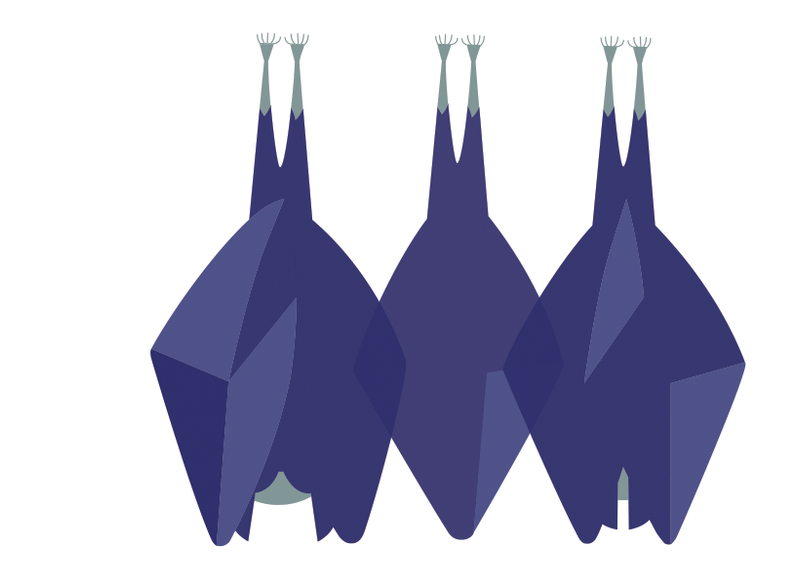
Elizabeth Hadly weighs in on why bats need our help—now more than ever—and why we need bats.