The Traveling Museum of Palestinian Nature
A mobile museum brings conservation and biodiversity to rural communities in the West Bank.

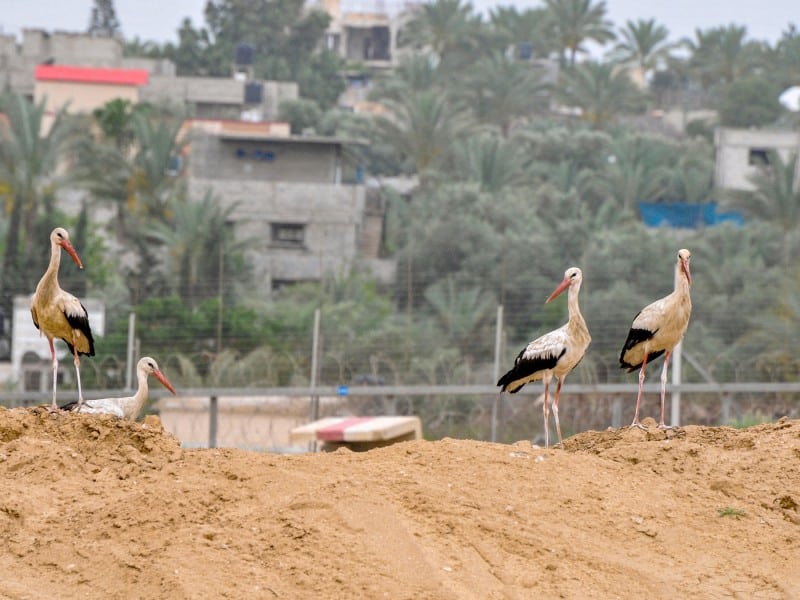
A mobile museum brings conservation and biodiversity to rural communities in the West Bank.
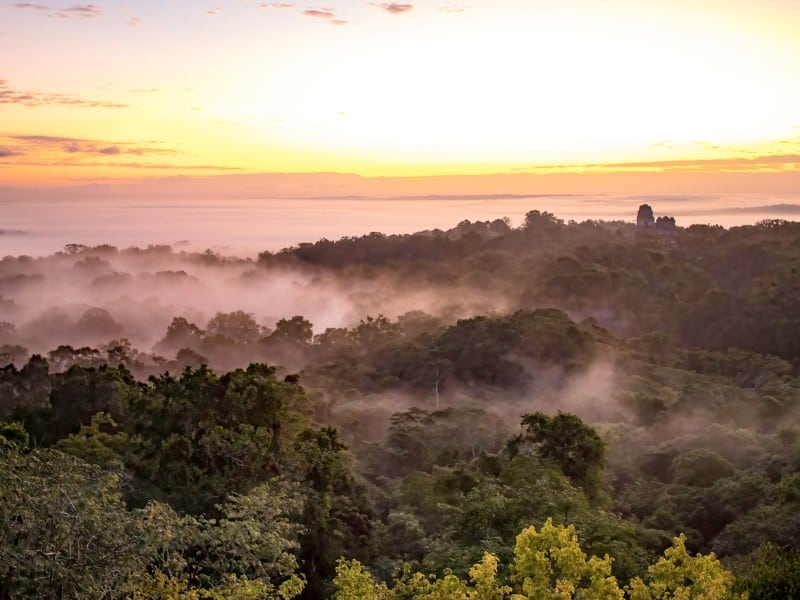
Communities in the Maya Biosphere Reserve are figuring out new ways to fund their work and protect their forest after losing key funding.
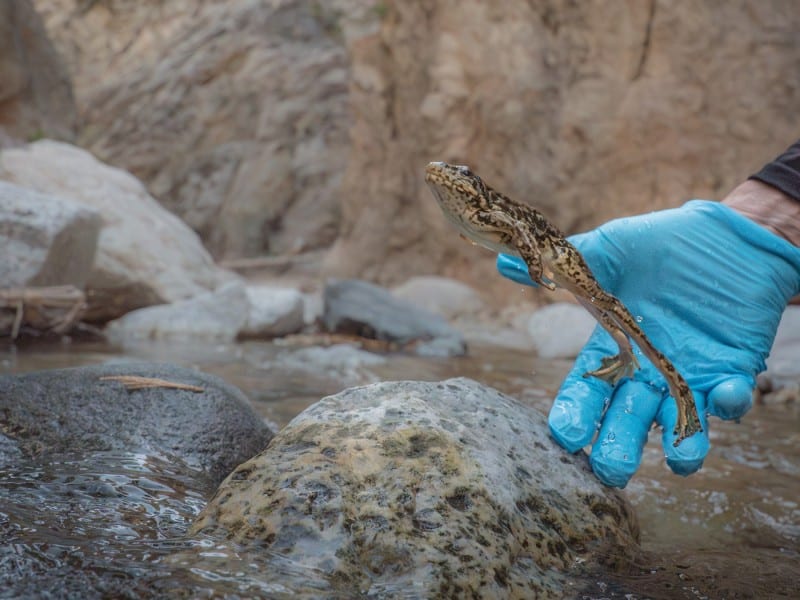
In the burn-scarred mountains of Southern California, a team of biologists fights to help an imperiled frog.
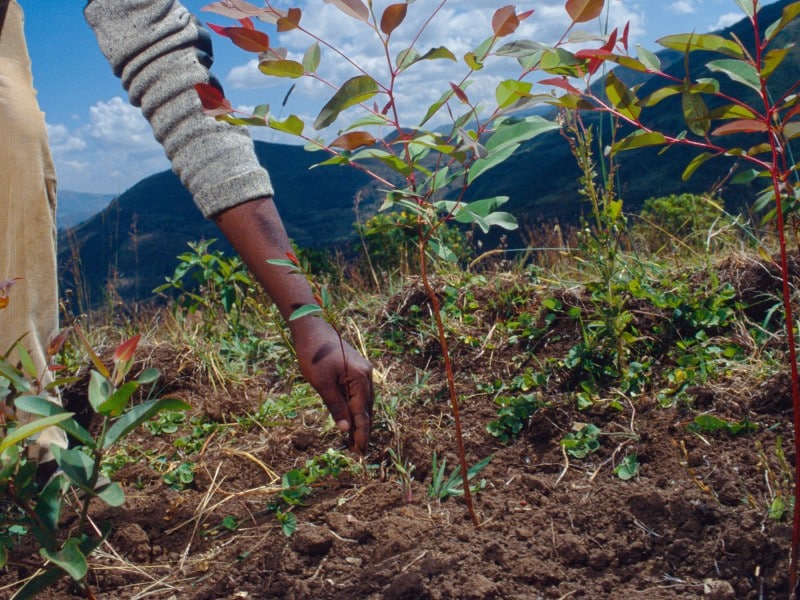
Efforts to restore lost forests often fail, but Ethiopians are betting big: planting billions of saplings to revive habitat, regenerate soil, and stabilize the land.

New research shows that meeting tree canopy goals could prevent more than 67,000 premature deaths in the United States.
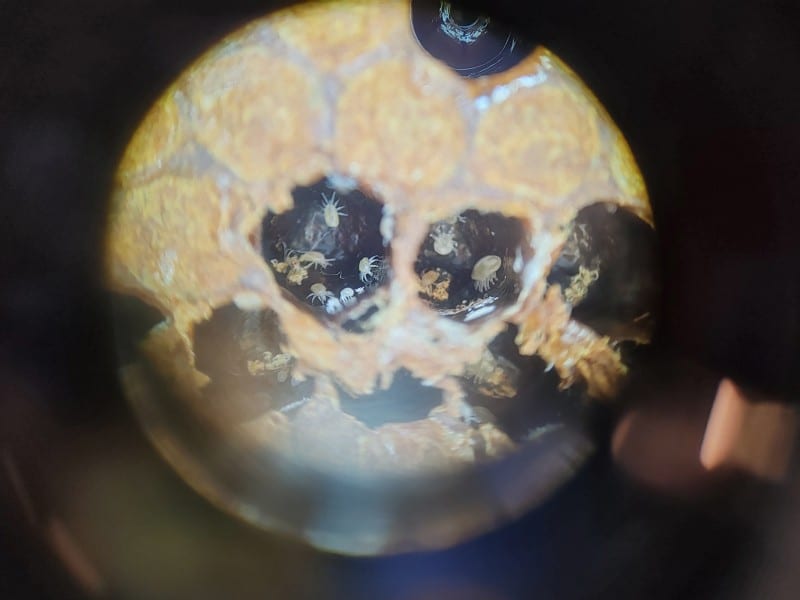
Pollinator pathogens are spreading through international trade, threatening both agriculture and wild ecosystems.
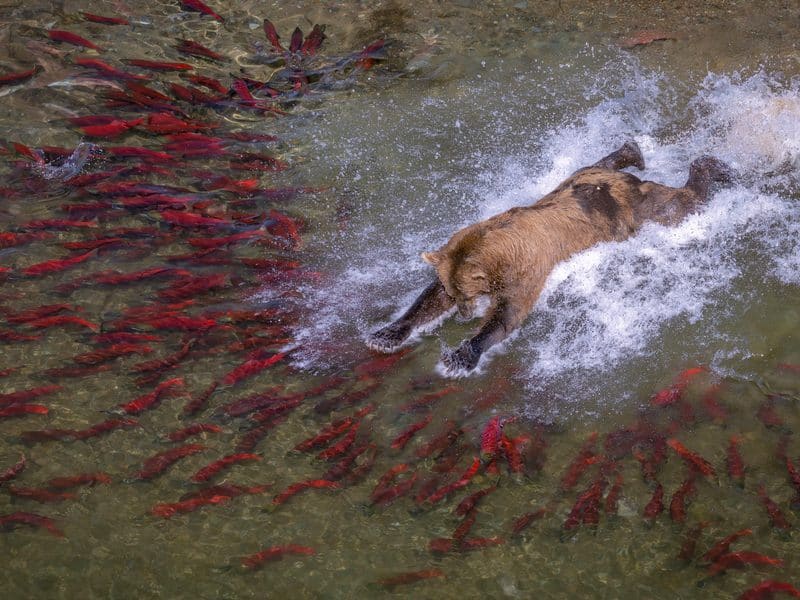
To bulk up for winter hibernation, Alaska’s brown bears employ a range of techniques for snaring salmon.
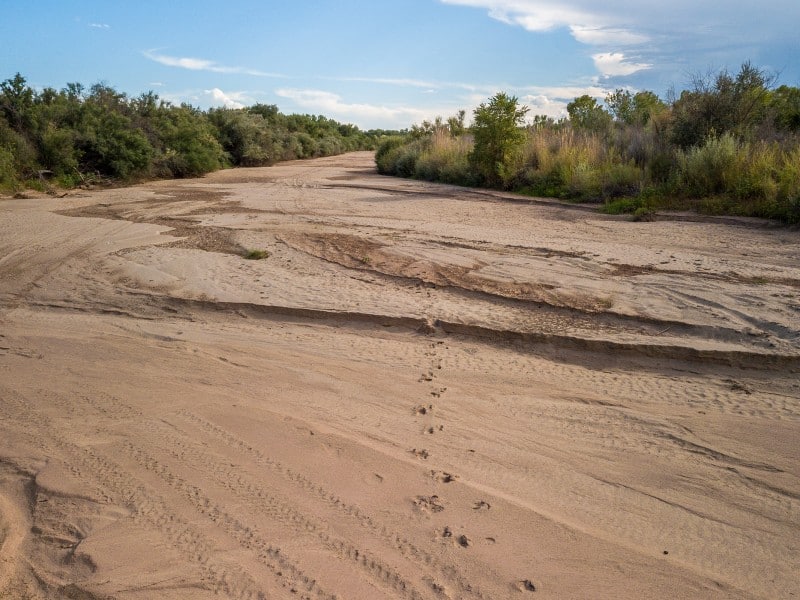
Twenty-five years ago, land managers unleashed a beetle to control an invasive tree sucking rivers dry. But water levels haven’t risen—and the real villains are still causing trouble.
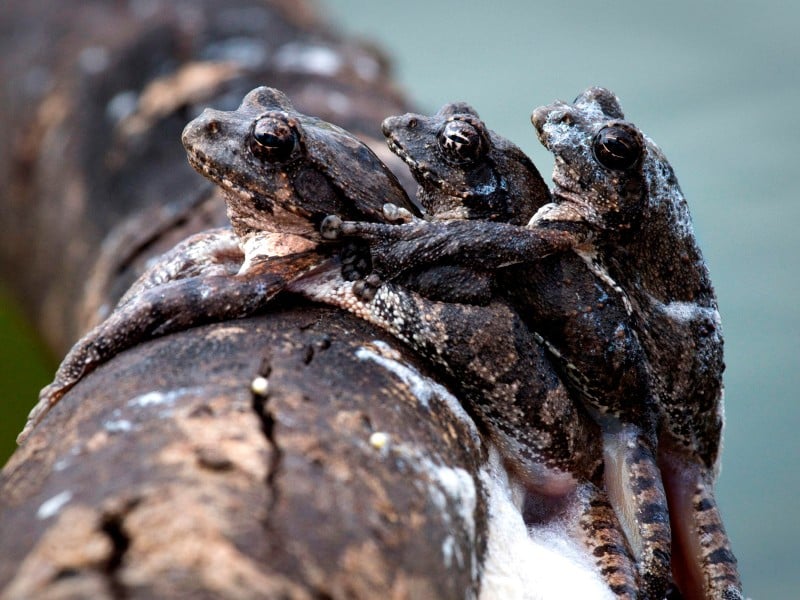
New science on gray foam-nest tree frogs hints at the evolutionary benefits of multiple sexual partners.
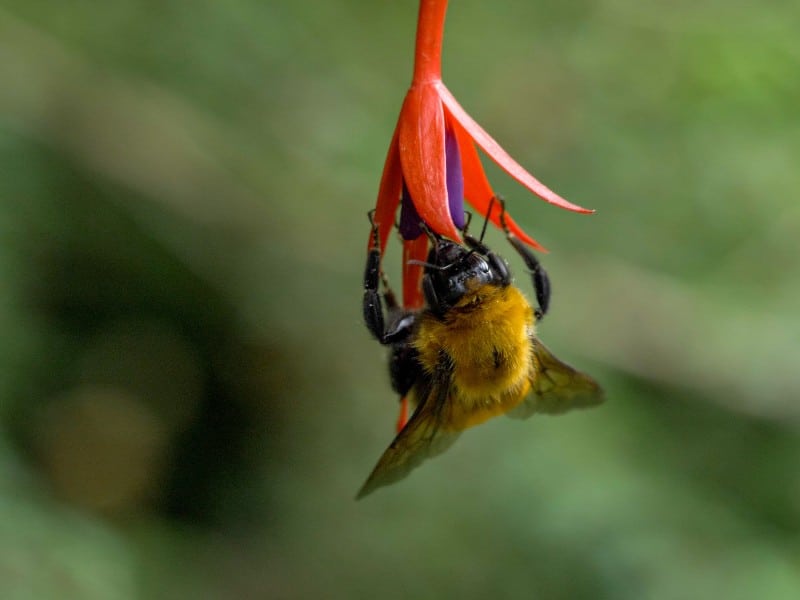
In a region synonymous with wilderness, native bumblebees are being replaced by industrial worker bees—and ecosystems are paying the price.