The Unwilding of Patagonia’s Pollinators
In a region synonymous with wilderness, native bumblebees are being replaced by industrial worker bees—and ecosystems are paying the price.

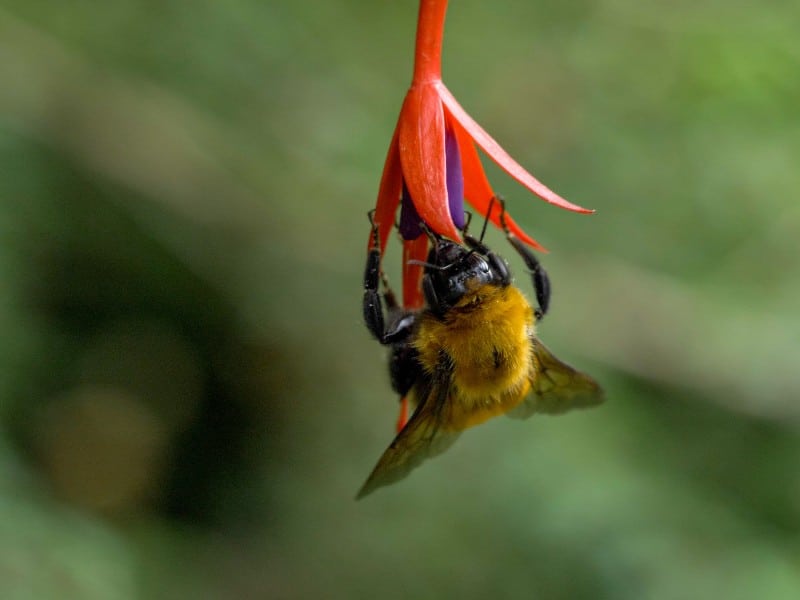
In a region synonymous with wilderness, native bumblebees are being replaced by industrial worker bees—and ecosystems are paying the price.
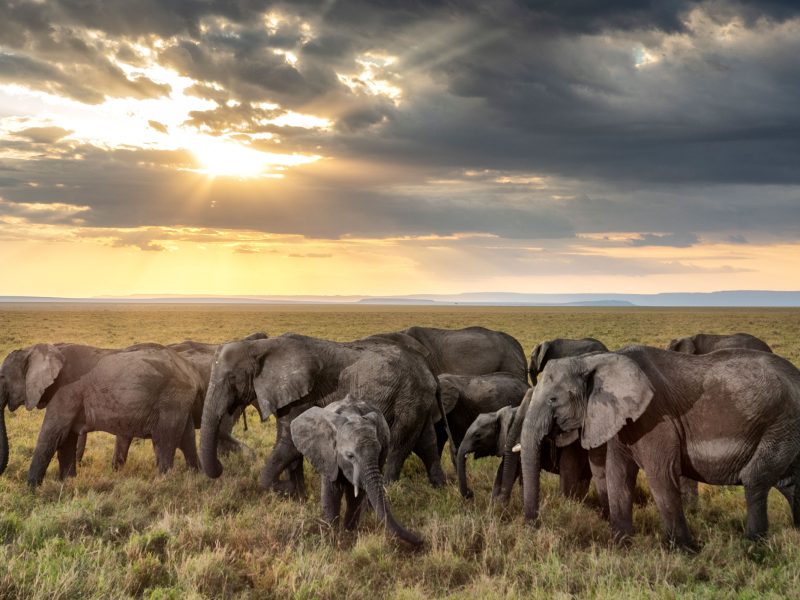
A look back at the United States’ outsize influence on global conservation reveals why the latest funding cuts should come as no surprise.
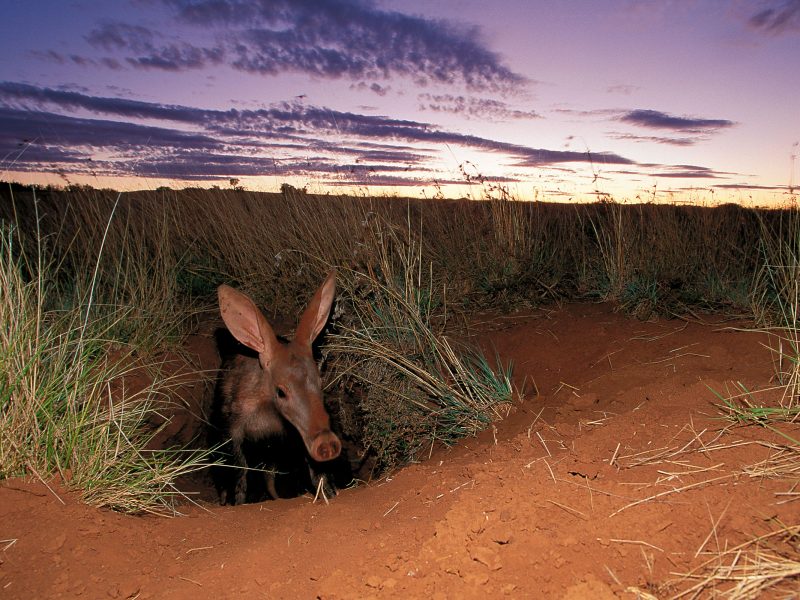
Animals of all kinds mix and mingle in underground burrows, offering troubling opportunities for diseases to jump species.
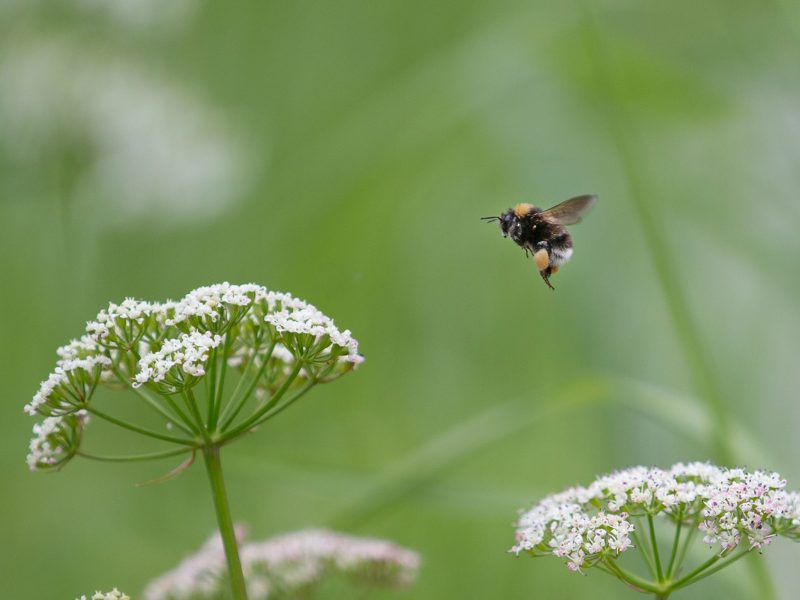
A journey into the wild and not-so-wild world of bumblebees and the unintended consequences of domestication.
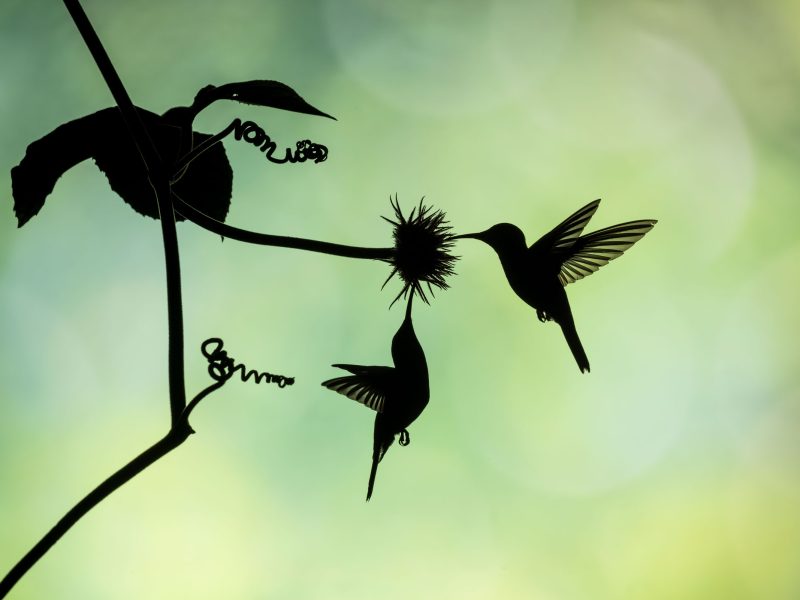
The green-crowned brilliant is one of over 360 species of hummingbirds, feathered flying jewels that have fascinated people the world over.
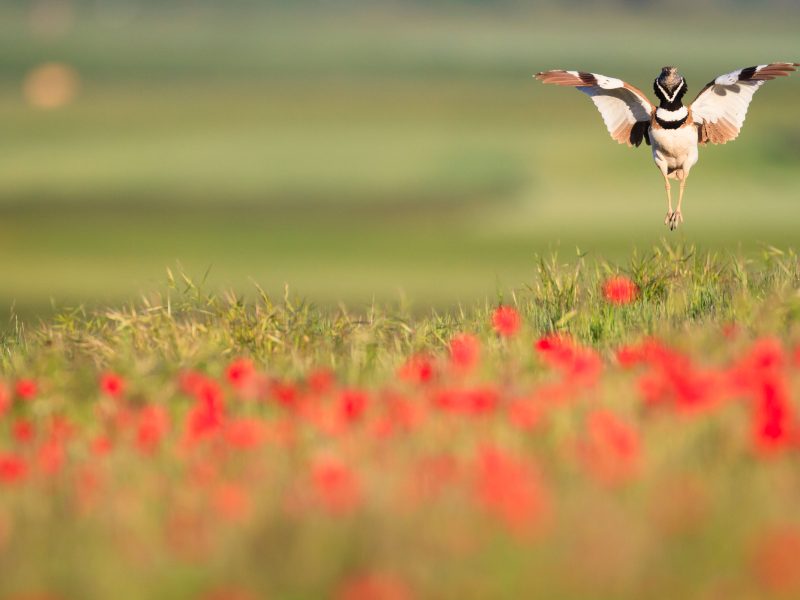
Little bustards thrive when farmers scale back.
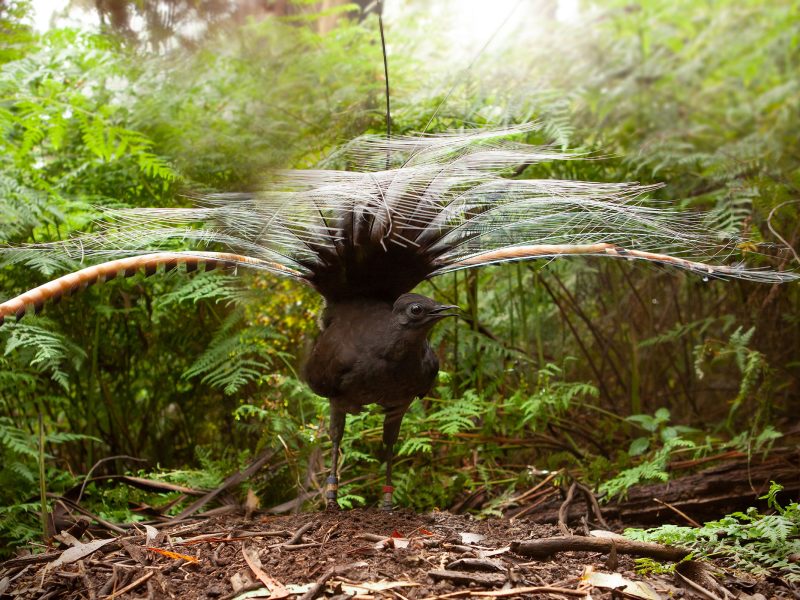
New research shows that superb lyrebirds dig in the dirt to create habitat for other species—and to sate their own appetites.
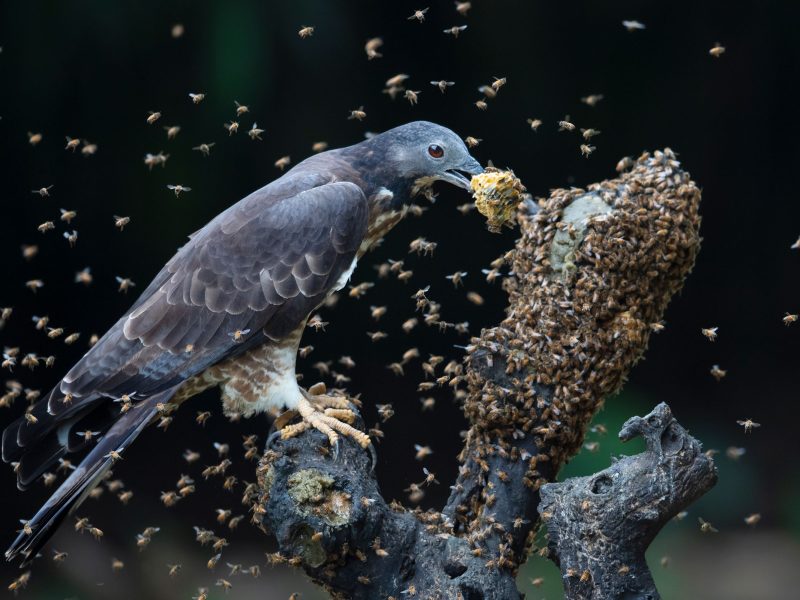
Crested honey buzzards have unique adaptations for eating their favorite foods: young bees and wasps.
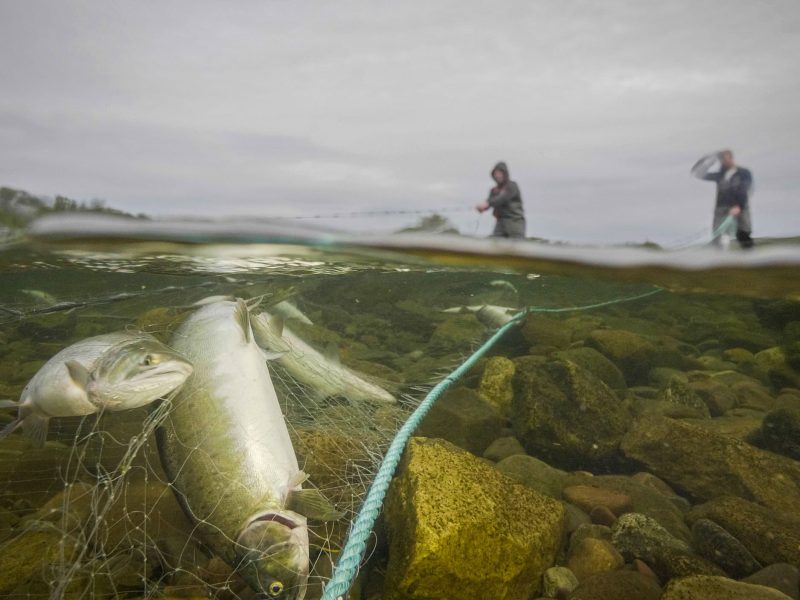
Non-native pink salmon have swarmed Norway’s rivers, prompting a relentless—and potentially fruitless—fight to beat back the invaders.

Help us smash our original goal and reach $30,000 by October 2.