
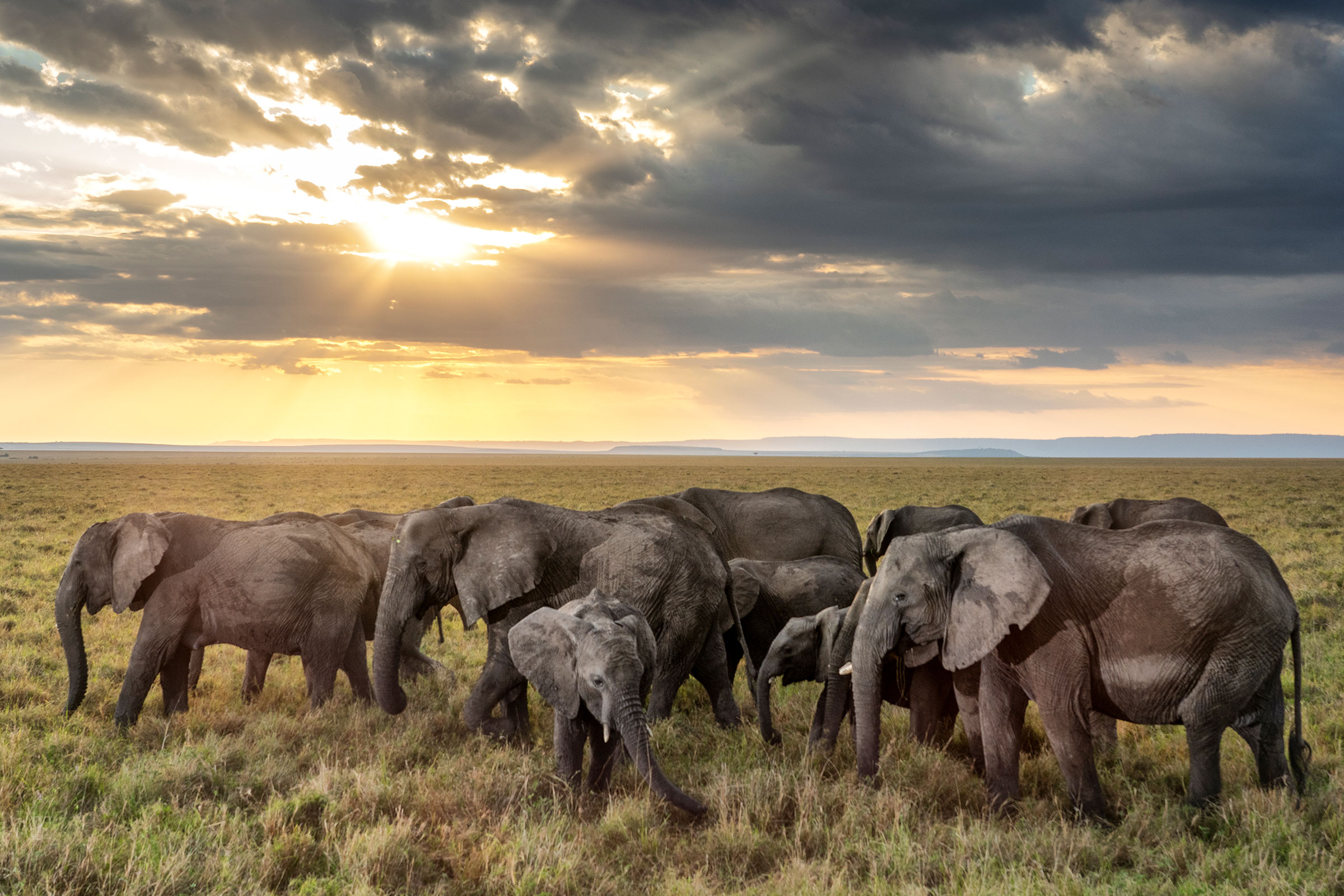
This story is part of our special issue on the state of global conservation one year after the Trump administration enacted sweeping changes. Read the other stories at Conservation Enters a New Era.
In 1919, on a trip to the United States, King Albert I of Belgium camped at Yellowstone National Park alongside the president of the American Museum of Natural History and a small circle of conservationists. Albert’s companions knew their royal guest could alter the fate of wildlife with a simple stroke of his pen, and somewhere among the geysers and hot springs and geological wonders they found an opportunity to extoll the virtues of a national park.
Albert ruled Belgian Congo (now the Democratic Republic of Congo, or Congo), where mountain gorillas lived in the high-altitude forests. From the moment Europeans first laid eyes on a mountain gorilla in 1902, the animals—an elusive subspecies of the eastern gorilla—had become a target of hunters and naturalists alike. Over the next 20-plus years, hunters from the U.S. and Europe shot at least 54 mountain gorillas across their range in Central Africa and had them taxidermied and placed on display, most notably in a diorama at the American Museum of Natural History in New York. Yet even while their compatriots were continuing this deadly pursuit, the men gathered in Yellowstone with Albert had reached a startling realization: Mountain gorillas were on a fast track to extinction. The best chance of saving the subspecies was to convince Albert to afford them protection.
A network of conservationists—many associated with the Boone and Crockett Club created in 1887 by Theodore Roosevelt and other elite hunters who increasingly identified as protectors of the wild—had urged Albert to tour U.S. national parks: Yellowstone, Yosemite, and the newly minted Grand Canyon. The king was an avid outdoorsman and celebrated mountaineer, and these innovative models of conservation resonated with him. In 1925, he decreed the creation of Parc National Albert in Belgian Congo.
The park would protect mountain gorillas and their habitat. Just as notably, it was a pivotal moment in the U.S. becoming an active exporter of its conservation philosophy.
Eventually, the U.S. would become one of the most influential forces in—and funders of—global conservation. For more than a century, it has largely set the agenda. Through example, it seeded the notion of national parks. Through diplomacy, it protected migratory birds. Through domestic environmental policy, it curbed commercial whaling.
One hundred years after Albert created his eponymous park, however, the country’s influence in global conservation is rapidly contracting. And looking back, it’s clear that the United States’ global conservation efforts have always been permeable to political whims and rife with contradictions—protection and dispossession, idealism and cynicism, compassion and indifference.
Photograph by Martin Prochazkacz/Shutterstock
The Park as a Fortress
At the time of Albert’s visit, Yellowstone—considered the world’s first national park—was almost 50 years old. It had already inspired Australia’s Royal National Park in 1879, Banff National Park in Canada in 1885, and Sweden’s collection of parks in 1909. The men hoping to influence Albert were not focused on those successes but on preventing what they saw as an impending crisis: the rapid decline of wildlife, particularly in Africa, where Roosevelt had helped usher in the golden age of the African safari several years earlier. In 1909, shortly after leaving the presidency, Roosevelt, his son Kermit, a collection of naturalist colleagues, and a coterie of African guides and assistants embarked on a yearlong hunting expedition across East Africa that killed an estimated 11,400 animals. Most were destined for U.S. museums. To Roosevelt and his peers, hunting and conservation were complementary pursuits. The work of species preservation, they believed, depended on having specimens for science and display.
Colonial governments across Africa had already created game reserves to protect charismatic megafauna. But reserve boundaries were politically fragile. As white settlers demanded land for cattle and crops, protected areas shrank or shifted, often into areas still inhabited by Africans. Yellowstone represented a novel idea. To preserve nature, proponents claimed, boundaries must be fixed and inviolable, like a fortress.
In Parc National Albert, under threat of “severe penalties,” no one could disturb the flora or fauna in any way, nor visit without a special permit. Belgian colonial officers policed the sanctuary. Banishing local people—in this case, the Indigenous Batwa—under the belief that a wild landscape contains no people was a U.S. export. The creation of Yellowstone is stained with the violent dispossession of 26 Indigenous tribes from their ancestral homelands within the park, carried out by the U.S. Army.
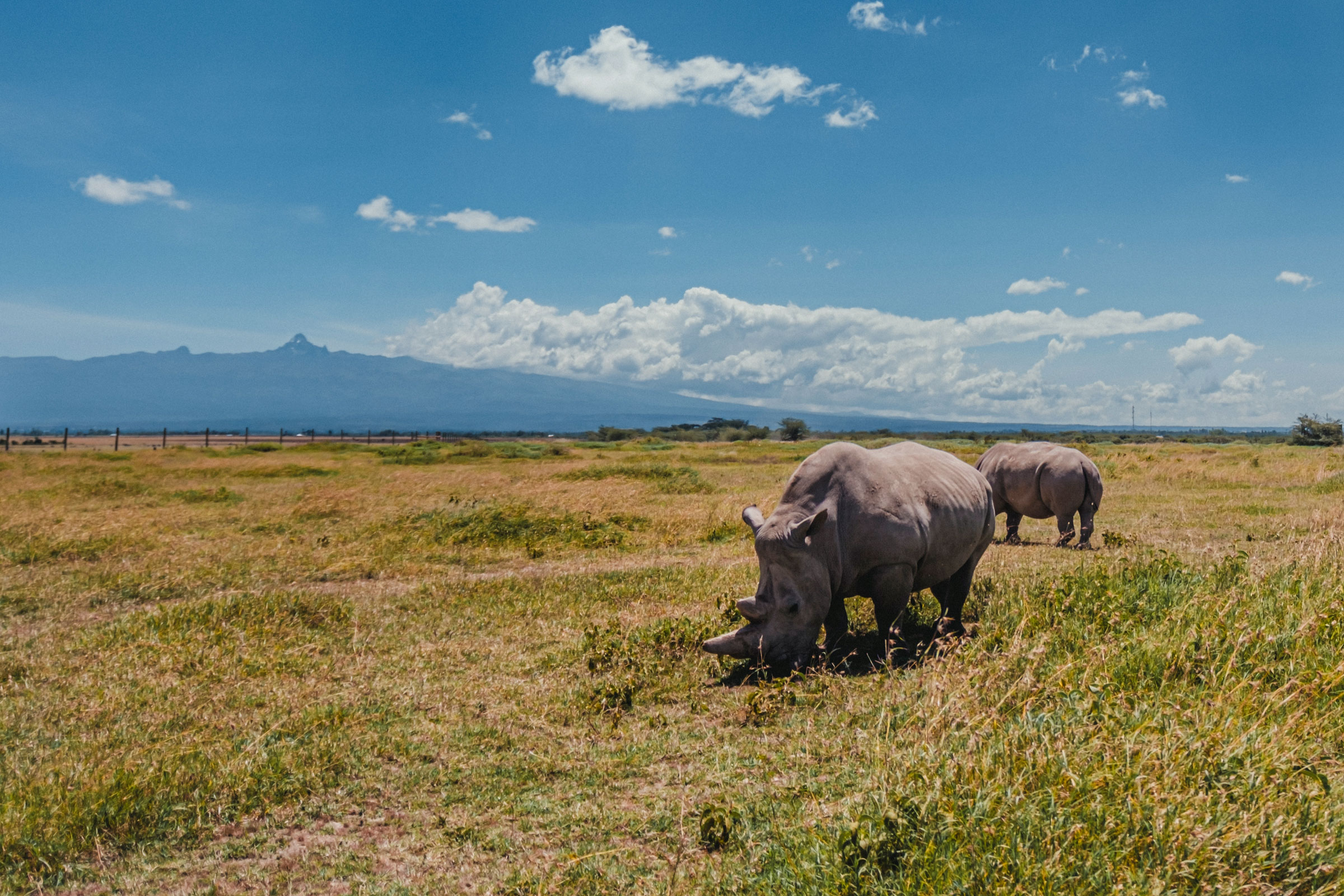
For much of the 20th century, fortress conservation was the dominant global model for protecting the environment. And it has undeniably offered refuge to vulnerable species. Parc National Albert, now known as Virunga National Park, has played a crucial role in protecting the mountain gorilla, with support from the U.S. Agency for International Development (USAID). But that aid has now been cut, leaving the gorillas in peril once more. And the model is no panacea. Despite having nine national parks, Congo lost its last wild population of northern white rhinos to poaching and habitat loss. Today, only two northern white rhinos exist and both are female.
As the fortress model became entrenched, nature became one more commodity in a world dominated by market-based capitalism. In recent decades, as the global economy has shifted toward deregulation and privatization, it has become easier for wealthy individuals and organizations to buy land outright for conservation. The late Doug Tompkins, founder of the outdoor clothing brand The North Face, for example, began buying land in Chilean Patagonia beginning in the 1990s. To date, the conservation foundation he created has donated almost 810,000 hectares (over 2 million acres) of land to the public. However, some of those park boundaries—in echoes of Yellowstone—are still met with lingering resentment by locals and Indigenous people.*
The pattern—preservation framed as progress, built on dispossession—continues. Prakash Kashwan, an environmental social scientist at Brandeis University in Massachusetts, points out that although community-led conservation is often celebrated as an alternative to fortress conservation, efforts that center local communities are comparatively rare. Funding, he says, remains concentrated in the hands of a small number of large conservation groups, keeping power firmly at the top. This isn’t an exception; it’s a systemic problem.
Yet the spread of fortress conservation is only one way that the U.S. exported its conservation ethos. The country has also influenced the global conservation landscape in less problematic ways.
Photograph by Freedom_wanted/Shutterstock
An Ethos of Cross-Border Collaboration
Despite the enthusiasm for fortress parks, early conservationists understood that some species were not suited to that type of protection. In 1916, the U.S. and Great Britain (on behalf of Canada) signed the Migratory Bird Treaty—the first international treaty to protect shared wildlife.
Before the treaty, wealthy hunting clubs or private landowners largely drove the idea that nature needed formal protections, but governments did not engage in international conservation. According to U.S. Fish and Wildlife Service (USFWS) historian Mark Madison, the treaty marked a turning point. It was “the first coherent attempt to globally conserve wildlife,” Madison says. “It’s really important, and it started because ornithologists in Canada, the U.S., and Mexico had noted that birds are very inept at discerning borders.”
At the time, hunters supplying the fashion industry, restaurants, museums, and taxidermists sprawled across state and international borders to target migratory ducks, geese, swans, and other birds year-round. By the 1880s, hunting and habitat destruction had killed off the great auk and Labrador duck, while the wood duck was barely holding on.
For the U.S. federal government, the treaty upheld the federal authority established in the Constitution. The federal government was asserting, for example, that California did not own the birds on the Pacific Flyway, a major north-south migratory bird route stretching from Alaska down the west coast of the Americas to Patagonia. “Hunters cannot decimate them all before they get to Mexico or before they go back north to British Columbia,” Madison says. The treaty allowed federal authority to override state wildlife laws, which angered some state officials.
In the spring of 1919, U.S. game warden Ray Holland arrested five hunters (one was the state’s attorney general) near Neosho, Missouri, for shooting ducks out of season and violating the new law. The state challenged the constitutionality of the Migratory Bird Treaty. In 1920, the case reached the U.S. Supreme Court. In a landmark decision, the justices affirmed that the federal government had jurisdiction over migratory birds because no one, least of all states, owned the birds.
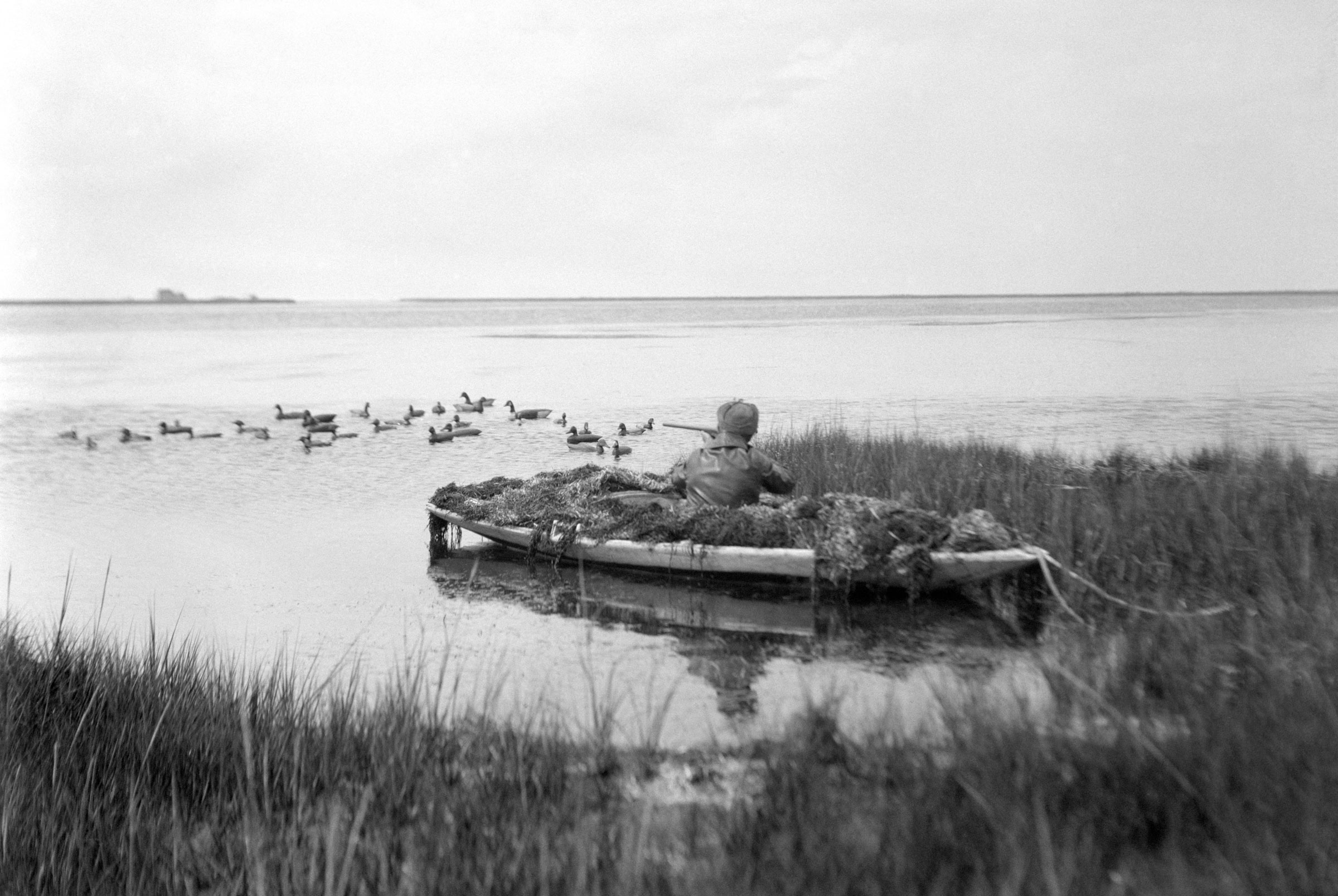
The treaty disenfranchised Indigenous hunters—as most conservation efforts have done and still do—but it was a genuine effort to make amends for poor stewardship and became a powerful conservation tool. Thanks to the treaty, a complete ban on hunting wood ducks from 1918 to 1941 gave the ducks a reprieve, and they’re now thriving. The agreement expanded to include Mexico in 1936. Today, most migratory waterfowl populations in the three countries are generally healthy. Yet keeping these species robust requires cross-border collaboration and reams of data—both of which are in jeopardy under the current U.S. administration.
The U.S. had originally set its sights on a treaty with the entire Western Hemisphere and the Pacific Rim, but the diplomacy was daunting. Still, in 1940, a majority of countries in South and Central America, along with the U.S. and Mexico, signed the Convention on Nature Protection and Wild Life Preservation in the Western Hemisphere. Japan signed a migratory bird treaty with the U.S. in 1972, as did the Soviet Union in 1976—cooperation amid Cold War animosity.
In the first half of the 20th century, U.S. influence on global conservation was a slow affair of informal persuasion and diplomacy. After World War II, it accelerated dramatically, becoming entangled with development policy and geopolitics. And while some environmental and political leaders idealistically believed that focusing on resource management and so-called development would lead to peace, prosperity, and environmental order, others saw it as a Cold War strategy aimed at elevating U.S. values abroad.
Photograph by frank60/Shutterstock
Influencing Global Environmentalism
When Paul Rose, chief of the U.S. Operations Mission to Nepal, toured the Rapti Valley in the early 1950s, he saw a prairie with farming potential. By developing the valley for agriculture and economic growth, the U.S. could ward off communism in a small country geographically close to China, which had already invaded neighboring Tibet. It was a solid plan—if Rose and his team could eradicate malaria-carrying mosquitoes.
If Rose had any regard for the wildlife and people already there, he ignored it. The valley was a functioning grassland heavy with megafauna like the one-horned rhino and Bengal tiger, and it was home to around 25,000 Tharu people, an Indigenous population with a genetic immunity to malaria. Soon after Rose’s visit, the U.S. launched a malaria eradication program in the valley, relying heavily on the pesticide DDT. By the mid-1950s, the World Health Organization adopted similar strategies globally, with generous funding from the U.S.
With the risk of malaria abated, Nepali settlers poured into the valley, claiming land, cutting forests, diverting streams, and plowing grasslands. Malaria was gone—but so were swamp deer and wild water buffalo. Habitat destruction and poaching also led to a precipitous drop in populations of Bengal tigers and one-horned rhinos. The Tharu came to call DDT “Danger Dose for the Tharu.” Similar U.S.-funded development projects prioritized economic growth over ecological and social realities throughout the Global South. Eventually, the government created USAID in 1961 to administer the programs.
At home, though, the environmental costs of DDT became impossible to ignore. Rachel Carson’s 1962 book Silent Spring revealed the dangers of pesticides. Meanwhile, nuclear testing in the 1950s and early 1960s, and the ensuing radioactive fallout, further spooked the public. Add a high-profile oil spill that killed marine life off the coast of California, and the modern environmental movement was born.
By the 1960s, Madison says, the U.S. public was rallying around the natural world, resulting in some stunning government-led programs aimed at protection: the Clean Water Act, the Clean Air Act, and the Endangered Species Act (ESA). All were domestic in scope, but the ESA was particularly ambitious. It passed nearly unanimously through both chambers of the U.S. government. And clearly, the act had a non-economic mandate, which the U.S. Supreme Court referenced in a 1978 case, stating that the ESA is intended to halt and reverse extinction “whatever the cost.”
“It’s unique and it attempts to outlaw extinction,” Madison says. Among other industries, the act transformed international whaling. In an effort to protect whales in its own waters, the U.S. threatened sanctions against nations involved in whaling. It also gave weight to the increasingly popular idea that whales were intrinsically valuable and not simply a resource to be managed. By the early 1980s, the International Whaling Commission placed a ban on commercial whaling.
The ESA also sparked legislative mimicry around the world—Ireland’s Wildlife Act of 1976, Canada’s Species at Risk Act of 2002, Kenya’s Wildlife Conservation and Management Act of 2013, and others. Each contains the core idea that a nation has a duty and authority to protect species. But while such laws represent genuine attempts at responsible government action in the face of a worsening global crisis, what happened next changed the paradigm again.
The idea that the market can save nature, coupled with rising national security concerns, upended the lofty ideals that sacrificing nature to the altar of economic growth is morally wrong. The belief that governments have an obligation to protect the more-than-human world, became, in a sense, politically unfashionable.
Photograph by Setta Sornnoi/Shutterstock
Market- and Military-Driven Conservation
Under the leadership of U.S. President Ronald Reagan and U.K. Prime Minister Margaret Thatcher in the 1980s, government intervention was framed as a problem, not a solution, for the world’s ills. Reagan and Thatcher’s administrations led the charge for renewed economic growth, encouraging private enterprise to pick up the slack as the state pulled back.
Around the same time, however, the public became aware of the biodiversity crisis. This was different from the desire to save individual animals from oblivion. Headlines about tropical rainforest loss and species extinction led to a collective call to address the crisis, and nongovernmental organizations (NGOs) responded. Their desire to protect natural environments was as strong as it had been during the idealism of previous decades, but they shifted philosophically to align with conservative governments. NGOs adopted the parlance of sustainable development—a market solution to the biodiversity crisis.
In the U.S., NGOs helped amend foreign aid laws to emphasize biodiversity protection, framing conservation as compatible with economic growth. Globally, NGOs became the primary foreign aid conduits for sustainable development programs. By the turn of the century, USAID had shrunk, while the five largest conservation organizations—including Conservation International, The Nature Conservancy, and World Wildlife Fund-US—expanded, with sustainable development as their mantra.
Only an economic and political powerhouse like the U.S. could introduce the marketplace as the savior of the natural world, Kashwan says. “I don’t know any other country that could have done that,” he says. “It’s a huge influence.”
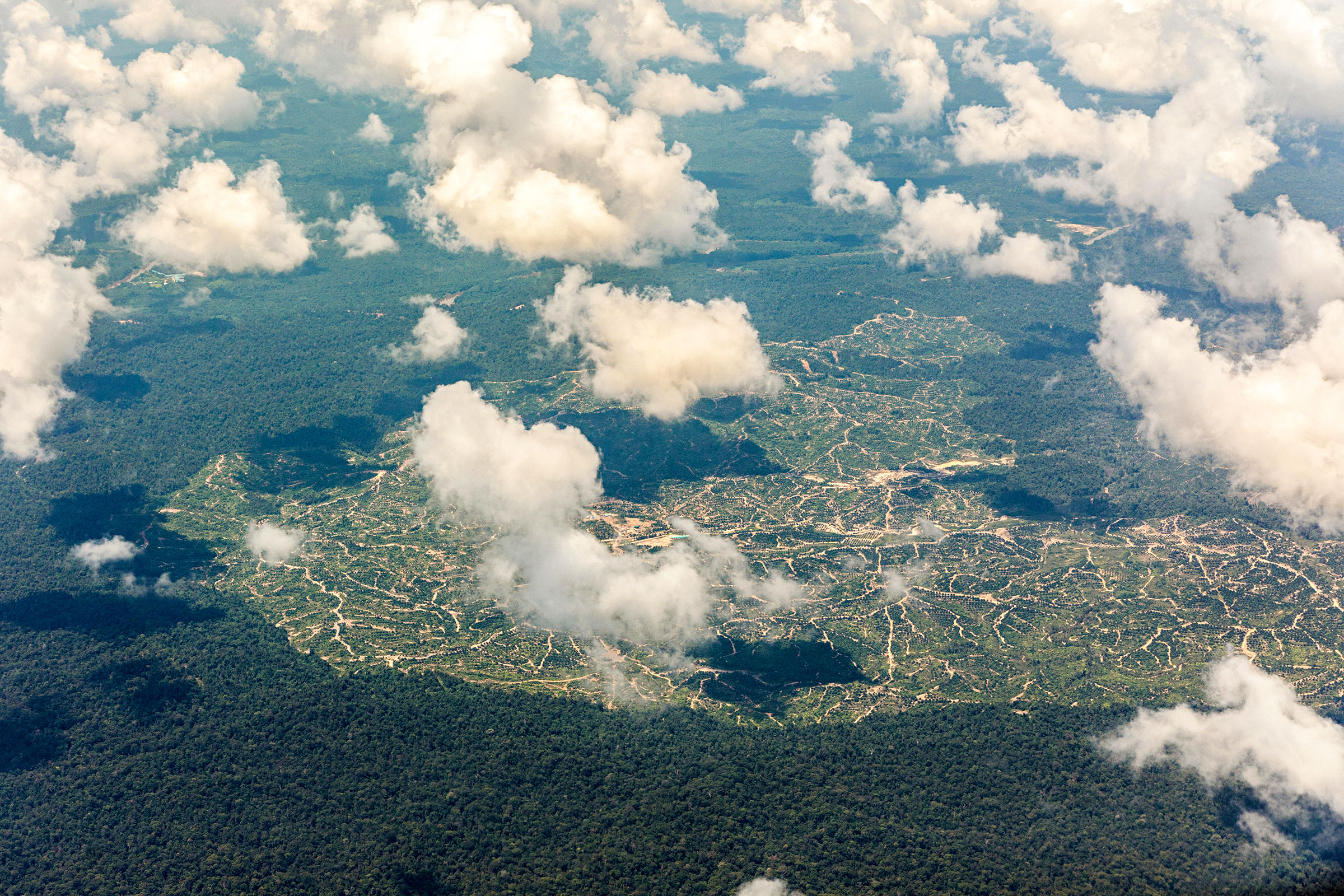
The problem with relying on the market to solve conservation problems? No one really knows if the majority of market-based sustainability programs work. Case failures are rarely published or widely discussed. Corporate greenwashing is common. And using the market to incentivize conservation can lead to inequity. Forest certification programs, for example—meant to independently validate forests professing sustainable management—proved costly and inaccessible in tropical countries, often excluding the very people they aimed to help while benefitting big corporations. Palm oil companies, for instance, used their market muscle to revise certification standards and continue exploiting rainforests with little consequence.
Tackling environmental problems fell further down the list of U.S. priorities after two planes slammed into the World Trade Center in New York City on September 11, 2001. Foreign aid and military policy became jumbled. The war on terror had begun—and with it, another political shift in how the U.S. shaped global conservation.
While conducting research for his PhD in Mozambique in the 2010s, Francis Massé, a political ecologist at Durham University in England, detected a shift in how the U.S. was allocating its international aid money. He and his colleagues working in Congo, Tanzania, and other African countries saw a sudden influx of funding for projects combating the illegal wildlife trade. Massé wondered how national security was reshaping conservation assistance. He decided to spend a few years researching that idea.
Around the time Massé noticed the trend, a collision of relevant events was making headlines. Illegal trafficking of elephant and rhino ivory was reaching crisis level, and the Somali terrorist organization al-Shabaab had risen to power. In 2011, one of its foot soldiers drove a truck laden with bombs into the gate of a federal government complex in Mogadishu, Somalia, killing up to 100 people. The nonprofit U.S.-based Elephant Action League (now Earth League International) and others accused al-Shabaab members of acting as middlemen in the ivory trade, moving 1 to 3 metric tons of ivory through Somalia each month, which was about 40 percent of the terrorist organization’s budget. If terrorism spread, so would insecurity to other African countries—a political possibility that would threaten U.S. political and business interests. Quashing illegal wildlife trafficking around the globe became part of U.S. foreign policy and national security agendas.
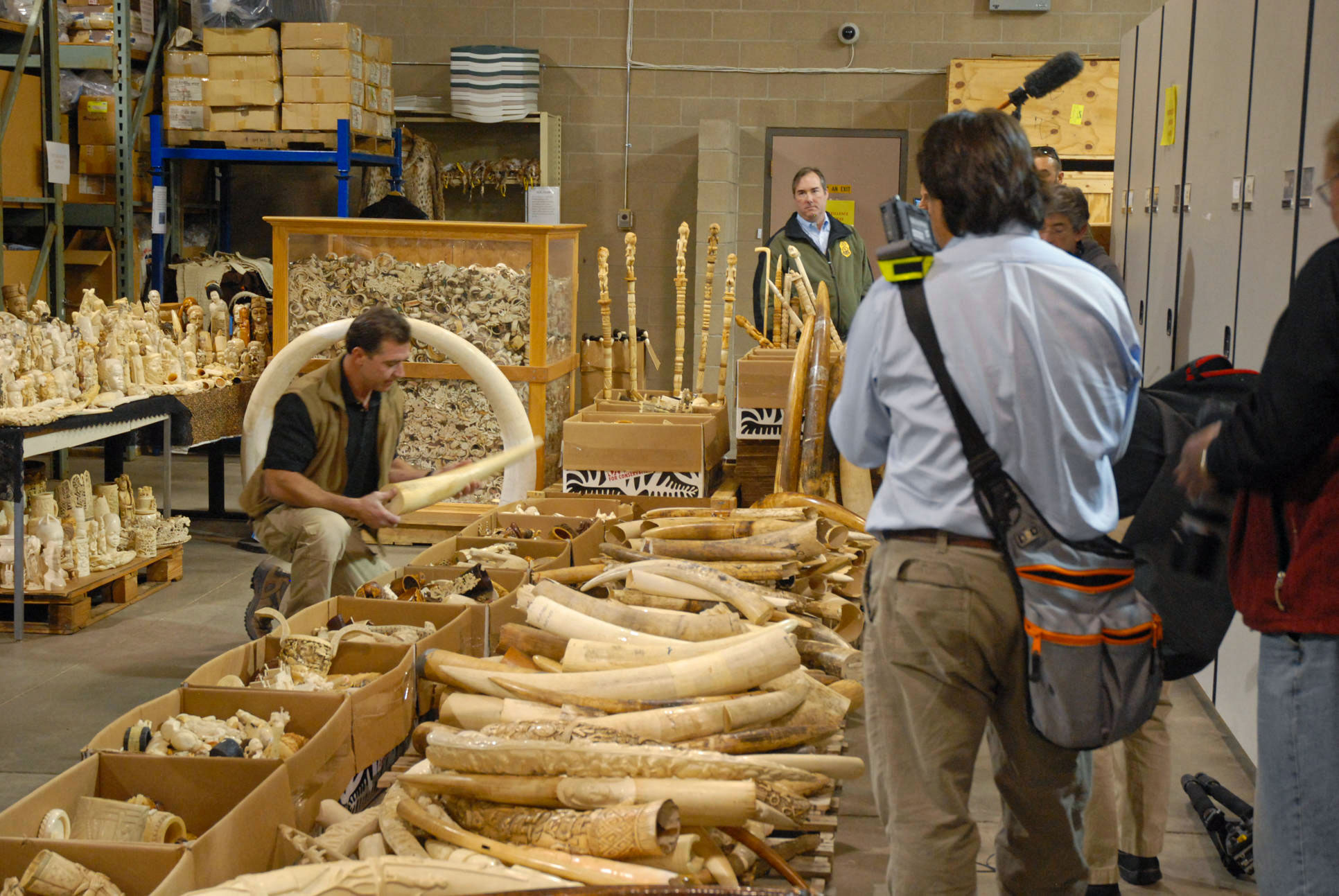
Massé dug into funding databases, such as those from the USFWS and USAID. “The beauty of democracies is that a lot of this stuff is open and transparent,” he says. The numbers from a variety of conservation projects from 2002 to 2018 showed a clear trend: Funding to fight wildlife crime began increasing in the early 2010s.
In 2014, Congress earmarked $45 million from its budget for international biodiversity projects to combat the threat of wildlife poaching and trafficking, in part by funding park rangers. By 2017, that had increased to $91 million. During the same period, other U.S. agencies were asked to reallocate budgets to fight wildlife trafficking: at least one agency was instructed to repurpose 25 percent of its biodiversity budget.
But the shift in funding was unsupported by the facts. Al-Shabaab relied mostly on extortion, and the link between wildlife trafficking and terrorism is tenuous at best. Other organized crime groups, brokers, and corrupt government officials were driving the ivory crisis in Somalia. And while Massé agrees that supporting conservation law enforcement to combat poaching is essential to saving rhinos and elephants, he sees a problem with the distribution of resources.
“We see a lot more redistribution toward law enforcement and policing as a first approach to combat poaching and wildlife trafficking,” Massé says. In the process, other conservation-related activities like monitoring lose funding. “They’re not new resources; they’re being shifted out from elsewhere and away from other priorities.”
Photograph by imageBROKER.com/Shutterstock
Reimagining U.S. Influence
Today, the U.K., the World Bank, and others have taken up these same market- and military-based approaches to global conservation. On a broad scale, conservation investment is often connected to homeland security and economic interests. Even as the U.S. pulls back its support of local NGOs and intergovernmental bodies like the United Nations, its long, meandering influence continues to reverberate.
There is something to learn from this history. Though the U.S. has helped seed the mechanisms of modern environmentalism, the nation has never had a consistent approach to protecting the natural world, and certainly not the natural world beyond its borders. The federal government’s philosophy and policies have changed over time, always—it seems—in step with the domestic zeitgeist, as determined by protestors or presidents.
Global conservation has long been seen as an act of charity, a geopolitical chess move, or a crisis response. But conservation works best with a shared vision, common goals, and strong relationships between disparate communities. As the era of U.S. dominance in the global conservation landscape dwindles, a clear-eyed understanding of how we got here could help shape a stronger, more inclusive future—one based more on mutual trust and less on economic and political self-interest.
* Correction: A previous version of this article incorrectly stated that Pumalín Douglas Tompkins National Park excluded locals and Indigenous Mapuche people.
Photograph by Pixelid/Shutterstock
Hi, I’m Dave, the executive director of bioGraphic. (And that’s my dog, Finn.) Thanks for taking the time to read this story.
Stories like this simply don’t get produced without financial support from readers like you. bioGraphic is not backed by a private company or owned by a billionaire. It’s an independent, nonprofit magazine. And one-quarter of our annual budget comes directly from reader donations.
We need your support more than ever, as governments slash funding for conservation and scientific research, placing even more ecosystems and wildlife at risk around the world. At bioGraphic, we’re steadfastly shining a light on the threats to our planet’s incredible biodiversity. And we’re showcasing the hard work of people bravely taking action to protect at-risk species.
bioGraphic publishes environmental reporting that you can’t find anywhere else: deeply researched, trustworthy stories that are also beautiful and captivating to read. We offer an antidote to reader apathy and doom-and-gloom news by revealing the wonders of the natural world and focusing on real solutions to big problems. When you finish a bioGraphic story, we want to leave you feeling informed, delighted, and inspired.
We don’t run ads or hide our stories behind a paywall. The readers who generously support bioGraphic allow our work to remain free for everyone.
Will you help us keep telling these crucial stories?

Author

Related Articles
Ethiopia’s Grand Tree-Planting Plan
Efforts to restore lost forests often fail, but Ethiopians are betting big: planting billions of saplings to revive habitat, regenerate soil, and stabilize the land.
The Trouble with Tamarisk
Twenty-five years ago, land managers unleashed a beetle to control an invasive tree sucking rivers dry. But water levels haven’t risen—and the real villains are still causing trouble.
Death by a Thousand Dams
Tens of thousands of small barriers hamper fish recovery in the northeastern United States. But while the demolition of big dams out west gets the most attention, a similar revolution is revitalizing northeastern streams and rivers—one tiny dam at a time.