Burial at Sea
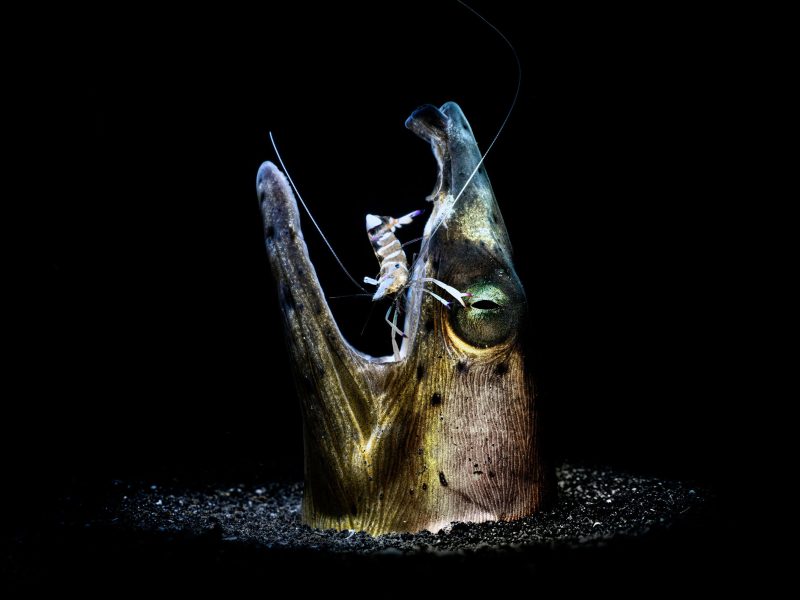
The whitemargin stargazer’s ghoulish, upturned face allows the fish to bury its body in sand and nearly disappear—while watching for its next unsuspecting meal.

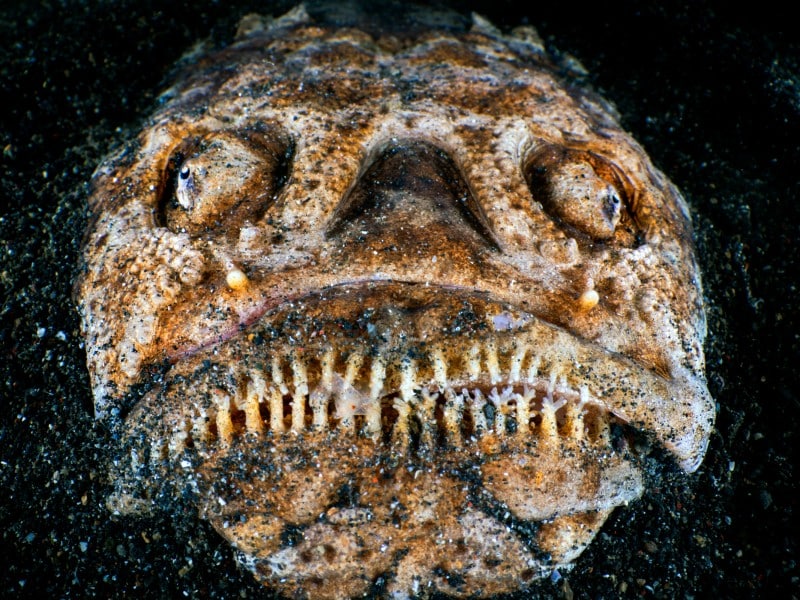
The whitemargin stargazer’s ghoulish, upturned face allows the fish to bury its body in sand and nearly disappear—while watching for its next unsuspecting meal.
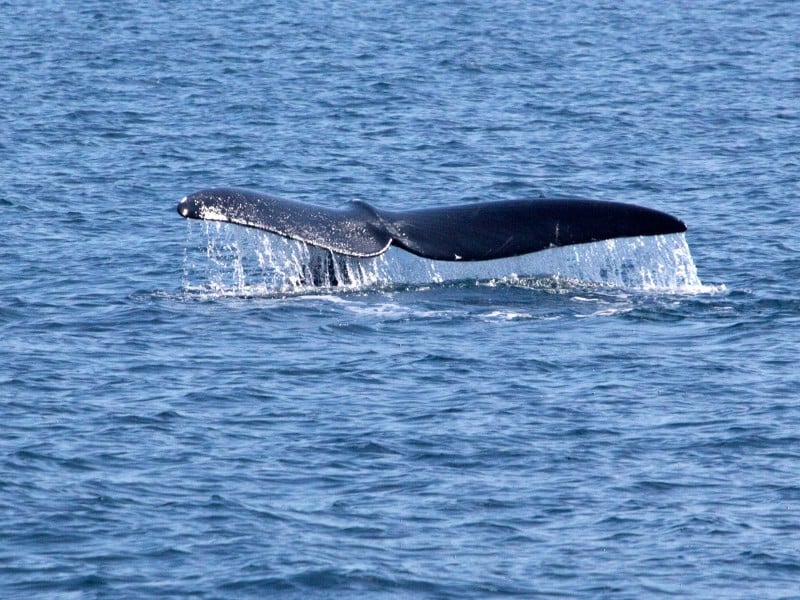
A new fishery in California shows how ropeless crab traps can prevent whales from becoming entangled in fishing lines.
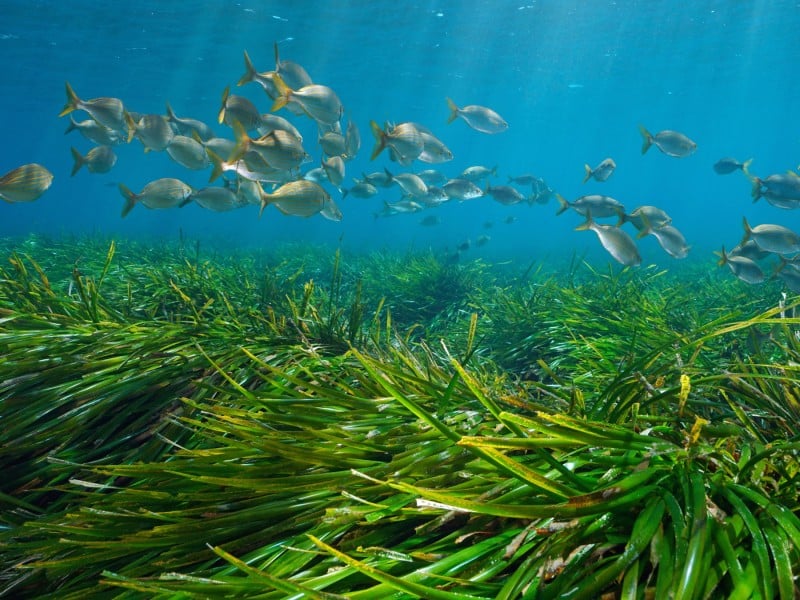
New research shows that seagrass depends on the bacteria around it—and that the antibiotics entering our oceans could disrupt that relationship.
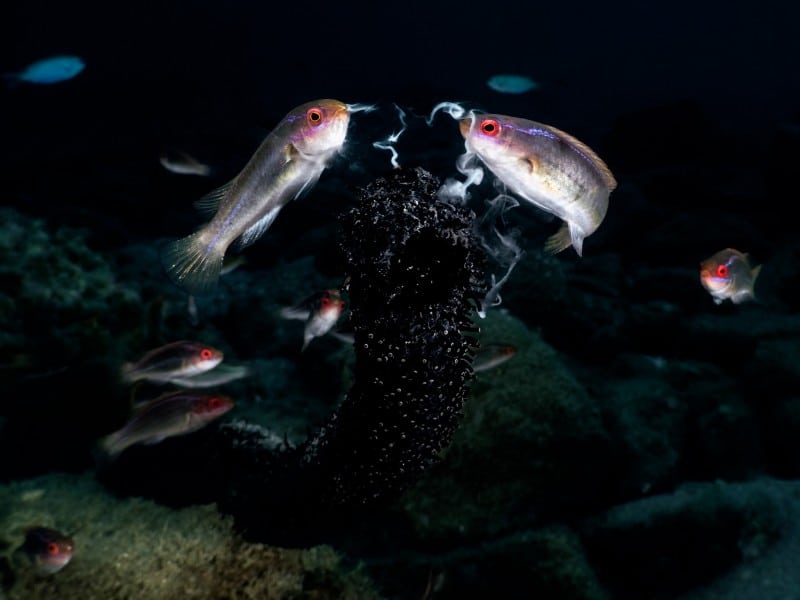
Marine creatures will do almost anything for a meal—including feasting on the sperm and eggs of spawning invertebrates.
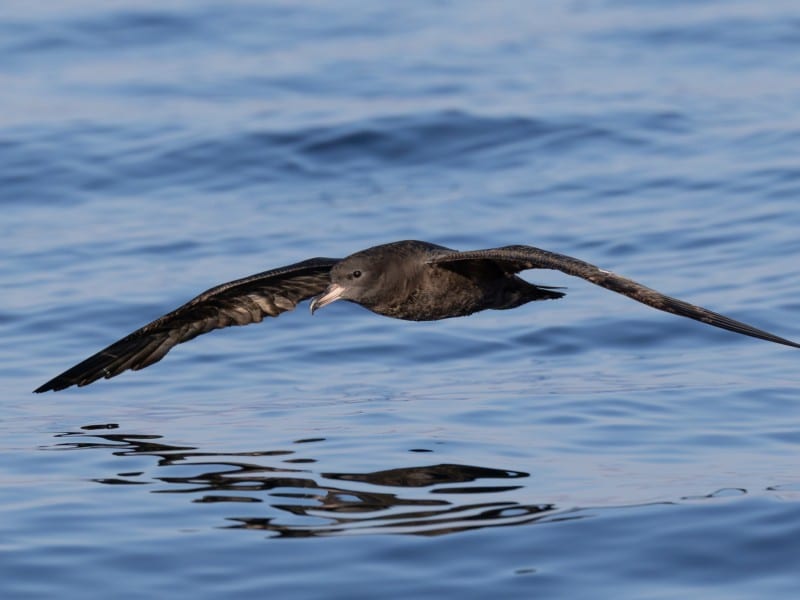
For the first time, researchers uncover how eating plastic trash may impact seabirds at the population level.
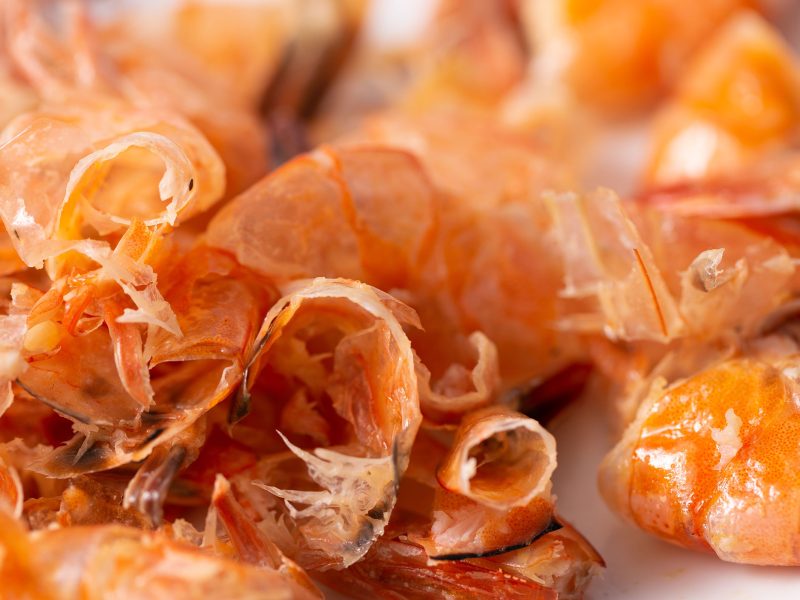
A new, multistep chemical process can turn bits of organic waste into “carbon-negative” fuel, food, and construction material.
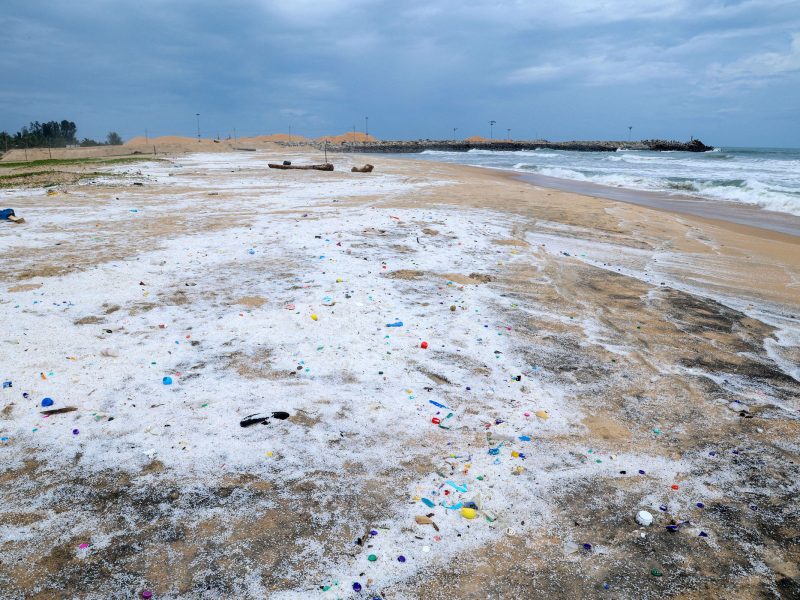
A year after a shipwreck flooded India’s beaches with tiny plastic pieces, scientists fear the environmental damage has just begun.
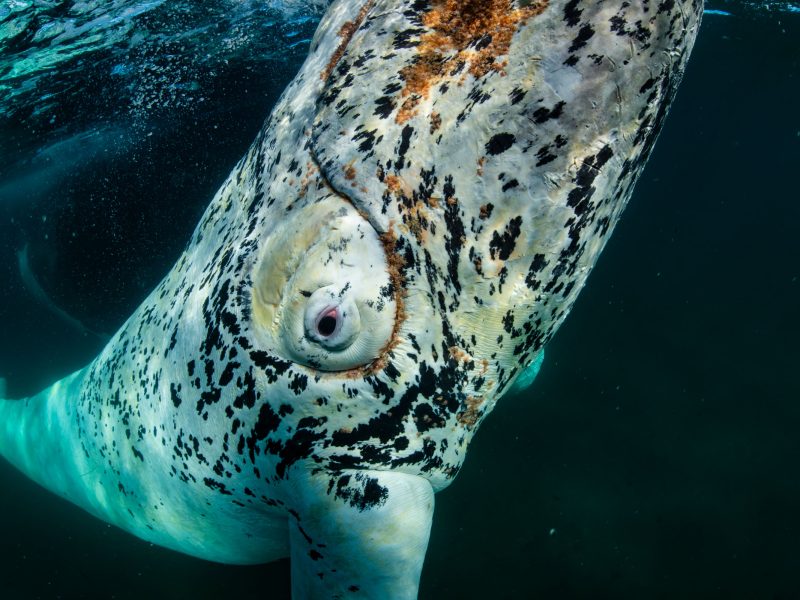
A curious calf with an atypical birthday suit is a good sign for southern right whales.

Geopolitical tensions have Canada looking for new trade partners—with potentially unfortunate side effects for marine life.
On coral reefs, an army of tiny cleaners eat their clients’ parasites, food particles, and dead skin, boosting biodiversity in the process.