Trees as Public Health Infrastructure
New research shows that meeting tree canopy goals could prevent more than 67,000 premature deaths in the United States.


New research shows that meeting tree canopy goals could prevent more than 67,000 premature deaths in the United States.
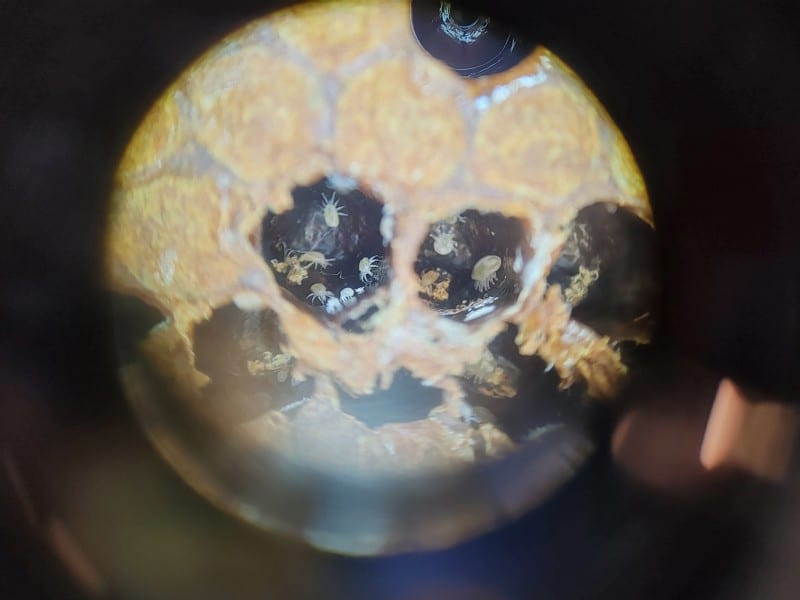
Pollinator pathogens are spreading through international trade, threatening both agriculture and wild ecosystems.
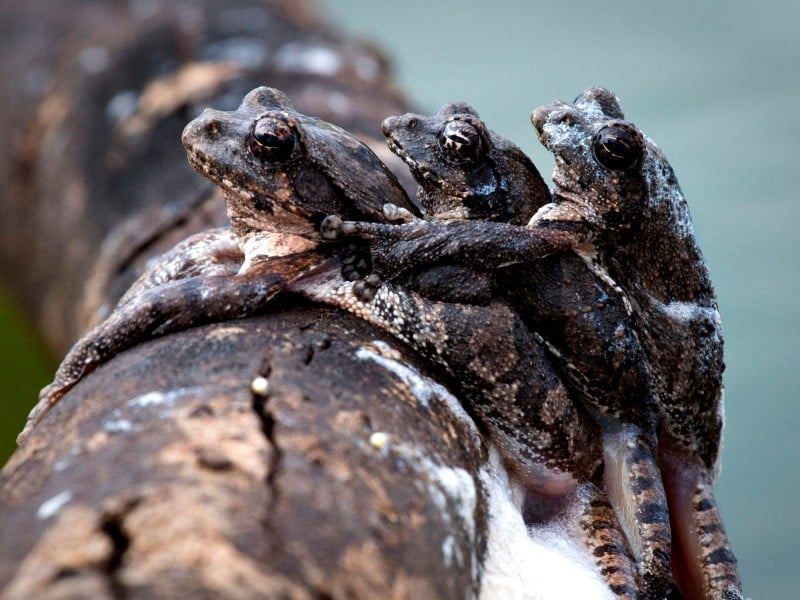
New science on gray foam-nest tree frogs hints at the evolutionary benefits of multiple sexual partners.

For the first time, researchers uncover how eating plastic trash may impact seabirds at the population level.

A new, multistep chemical process can turn bits of organic waste into “carbon-negative” fuel, food, and construction material.
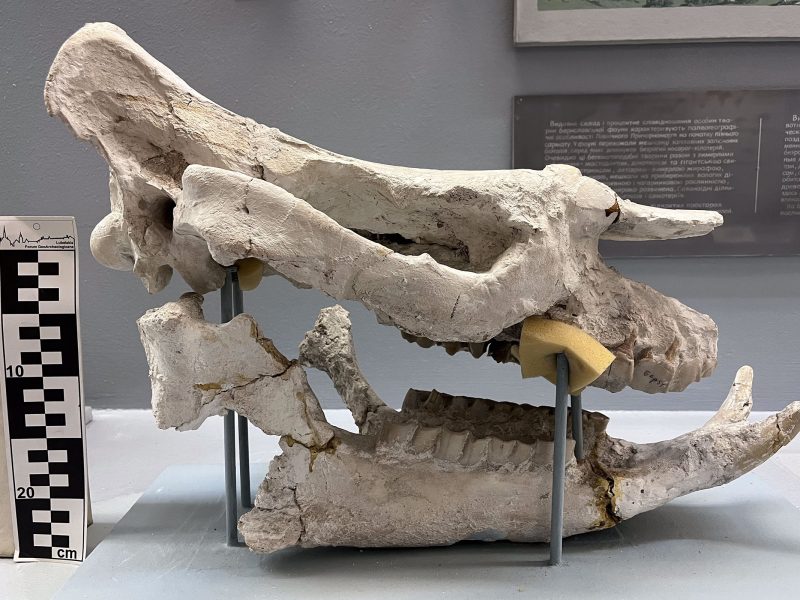
In a country ravaged by war, Ukraine’s conservators are torn between protecting the country’s past and fighting for its future.
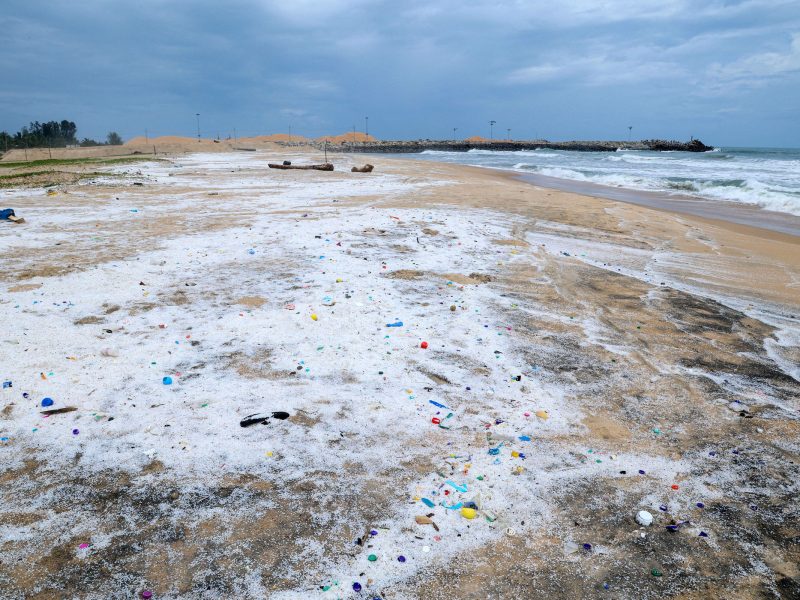
A year after a shipwreck flooded India’s beaches with tiny plastic pieces, scientists fear the environmental damage has just begun.

Ancient DNA, preserved for 700,000 years in ground squirrel poop, offers a new view of Pleistocene ecology.

Geopolitical tensions have Canada looking for new trade partners—with potentially unfortunate side effects for marine life.
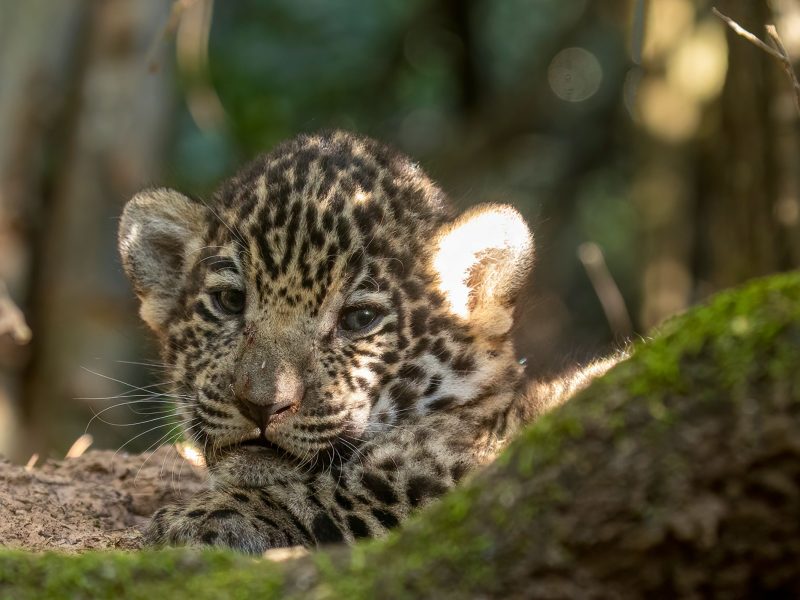
With the birth of a wild cub, a jaguar reintroduction project in the Gran Chaco Forest achieves its biggest milestone to date.