The Big Picture 2022
From the beautiful to the bizarre, this photographic showcase of life on Earth shines a light on some of our planet's most amazing species and places.

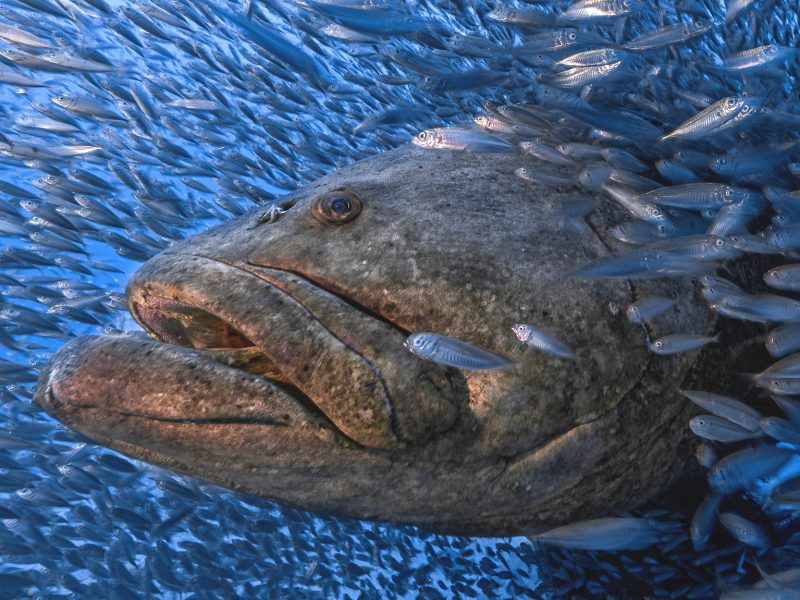
From the beautiful to the bizarre, this photographic showcase of life on Earth shines a light on some of our planet's most amazing species and places.

While this highly adapted fish peers out on its prey- and predator-rich surroundings, shapeshifting, pigmented cells enable it to all but disappear into its environment.
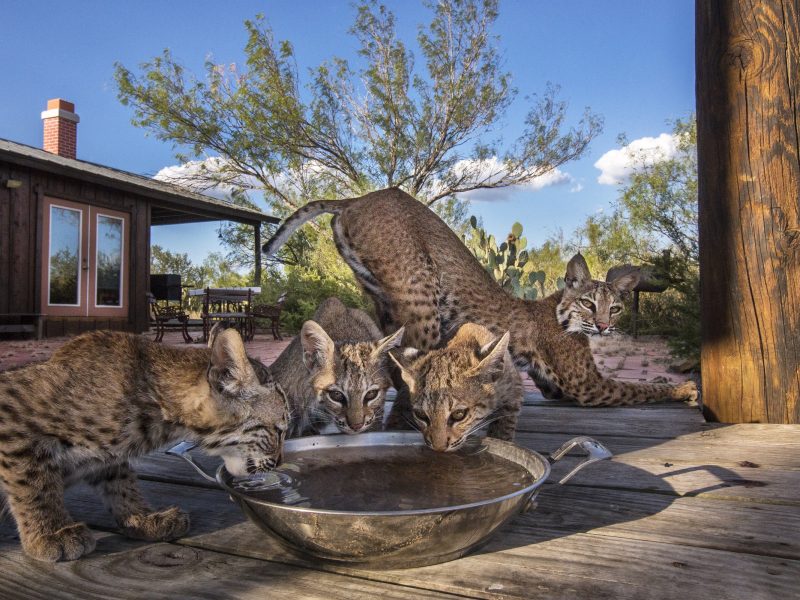
Despite increasing hunting pressure, bobcats have proven themselves to be remarkably resilient in the face of human encroachment—and aren’t above raising their young in rural backyards.

For one of the most heavily persecuted creatures on the planet, protection sometimes requires a very hands-on approach.
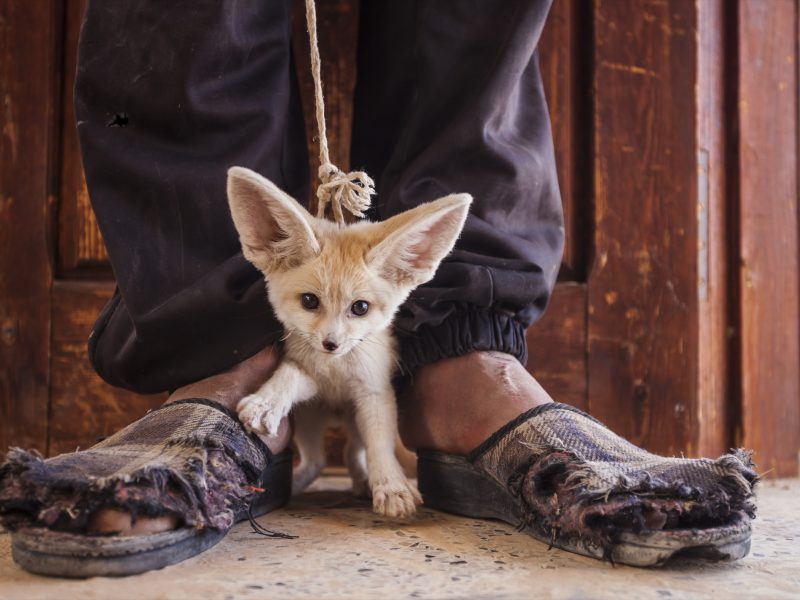
For the residents of the world’s most iconic desert, including tiny fennec foxes, it will take grit and perseverance to weather a challenging suite of threats. Fortunately, those are two traits the desert dwellers have in abundance.

One of the world’s largest birds has long been persecuted for both its outsized bill and its eating habits, but an ambitious cross-border plan is helping this threatened pelican bounce back.
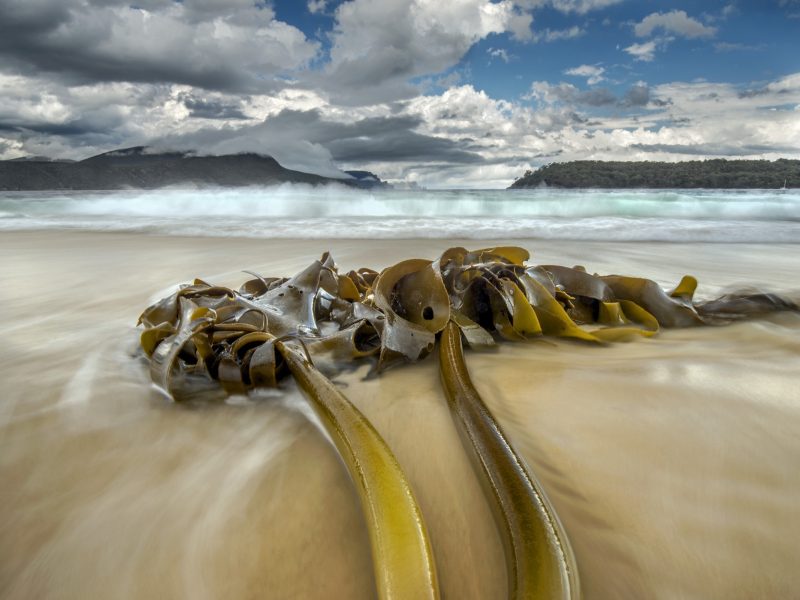
Australia's corals may get all the headlines, but the country's kelp-dominated temperate reefs are at least as important and imperiled. Now they're finally getting the restoration focus they deserve.
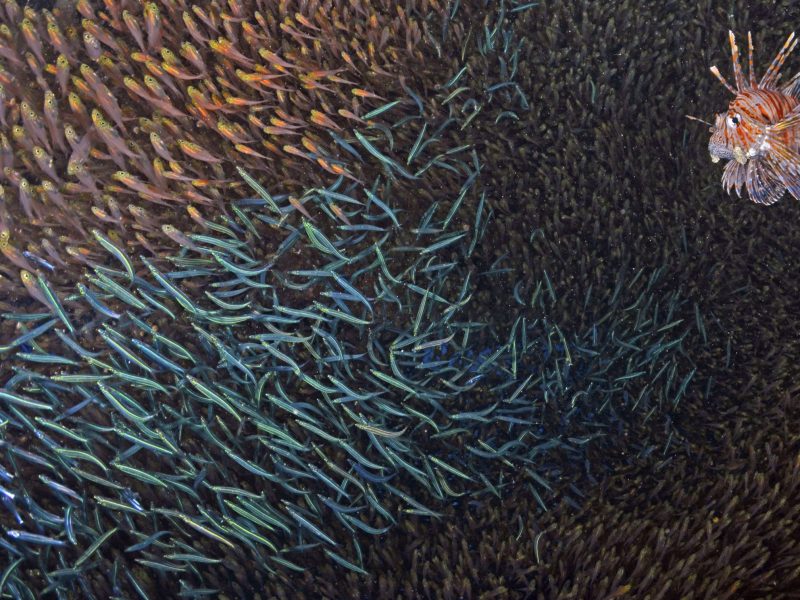
The lionfish that haunt one of the world’s most famous shipwrecks are now laying claim to new battlegrounds.
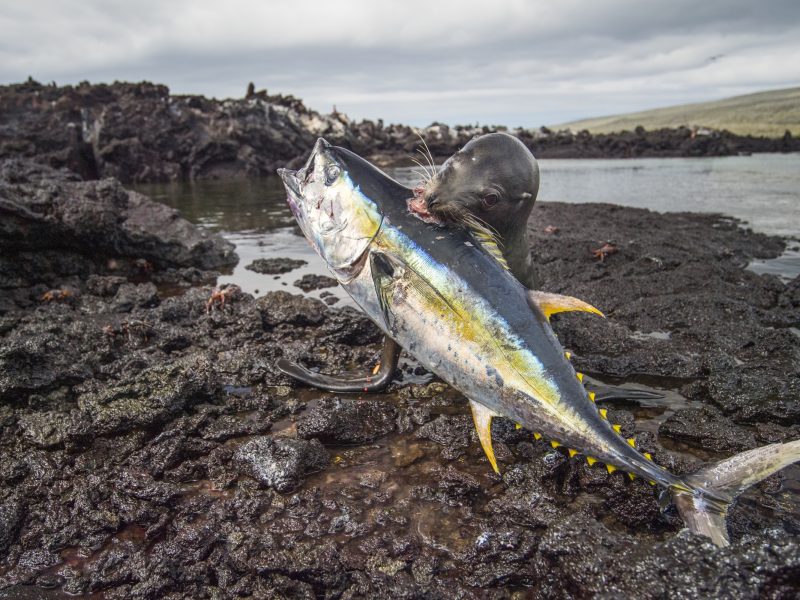
Climate change has forced these Galápagos sea lions to turn to a new food source. Since they can't outswim their prey, they use wits and teamwork instead.
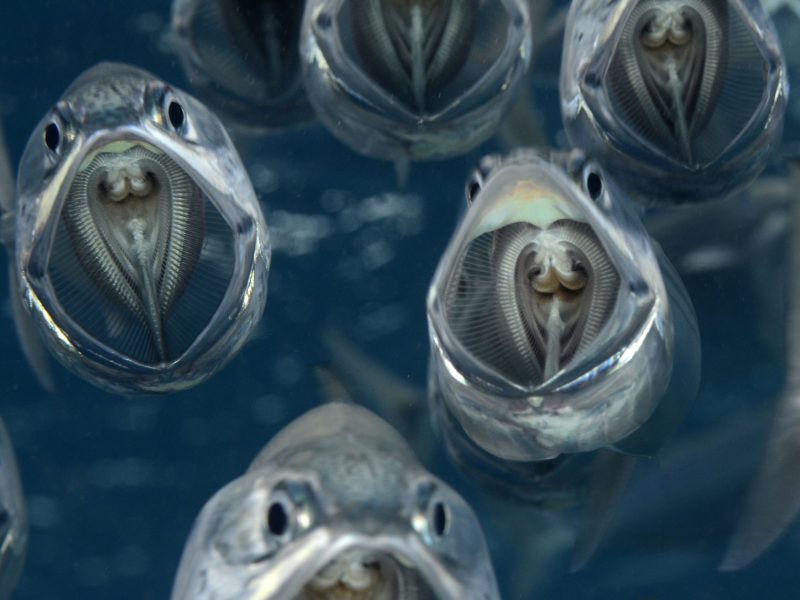
Their prey may be tiny, but these Indian mackerel need both gaping mouths and an assist from their school-mates to successfully snag a meal.

Help us smash our original goal and reach $30,000 by October 2.