
Photograph by Alex Mustard
Story by Stephanie Stone

In the shallow waters off the coast of Indonesia’s Saonek Island, a frill-mouth sole (Brachirus heterolepis) lies in wait on the ocean floor. The ambush predator’s splotchy coloring is a near-perfect match for the surrounding coarse sand and its flattened body barely protrudes from the seabed. Except for the occasional swivel of an eye, it’s motionless. Only when an unsuspecting fish or crustacean passes within striking distance does it erupt from its hiding spot and reveal its true shape.
Like all flatfish in the order Pleuronectiformes, which also includes turbots and flounders, frill-mouth sole owe their impressive camouflage abilities to an array of pigment-filled cells, called chromatophores. By expanding and contracting various cells—each a particular color—the fish can adjust their skin to blend in with their backdrop. But there are limits to this ability. A seminal 1977 study showed that the chromatophores are distributed in permanent arrangements, which means that the fish have a fixed set of available patterns to choose from. When an individual moves into a new habitat and needs to alter its coloration, neural signals direct each chromatophore to expand or contract, producing the pattern from the set that most closely matches its current background.
For some flatfish, like the tropical eyed flounder (Bothus ocellatus), this color change happens stunningly quickly—in as few as two seconds. For others, especially those that live in colder water, it can take several days to complete an adjustment. But at both ends of the spectrum, the fish can respond more quickly to a substrate pattern they have encountered before than they can to a novel environment. That may be one reason why flatfish like the frill-mouth sole tend to return to the same breeding and hunting grounds year after year, making it slightly easier for photographers like Alex Mustard to find and document these masters of disguise.

Saonek Island, Indonesia
Hi, I’m Dave, the executive director of bioGraphic. (And that’s my dog, Finn.) Thanks for taking the time to read this story.
Stories like this simply don’t get produced without financial support from readers like you. bioGraphic is an independent non-profit—we’re not backed by a private company or owned by a billionaire. One-quarter of our budget comes directly from reader donations.
bioGraphic publishes environmental reporting that you can’t find anywhere else: deeply researched, trustworthy stories that are also beautiful and captivating to read. Right now, we need your help to raise $30,000 by October 2. Every dollar will go directly to more crucial reporting projects.
Around the world, governments are slashing funding for conservation and scientific research, placing even more ecosystems and wildlife at risk. At bioGraphic, we’re steadfastly shining a light on the threats to our planet’s incredible biodiversity. And we’re showcasing the hard work of people bravely taking action to protect at-risk species.
bioGraphic offers an antidote to apathy and doom-and-gloom news by revealing the wonders of the natural world and focusing on real solutions to big problems. When you finish a bioGraphic story, we want to leave you feeling informed, delighted, and inspired.
We don’t run ads or hide our stories behind a paywall. The readers who generously support bioGraphic allow our work to remain free for everyone.
We reached our goal, but there’s time left. Will you help us smash our original goal and reach a new goal of $30,000 by October 2?

Related Articles
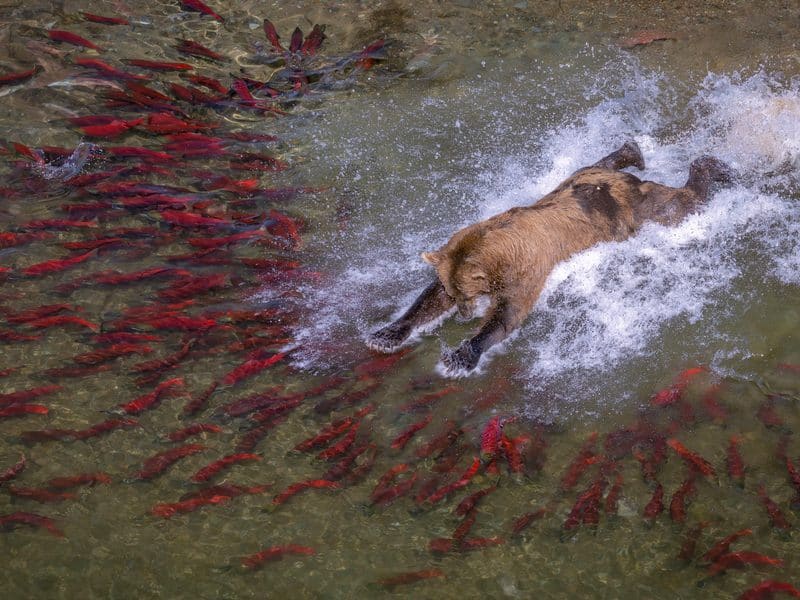
The Art of the Catch
To bulk up for winter hibernation, Alaska’s brown bears employ a range of techniques for snaring salmon.
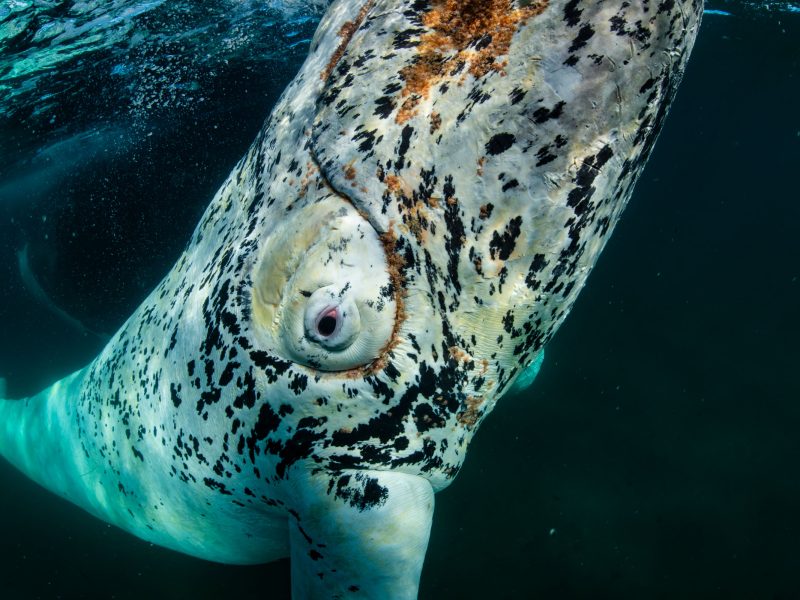
The Wonder of a Pale Whale
A curious calf with an atypical birthday suit is a good sign for southern right whales.
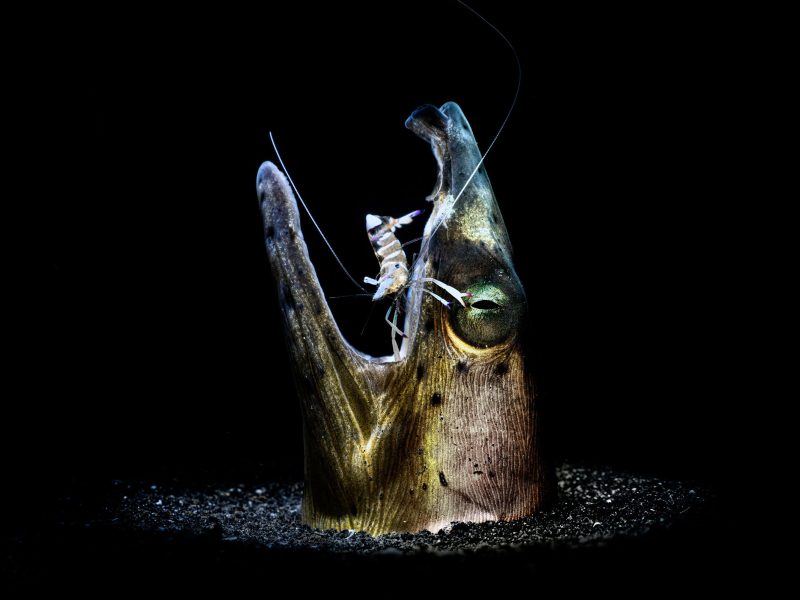
Saying “Ah!” at the Shrimp Spa
On coral reefs, an army of tiny cleaners eat their clients’ parasites, food particles, and dead skin, boosting biodiversity in the process.
