
A threadlike rain has started falling sideways. Jennifer DeBruyn slows down to consider whether to drive us off the pavement and onto parallel tracks of matted grass leading up a steep, slick hill. I can’t see the top, but there’s a faint fog moving through. “It’s going to be sloppy,” she says over the slap-slap-slap of the windshield wipers. She eases off the asphalt and gooses the engine. “Yeah, that’s a little greasy,” she says. The weather is no deterrent; she’s resolutely cheerful about the adventure. “We’re going to try it.” And up the hill we go, on our mission to find a grove of trees, a pair of ambitious paleoecologists, and three dozen dead, soggy lizards.
We’ve been driving on narrow roads through farmlands and fields in Knoxville, Tenn., that host a wide variety of agricultural and plant experiments. Soon after crossing the Tennessee River, DeBruyn pointed out a sprawling patchwork of green where University of Tennessee researchers have been developing grass that will be used in the 2026 FIFA World Cup games. But our destination is elsewhere.
DeBruyn, a microbial ecologist, has light brown hair pulled back in a ponytail. She wears a blue rain jacket, blue jeans, and sturdy black boots. (On her advice, I am also wearing a rain jacket and sturdy boots.) After we park at the level top of the hill, we raise our hoods, open our umbrellas, and walk past two other mud-splashed cars into a grove of tall conifers, which is where we find Stephanie Drumheller-Horton, a cheerful paleoecologist, dressed all in black, who studies how long-dead things become fossils. She’s currently studying reptile decomposition.
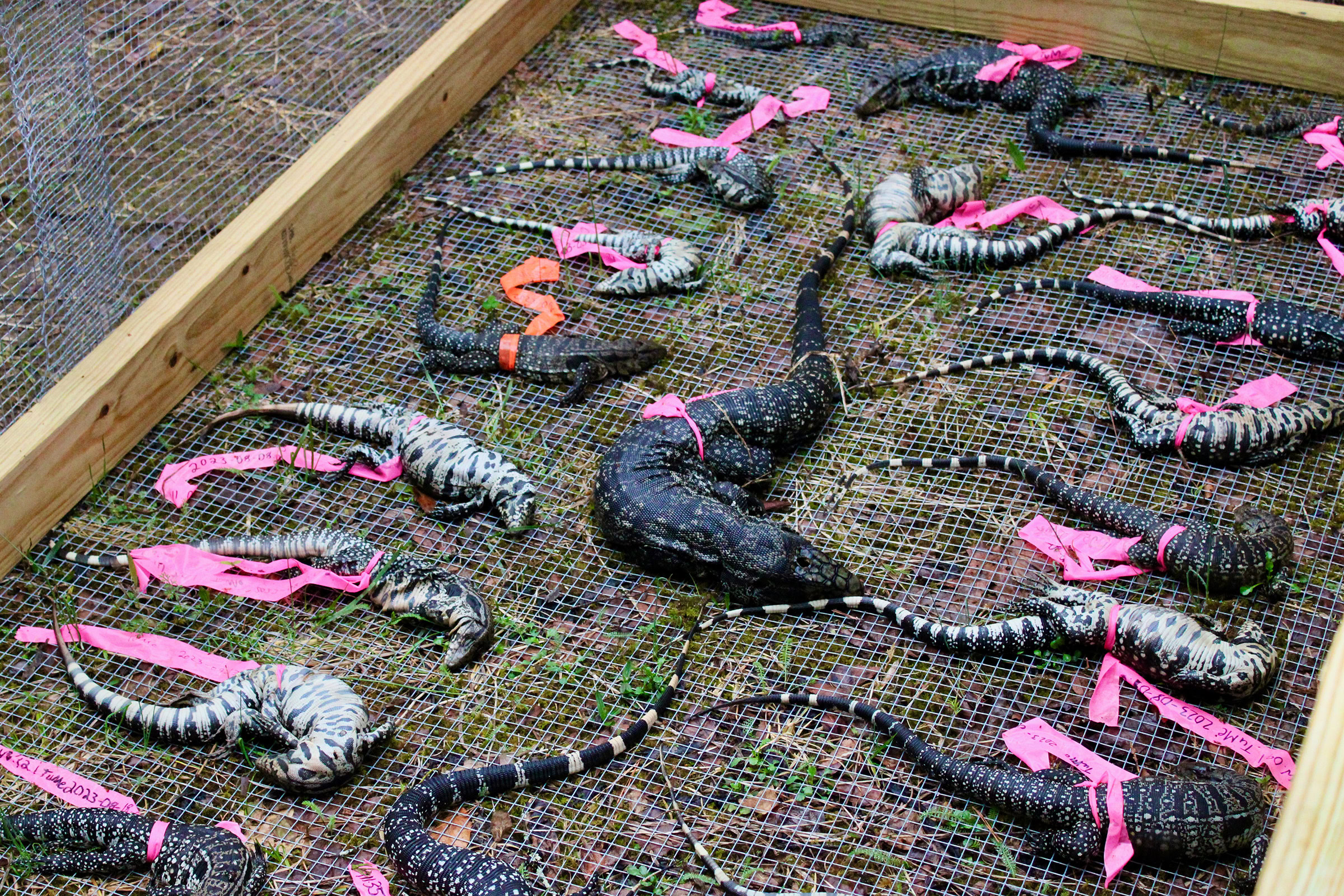
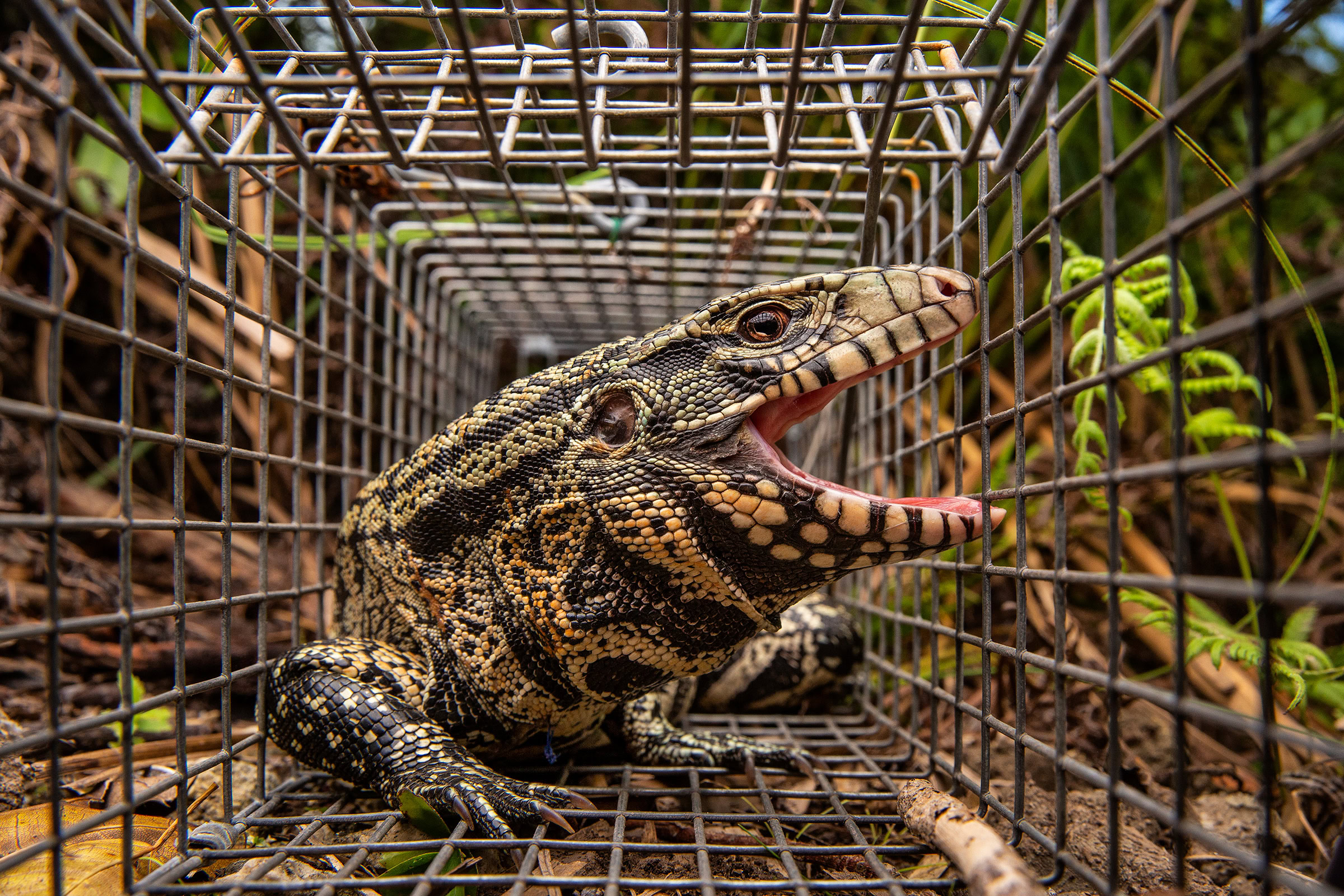
Drumheller-Horton and her graduate student, Hannah Maddox, stand near a sturdy frame made of two-by-fours, about ten feet long and three feet wide and covered on all sides, as well as top and bottom, by chicken wire. Another, identical box sits nearby. Inside each box lie 30 dead tegu lizards, averaging about a foot long. One box contains lizards that have been decaying for a couple of weeks, while the other holds lizards that have been here for nearly a year. Tegus are an invasive species. “They’re great pets. They’re not great when they escape out into the wild and start breeding,” says Drumheller-Horton. These particular tegus had been killed and frozen by United States Geological Survey officials in the Everglades, in southern Florida. Maddox, as the graduate student on the project, had been tasked with driving 13 hours each way to retrieve them.
The chicken-wire-wrapped frame, Drumheller-Horton tells me, thwarts mammals like coyotes and possums that would happily abscond with the decaying tegu corpses. We catch a faint whiff of skunk behind the rain; the wire keeps skunks out, too. “But if a bear wanders in over here, then it’s all over,” she says.
Drumheller-Horton concocted this experiment because she wants to connect dots between reptilian decomposition and the creation of fossils. She brought in DeBruyn to study the microbial systems that activate to break down the bodies of these reptiles.
Tucking her umbrella aside, DeBruyn leans precipitously over the enclosure, careful not to disturb the site. As these lizards decompose over the next year or two, DeBruyn will use tiny syringes, swabs, and miniature scrapers to collect samples from the degrading skin and the soil beneath the bodies. She wants to compare the microbial communities she finds on the reptile carcasses to her previous research examining the decomposition timelines of decaying mammals.
In her research, decomposition is a starting point, not an end. “It’s just this crazy pop-up ecosystem,” she tells me. “There are insects, there’s fungi, there’s microbes, and they’re all being super-active and scrambling to use these resources. And then in a few weeks or months, the whole body’s gone, and it’s just this microbial pool.” The invertebrate decomposers that came to the feast often stick around. Bacteria flourish, digesting nitrogen and carbon molecules released by the corpse and making them available to be used as nutrients for new plants. Germs that once lived in an animal’s gut now mingle with those in the soil, giving rise to diverse communities. What’s left behind, DeBruyn says, can dramatically reshape an ecosystem for months, years, and beyond.
Day 2. Photograph courtesy of Hannah Maddox / Univ. of Tenn., Knoxville
This isn’t where DeBruyn thought she’d end up. When she started as a faculty member at the University of Tennessee in 2010, DeBruyn focused primarily on understanding microbes within and without decaying human bodies. She conducted research at the university’s Anthropology Research Facility, or ARF, locally known as the Body Farm. There, on a rugged hillside covering two-and-a-half acres, behind an unmarked fence in a deciduous forest, the bodies of dozens of donors reside in various stages of decomposition. It’s a research center where forensic anthropologists study human remains, and the FBI and law enforcement train to examine decomposing bodies and determine cause and time of death by observing the succession of insect scavengers or the degradation of different tissues. A few weeks before I visited, researchers working at the ARF had used PVC pipe and blue tarps to build a simulated cockpit of a Blackhawk helicopter, and they’d placed frozen, donated bodies in the seats. Soldiers from a nearby Army base had then come to learn techniques for removing victims from a helicopter crash.
Over time, DeBruyn became increasingly interested in the general picture of the ecological microbiology of vertebrate decomposition. The falling-apart of a large, messy organism—a tree, a mouse, a person, a tegu—is one step in a complex, planetary nutrient recycling system that repeats over time and space. Studies of these processes often focus on how elements like nitrogen, the most abundant element in the atmosphere, and carbon, found in all living things, move through the environment. “Most of what we understand about decomposition is based on plant litter,” she says. “And that’s fine. There are a lot of plants out there. But when we get into it, very little attention is paid to dead animals.”
We only know the broad outline of how microbes work in animal decomposition: namely that fungi and bacteria and nematodes and archaea help take dead things apart, process the pieces, and make them available to other living things. DeBruyn wants to better understand how these players form the ecological systems that makes decomposition possible.
A few years ago, she worked on a project funded by the Defense Advanced Research Projects Agency (DARPA) that aimed to determine whether it’s possible to detect decomposing human bodies by documenting how plant characteristics and communities change in an area with human remains. (She tells me that one scientist likened it to “plants talking to us about dead people.”) The idea could be useful for, say, locating missing suspected dead persons, or in war zones. DeBruyn notes that an average-sized person contains about 5.7 pounds of nitrogen; as a human corpse decomposes, that nutrient spreads out over a “cadaver decomposition island” at about 50 times more than the amount of nitrogen fertilizer recommended for temperate shrubs and trees. The DARPA team hypothesized that the nitrogen pulse could jumpstart a greening effect, since nitrogen is linked to increased chlorophyll production, or spur production of certain plants. However, because of variations in human body decomposition and plant responses, the researchers couldn’t find definitive patterns that could flag missing persons.
That project led her to a bigger, broader question: What do we know about decomposition of vertebrates in general, from the point of view of the microbes that do most of the work of reducing a complicated body down to its constituent elements? It wasn’t much, she found out. She found a handful of studies looking at how decomposition affected soil biochemistry, and how microbial populations change as bodies decay. But she found little research on how microbes in soil and decaying bodies interact.
Day 11. Photograph courtesy of Hannah Maddox / Univ. of Tenn., Knoxville
The scientific study of decomposition has roots in forensic science, and observing the living things that flock to death. This goes back hundreds of years: In the 13th century, a regional official in China named Sung Tz’u wrote The Washing Away of Wrongs, a how-to manual for investigating deaths and identifying signs of wrongdoing. In one story, an official investigated the death of a man killed by 10 wounds inflicted by a sickle. He ordered nearby neighbors to lay down their sickles in a line; anyone who refused would be presumed guilty. Out of the 70 to 80 sickles presented, flies flocked to one blade, revealing which one had recently spilled blood—and flagging its owner, who after some persuasion confessed to the murder.
By the end of the 19th century, scientists had begun to more closely observe how living things—invertebrates in particular, mainly insects—not only reveal but also facilitate the stages of decomposition. La Faune des Cadavres, an 1894 book by French veterinarian and entomologist Jean Pierre Mégnin, described eight stages of decay that begin with “fresh” and end with “debris.” In 1896 and 1897, Murray Galt Motter, a physician in Washington, D.C., spent two hot and humid summers painstakingly recording the procession of snails, arthropods, and other insects he found on 150 exhumed bodies. He aligned that invertebrate parade with the previously reported eight stages.
In the 1960s, Clemson University entomologist Jerry Payne wanted to know more about these decomposers. He began by charting the flies, maggots, and beetles found on a variety of decomposing animals—frogs, toads, white-footed mice, house mice, short-tailed shrews, and other smaller critters. But those small creatures decayed too quickly for him to reach any solid conclusions. He tried studying animals collected locally as roadkill, but the uncertainty around time of death—and the lack of intact specimens—stymied his attempts to make precise conclusions.
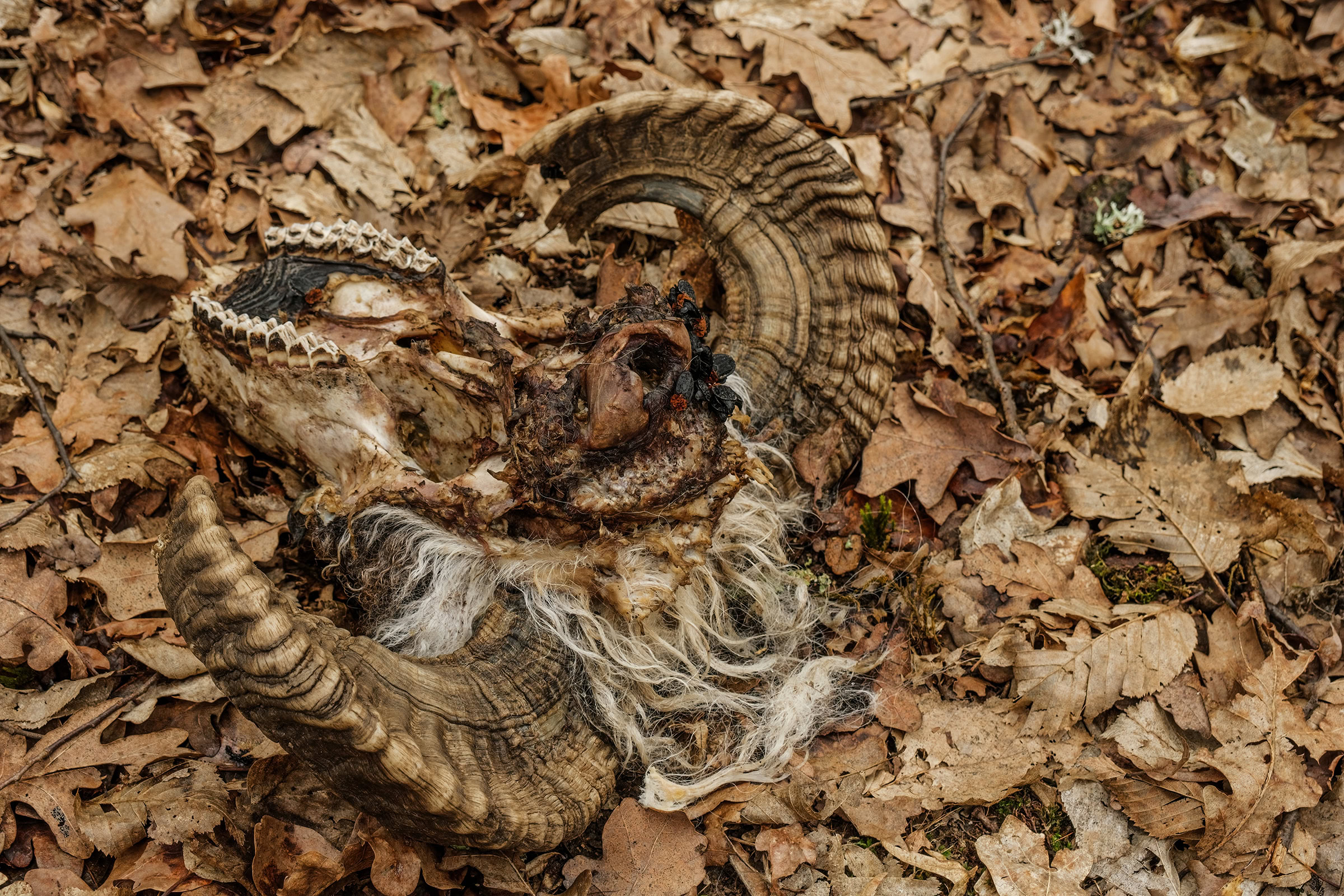
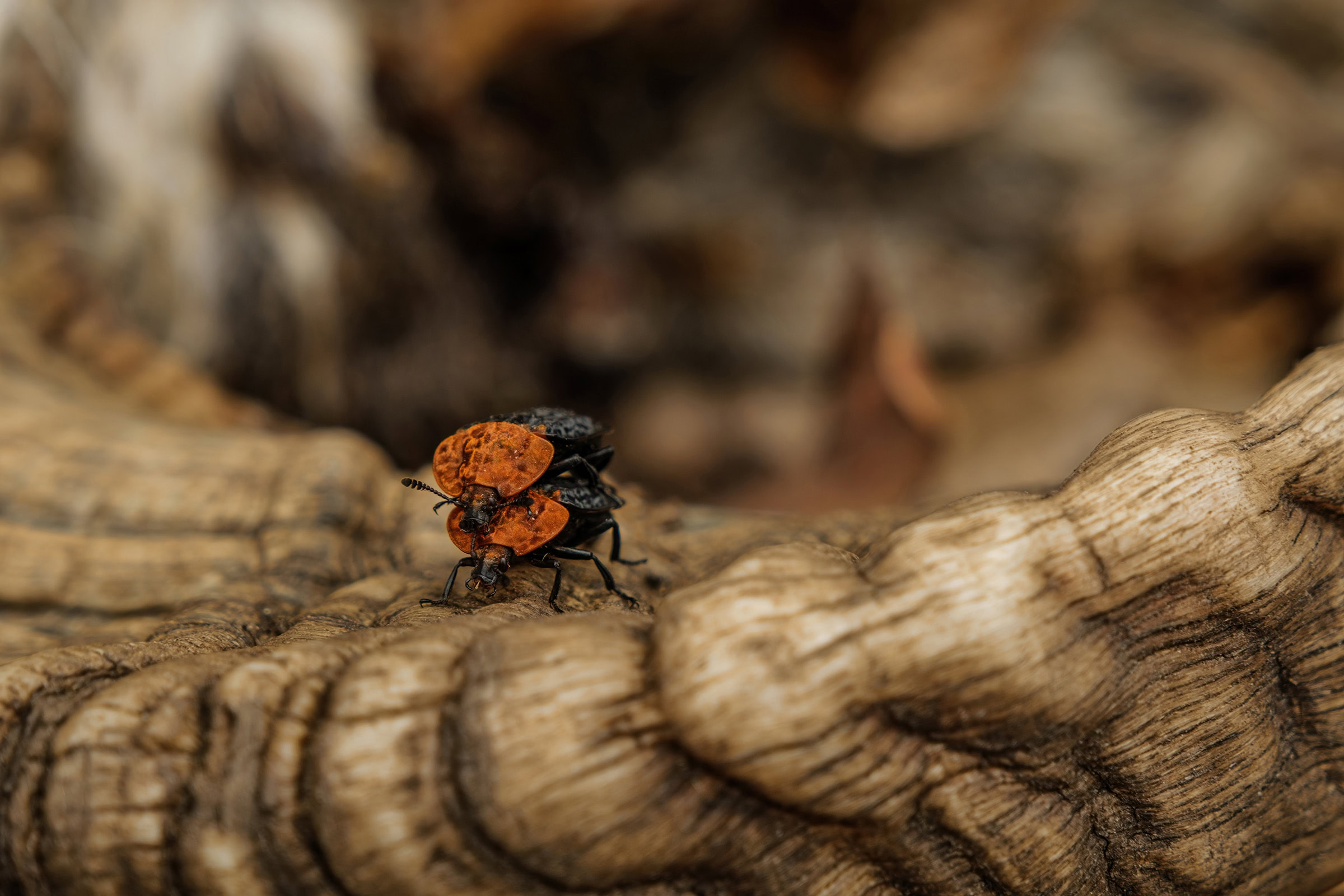
He finally landed on piglets that had died of disease or been crushed by their mothers at birth, provided by nearby farmers. At first, he laid them out in the open, but a bestiary of scavenger dogs, cat, opossums, and birds disturbed the experiment. Then he constructed small cages, left the carcasses to rot inside, and over the span of a few weeks collected astonishing time-lapse videos revealing the critical role insects played in the piglets’ decay. A spinning clock, mounted behind the decomposing pig, showed the elapsed time as flies invaded, the belly inflated, and maggots broke through and clustered in the interior. In the video, the maggots almost looked like swarming bees.
Payne diligently weighed the pigs throughout the process—before his work, no one had ever charted how a vertebrate’s mass changed as it decomposed. He also conducted a separate experiment in which decaying piglets were protected from flies and other insects, and found that the process was so prolonged, and so different, that it merited its own set of stages, distinct from those associated with insects. (Flies bring not only maggots but also their own microbiomes, both of which rapidly accelerate the rate of decay.) Payne observed that a dead animal in a natural setting—a field, a forest—looks almost alive as it decays, because it becomes such a hub of activity. Flies swarm the surface, feasting and laying eggs that, in turn, become maggots that invade and fill the cavities and emerge again as newly hatched flies.
Butterflies visit, too. “It’s quite attractive to see an Eastern Tiger Swallowtail sitting on a decomposing pig,” said Payne—who died earlier this year—in a 2009 film interview with Folkstreams, a nonprofit project that produces short documentaries about American culture.
Day 27. Photograph courtesy of Hannah Maddox / Univ. of Tenn., Knoxville
It wasn’t until the 21st century that scientists began to consider the role of smaller microbes doing the invisible work of decomposition. When DeBruyn started as a faculty member in Knoxville in 2010, she visited the Body Farm at the invitation of a fellow researcher. The day she arrived was hot, she recalls, and stinky. Human corpses weren’t the only things inhabiting the hillside. “There were also snakes everywhere.”
What struck her that day—and has continued to drive her research ever since—was the fact that there among the decay, life was not just thriving but exploding. The act of decomposition isn’t a predictable undoing, running the film in reverse. It’s not just a matter of un-accumulating all the stuff that built an organism. It’s a messy, creative, and ultimately rejuvenating process. It’s also not passive: Things don’t just fall apart on their own. They’re acted upon by outside agents—natural forces of wind and water, say, or raccoons or vultures, or insects or mycorrhizal fungi, proteobacteria, and other microbial taxa. Decomposers act across all scales of space.
During that initial visit to the Body Farm, one of DeBruyn’s hosts issued a challenge. “He said, ‘We’ve anecdotally noted that the bodies here are not decomposing as fast as they used to, and not in the same way, over the many years of using this facility,’” she recalls. “‘You’re a microbiologist. What’s going on with that? Can you help us out?’”
After examining the microbial community in the soil at the Body Farm, DeBruyn concluded that the problem lay in the sheer number of corpses at the site. Over time, repeated nitrogen pulses from those carcasses were depleting the organic matter in the soil, slowing down decomposition there. “The soils, once they become saturated with this decomposition fluid, will go hypoxic or even anoxic”—which means they’ve run out of oxygen, and aerobic bacteria can’t thrive. “We see this big drop in soil oxygen.”
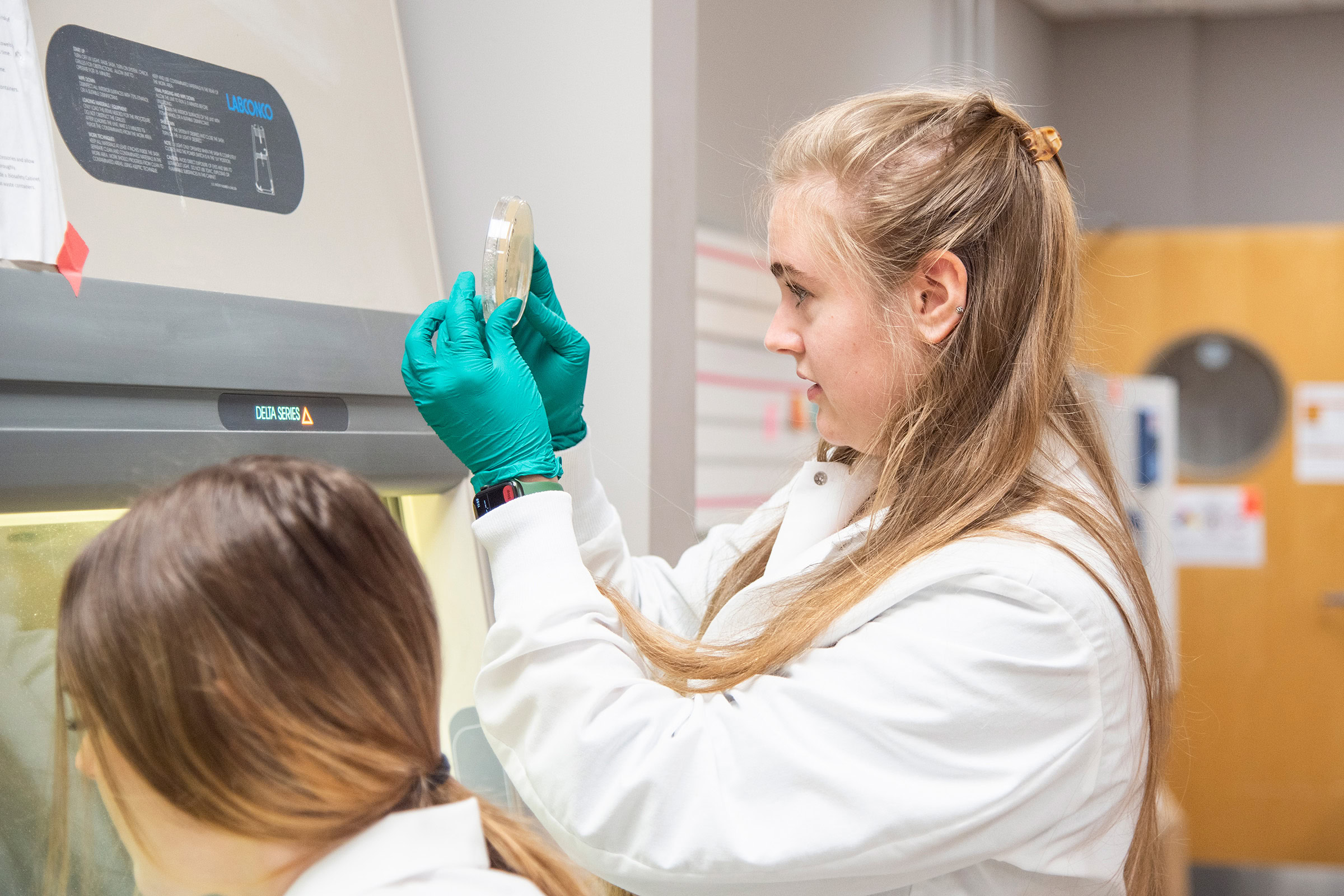
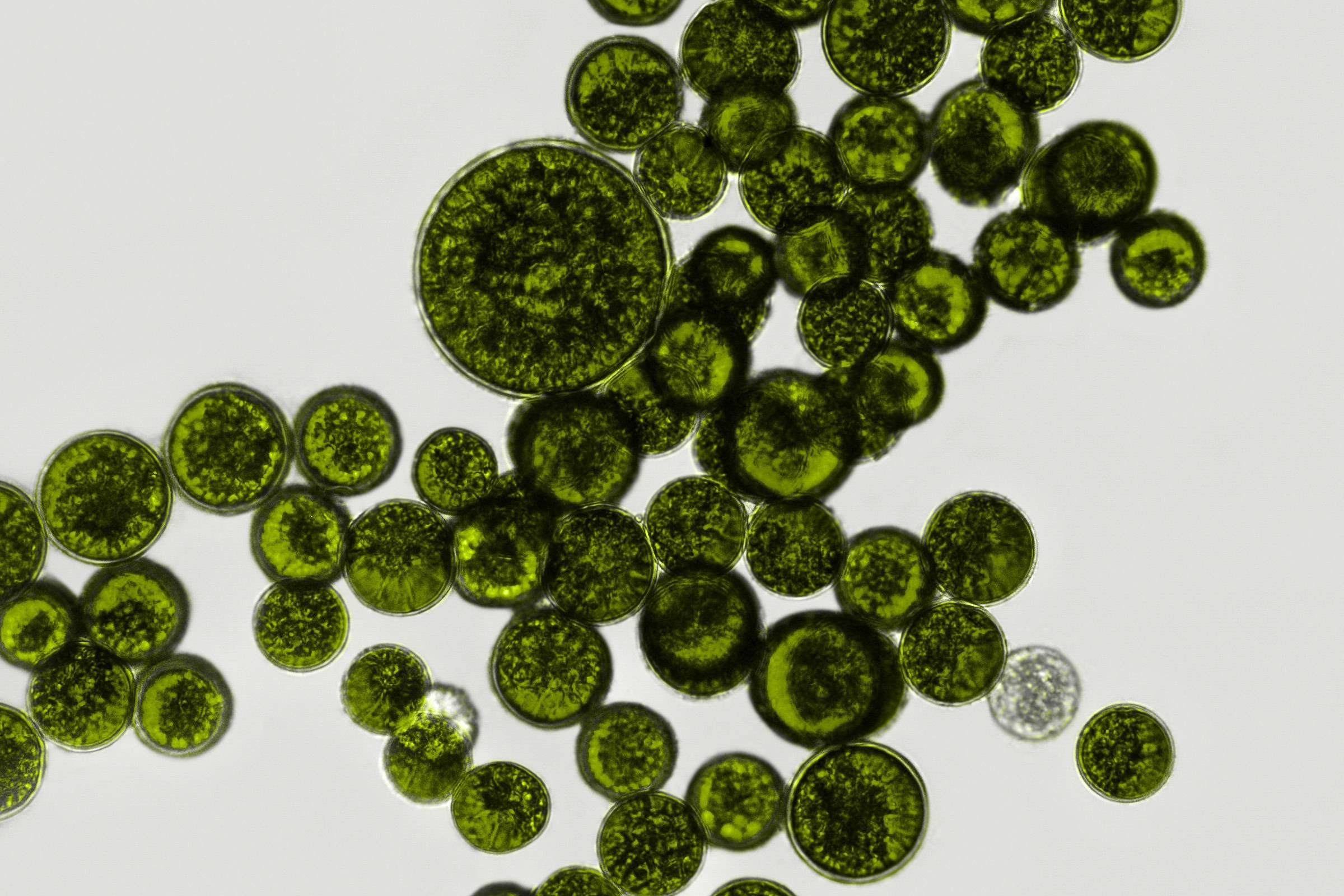
In the years since, she and her colleagues have worked to fill in the gaps, studying the microbial orchestras and movements that collaborate to decompose lab mice, pigs, beavers, rabbits, human cadavers—and, starting in the spring of 2024, Drumheller-Horton’s lizards. Over the years, she’s charted staggering variation in microbial activity and helped elucidate the molecular pathways by which the fundamental products of decay—isotopes of carbon and nitrogen and other elements—flow through an ecosystem.
The microbial networks and pathways that digest, metabolize, process, and shuttle nutrients through nature have long remained a kind of ecological “black box,” as researchers noted in a Nature Microbiology paper from the lab of Colorado State University microbiologist Jessica Metcalf, published this past February. A better understanding of those processes, DeBruyn says, could illuminate all sorts of unanswered questions about nutrient cycling in local environments. It could help fill in the gaps in our understanding of food webs. It could also help detectives and forensic anthropologists better identify how and when people died, in the service of recognizing and solving crimes. Finally, it could also improve predictive models of how ecosystems will respond to the changing weather patterns induced by climate change.
“Decomposition is one of the most important processes on the globe,” says University of Tennessee microbiologist Zachary Burcham. “It is impacted by temperature fluctuations and changes in the environment,” he says. As average temperatures climb, “how are those microbial communities going to evolve and shift to maintain the productivity of the ecosystem?”
Microbes are among the most numerous and least understood organisms on the planet. A 2016 study in the journal PNAS estimates that Earth hosts as many as one trillion species of microbes; of those, we’ve only identified a mere 0.01 percent. These organisms live in the soil, the water, and the body. Some thrive in oxygen-rich environments; others can live without oxygen, deep in the soil or at the bottom of the ocean. An average, healthy person carries tens of trillions of microorganisms in their gut, which, added together, weigh slightly less than half a pound. The most conservative estimates suggest that a person has about the same number of microbial cells in their guts as they do cells that constitute their brains, blood, tissues, skin, and bones.
Many studies have explored—and continue to explore—how microbes affect us when we’re alive. But scientists have come to recognize that what is sometimes termed the necrobiome—the collection of microbes, metabolic processes, and energy pathways involved in death and decomposition—is crucial to completing the picture. Necrobiome studies reveal how food webs come together and elucidate how nutrients move through an ecosystem. The study of decomposition also contributes to the larger scientific picture of how microbes thrive, compete, and cooperate in extreme settings, and how different organisms decay and affect their surrounding ecosystems.
Take the cycling of nitrogen, for example. “Just consider how much nitrogen is in our bodies,” says DeBruyn. In soil, nitrogen affects how well plants grow, which is why it’s one of the main ingredients in fertilizer. But nitrogen only makes up about five percent—if that—of a grown plant by weight. Animals, by contrast, contain much larger concentrations of nitrogen in their bodies as a percentage of their total mass—and when they decompose, that nitrogen disperses more quickly, likely utilizing additional pathways. “If you take something like an average-sized pig, it has about the same amount of nitrogen as a giant mature oak tree,” DeBruyn says. The giant tree requires years to recycle that nitrogen after it dies. The pig? “All that nitrogen is dumped in a matter of months.”
Scientists call these and other dumps of nutrients pulse events or hotspots. Those events cause changes to the soil chemistry that, in turn, are associated with a succession of microbes. Research by DeBruyn and others shows that different microbial species become active at varying stages, both inside the carcass and in the surrounding soil. Her reference to a pig came from recent experience: In one 2021 study, DeBruyn worked with anthropologist Dawnie Steadman, who leads the Body Farm, to compare soil microbes in decomposing humans and the carcasses of pigs. By the second week of the study, the metabolites—the products of metabolism used to reveal specific groups of bacteria at work—varied significantly between the two test groups.
“Decomposition is one of the most important processes on the globe.”
— Zachary Burcham, University of Tennessee
Gathering clear signals about which microbes are doing what, and when, is laborious, and findings can seem contradictory. Over the last 20 years, for example, some studies have reported that decomposition increases soil acidity. Others found a decrease in soil acidity, and still others found no change. This matters because the pH of soil can influence which bacterial decomposers will show up. (In the 2021 pig study, DeBruyn and Steadman concluded that, during summer, decomposing pigs made the soil more alkaline, while decomposing humans made it more acidic. In winter, however, there was little change in pH for pigs and humans.)
Other researchers have also begun to study the role of different soil microbes in decomposition. Metcalf, the Colorado State University microbiologist, has spent over a decade conducting studies on decomposing mice, humans, and other vertebrates to identify microbial decomposer communities. In 2014, she and her collaborators sequenced the genomes of microorganisms from decaying mice and the soil beneath, and found that soil microbes can accelerate the process—which means that the ground on which an animal decomposes can influence how quickly it decays.
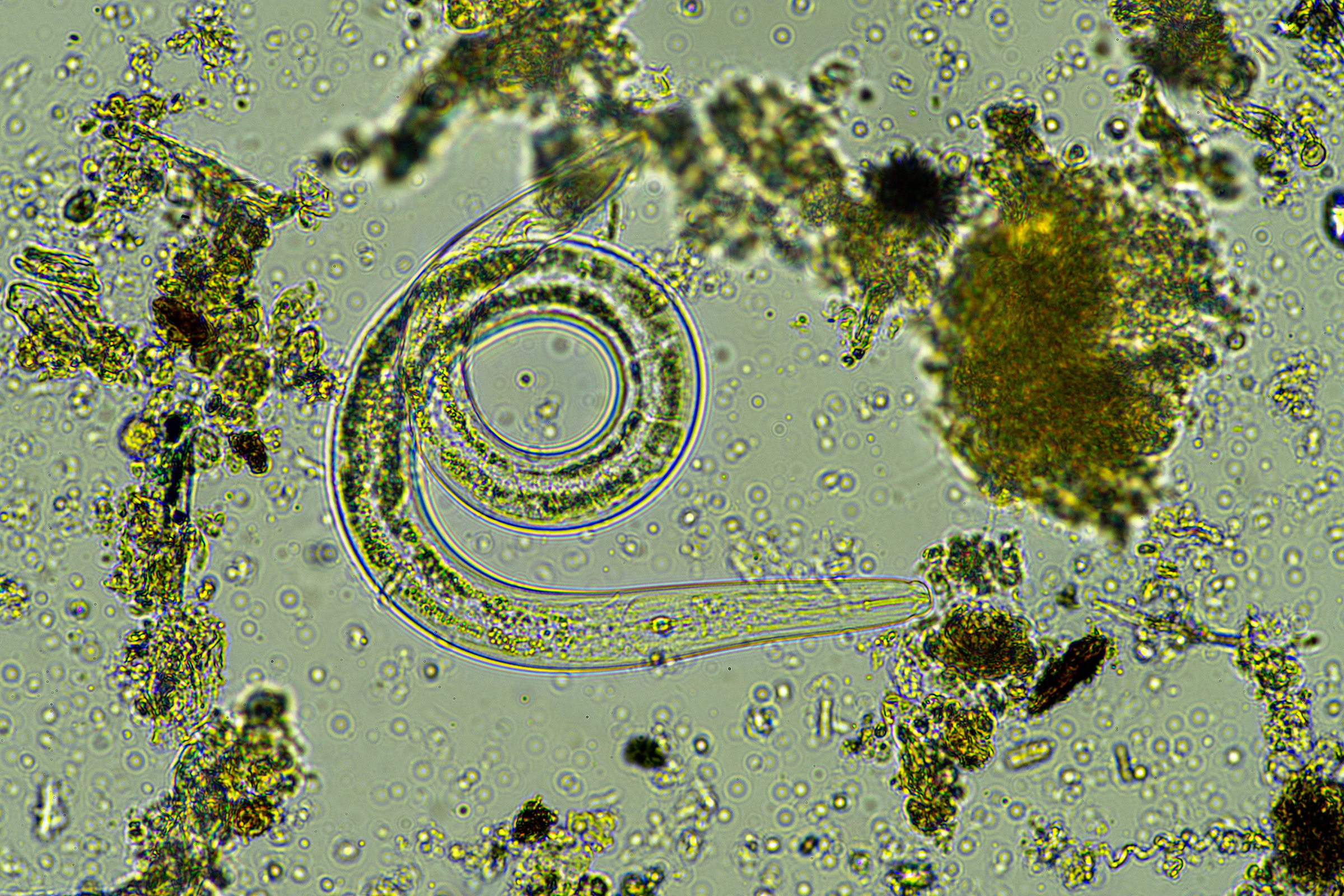
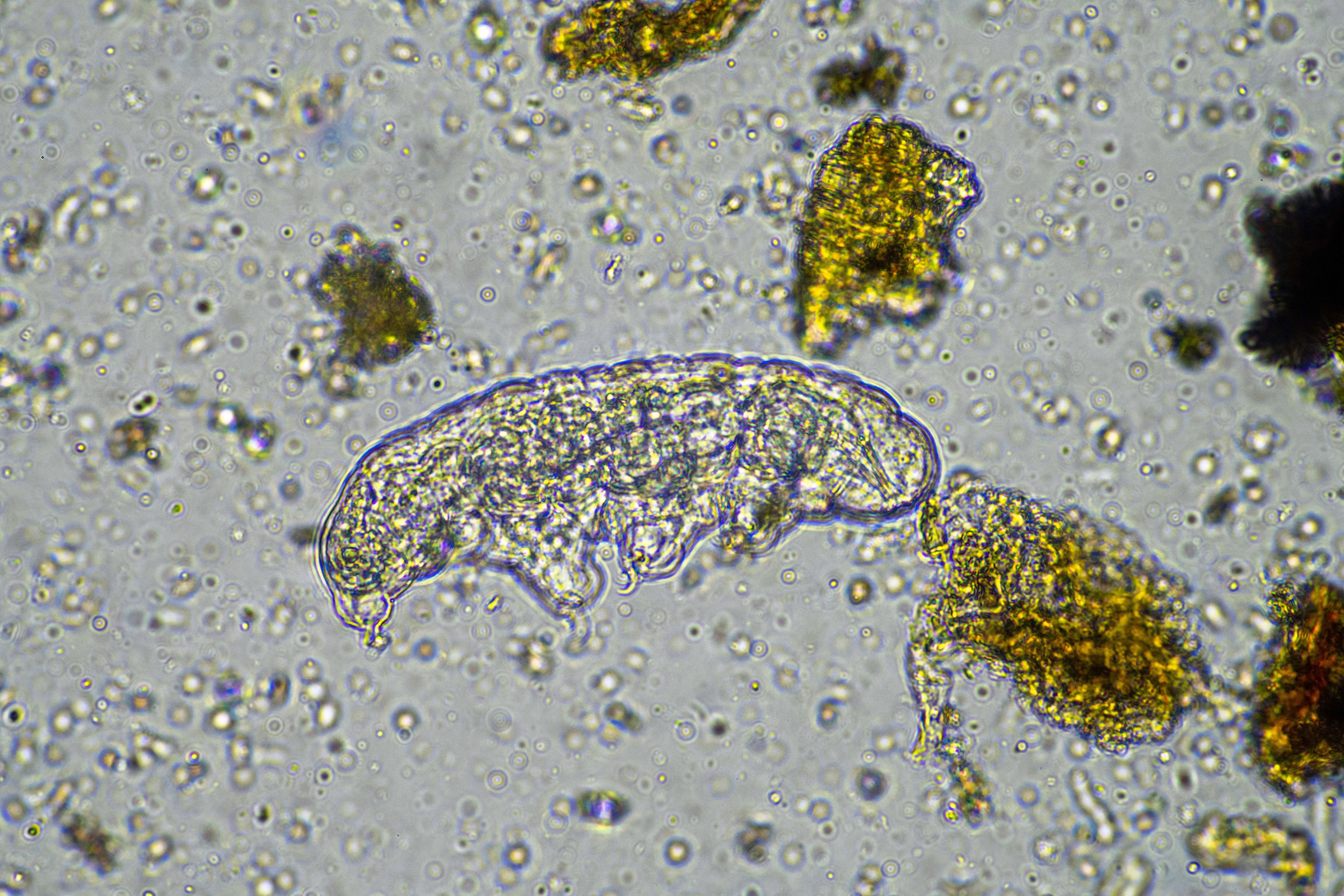
Metcalf was also senior author on a February Nature Microbiology study, which was led by Burcham, from University of Tennessee. For that research, which was funded in part by the National Institute of Justice, the team sequenced genomes of microbes collected over two years from 36 decomposing bodies at three different forensic anthropology body-farm facilities, representing diverse climates. They included the one in Knoxville; one in Huntsville, Texas; and one in Grand Junction, Colorado, which has an arid, high-altitude environment. Once the research team had those microbes’ genetic signatures in hand, they scoured vast databases of other microbes, like the Earth Microbiome Project, for matching DNA sequences, to see whether these microorganisms might be active in other environments as well.
The team found few identical microbes, however—which was in itself an interesting discovery. “We couldn’t find matches for a good number of them,” says Burcham. “That was kind of a surprising result.” That lack of matches suggests that some microbial decomposers only reveal themselves when there’s decaying flesh; some may even be decomposer specialists. The team’s work also identified a “universal network” of microbial decomposers that showed up across all three body-farm sites, seeming able to home in on decaying flesh, no matter where it lay.
Burcham now works on leveraging what he’s found about the microbiology of decomposition for climate solutions. Many of the microbes that participate in decomposition also show up in bioreactors and biofuel production, he says. For example, researchers have found that a bacterial decomposer called Thiopseudomonas alkaliphila can digest wheat husks in a bioreactor and potentially liberate the methane within as an energy source. In a genomic analysis of the bacterium published this past June, Burcham identified key metabolic pathways that may contribute to those decomposition mechanisms. He hopes to use those insights—as well as research on other decomposers—to improve future biofuels and bioreactors.
Day 57. Photograph courtesy of Hannah Maddox / Univ. of Tenn., Knoxville
A few years ago, DeBruyn worked with her colleague Sarah Keenan, now at the South Dakota School of Mines and Technology, to better understand microbial succession in mammal decomposition. They acquired “nuisance beavers”—animals that posed some threat to property or dams—collected and euthanized by regional wildlife services agencies. (All the animals she studies were euthanized for other purposes.)
Then they collected samples of soil underneath the animals as they decomposed. In September 2023, they reported that not only were they able to chart which microbes emerged when, but that the gut microbes from the animals mingled and cooperated with the soil microbes in breaking down the corpses. Previously, DeBruyn says, scientists were unsure whether or not gut microbes would be able to survive in a new and unprotected environment after decomposition.
Now, back at the soggy dead tegu compound, she wants to know whether the soil microbial community beneath reptiles is similar to those under mammals, or if she’s about to find yet another different, perhaps specialized, community of reptilian decomposition microbes. “It’s a totally new system for us,” she says. As DeBruyn squats to examine another cluster of maggots writhing in one of the lizard’s heads, Drumheller-Horton points to some plants growing nearby. “There are some nice patches of ramps in there,” she says, but then concedes that probably no one wants to eat these particular ramps—delicious, onion-like plants—growing beside the rotting tegus.
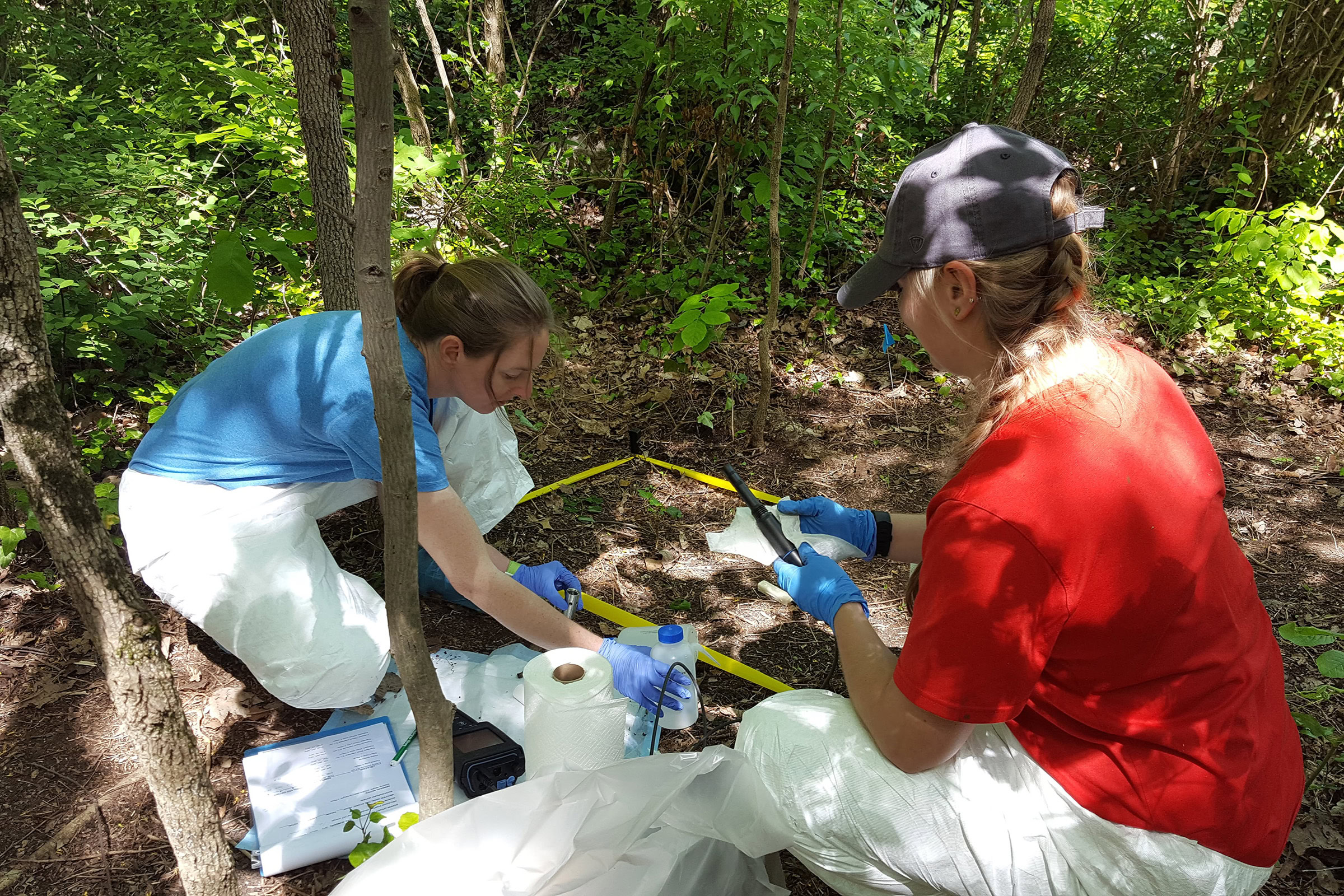
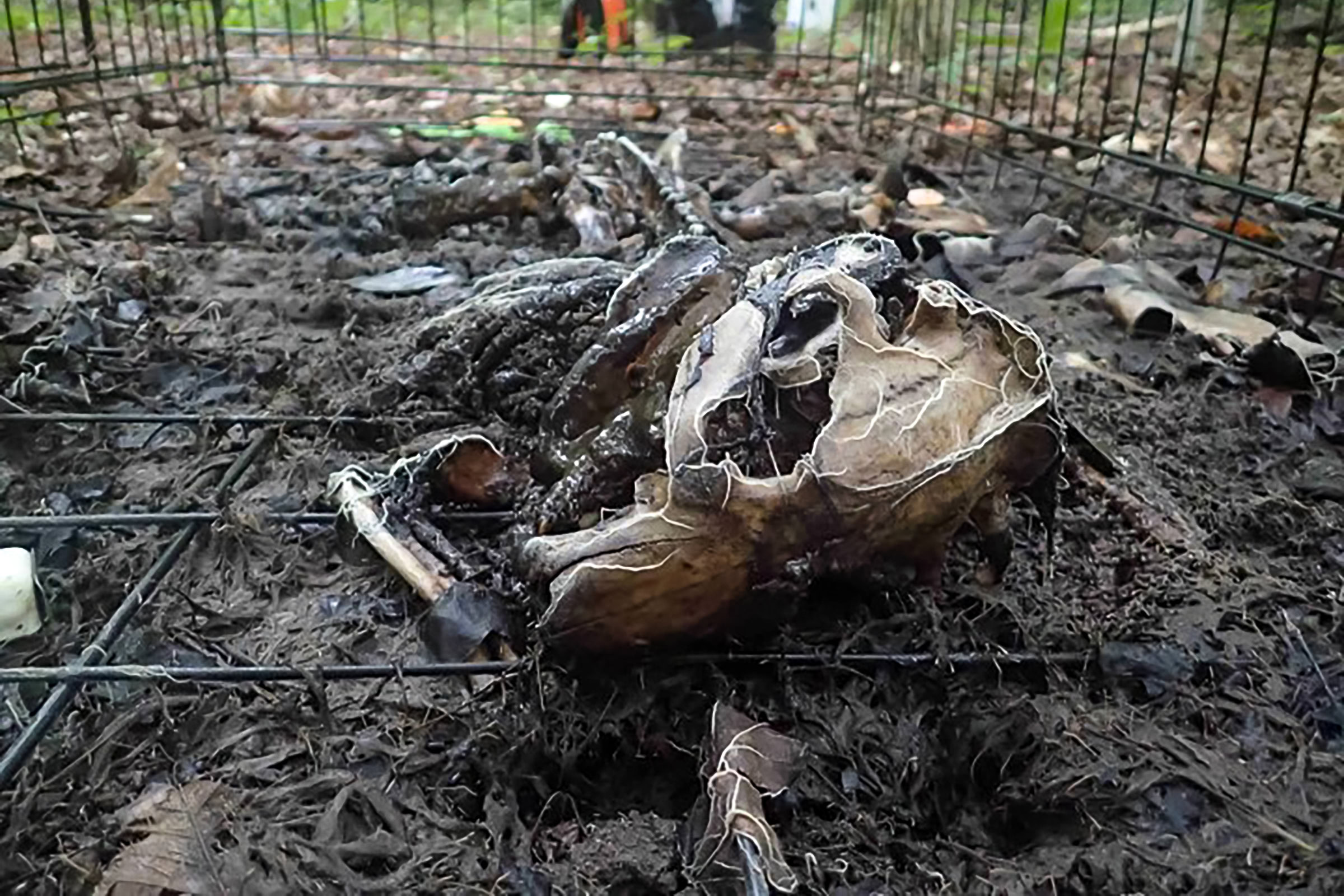
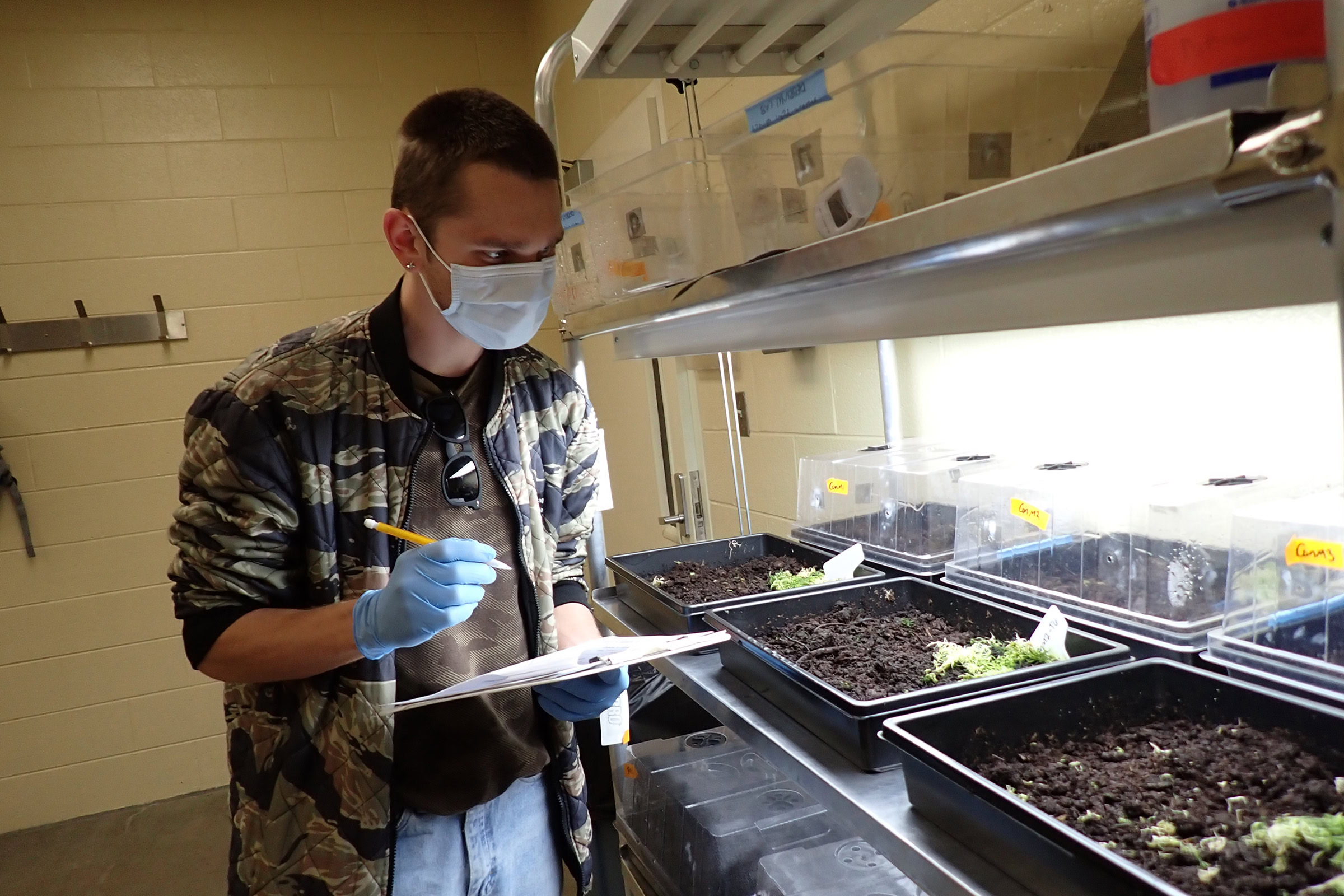
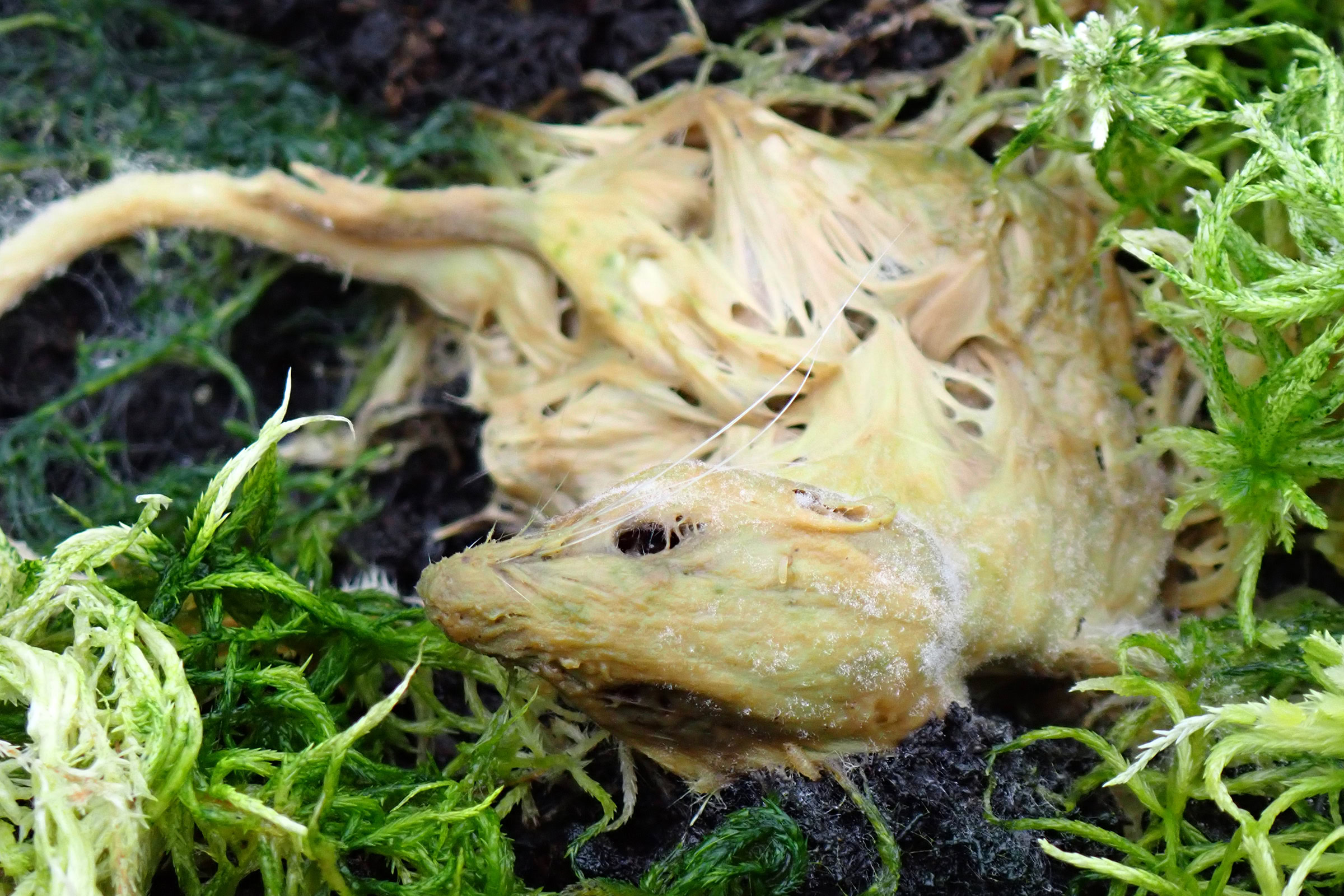
DeBruyn will return soon to collect samples, but in the meantime, she’s excited about another new project connected to climate change. In a greenhouse near her office, she’s recently begun to grow little pods of moss. Moss, in anaerobic environments, decays to form peat. And peatlands, which form in cold, wet parts of Europe, Russia, and North America, store an estimated 30 percent of the world’s soil-bound carbon. DeBruyn wants to know what happens when big animals like bears, moose, deer, and hogs fall into peat bogs and die, and how microbes in those oxygen-poor environments move carbon and nitrogen around. To find out, she’ll soon be placing dead mice, acquired from a campus medical lab, in pods of moss to decay, so she can track the metabolite byproducts and map out previously unknown processes of decomposition.
The pathways that lead from a decaying animal to soil, air, and plant life form part of a much vaster network: One made up of cycles of decomposition and rejuvenation that connect animals and humans to their environment, shaping and reshaping animate and inanimate matter alike. These cycles thread and repeat through cosmic scales of time and space, at all levels of physical reality, from the molecular to the interstellar. Heavy elements like carbon, oxygen, and nitrogen are forged in the heart of dying stars and scattered across the universe with the last outburst of stellar death. Eventually, they’re incorporated into vast spinning clouds of gas and radiation. And perhaps one day, billions of years later, some isotopes of carbon and nitrogen from that explosion will wind up on a watery, blue-green world not too close and not too far from its host star.
This could be those isotopes’ fate: To wind up tangled in the head of an Argentinian tegu, bought as a pet for Christmas but released into the Everglades when it got too big, and then killed and frozen and packed in the trunk of a graduate student’s car. And then, some weeks later, liberated from the decaying tegu on a hill in Tennessee by small, busy decomposers, landing in the soil, and collected on a soggy day, when threadlike rain is falling sideways, by a ponytailed microbial ecologist in a blue jacket and sturdy black boots.
Day 316. Photograph courtesy of Hannah Maddox / Univ. of Tenn., Knoxville
Hi, I’m Dave, the executive director of bioGraphic. (And that’s my dog, Finn.) Thanks for taking the time to read this story.
Stories like this simply don’t get produced without financial support from readers like you. bioGraphic is not backed by a private company or owned by a billionaire. It’s an independent, nonprofit magazine. And one-quarter of our annual budget comes directly from reader donations.
We need your support more than ever, as governments slash funding for conservation and scientific research, placing even more ecosystems and wildlife at risk around the world. At bioGraphic, we’re steadfastly shining a light on the threats to our planet’s incredible biodiversity. And we’re showcasing the hard work of people bravely taking action to protect at-risk species.
bioGraphic publishes environmental reporting that you can’t find anywhere else: deeply researched, trustworthy stories that are also beautiful and captivating to read. We offer an antidote to reader apathy and doom-and-gloom news by revealing the wonders of the natural world and focusing on real solutions to big problems. When you finish a bioGraphic story, we want to leave you feeling informed, delighted, and inspired.
We don’t run ads or hide our stories behind a paywall. The readers who generously support bioGraphic allow our work to remain free for everyone.
Will you help us keep telling these crucial stories?

Author

Related Articles
Trial by Fire
In the burn-scarred mountains of Southern California, a team of biologists fights to help an imperiled frog.
Ethiopia’s Grand Tree-Planting Plan
Efforts to restore lost forests often fail, but Ethiopians are betting big: planting billions of saplings to revive habitat, regenerate soil, and stabilize the land.
The Trouble with Tamarisk
Twenty-five years ago, land managers unleashed a beetle to control an invasive tree sucking rivers dry. But water levels haven’t risen—and the real villains are still causing trouble.