The Tuna Herders
Climate change has forced these Galápagos sea lions to turn to a new food source. Since they can't outswim their prey, they use wits and teamwork instead.

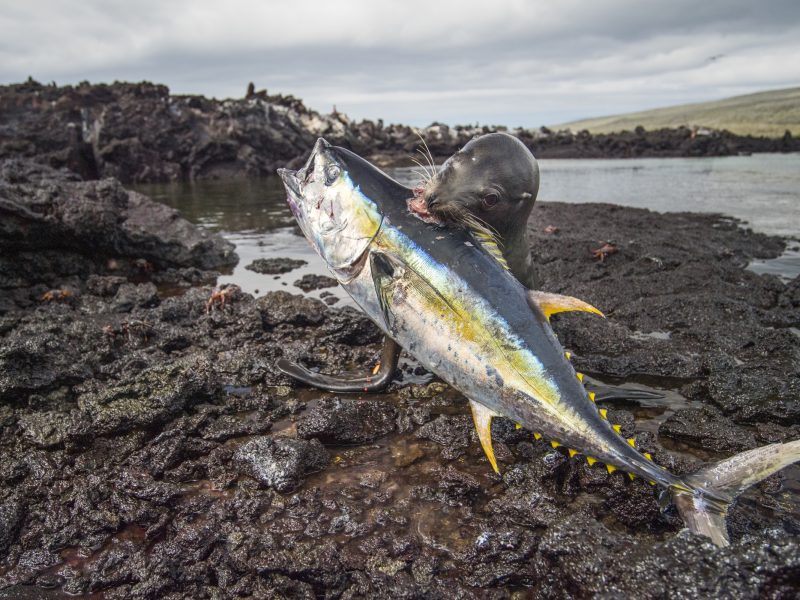
Climate change has forced these Galápagos sea lions to turn to a new food source. Since they can't outswim their prey, they use wits and teamwork instead.

Some Tasmanian devils have taken a surprising turn in response to a devastating cancer, offering new hope for the endangered species' survival.

In a display that rivals even the most dazzling of firework shows, millions of squid gather off the coast of Japan each spring to perform a sparkling spawning ritual.

An "unholy" river in India may be the last, best hope for one of the world's largest and most imperiled crocodilians.
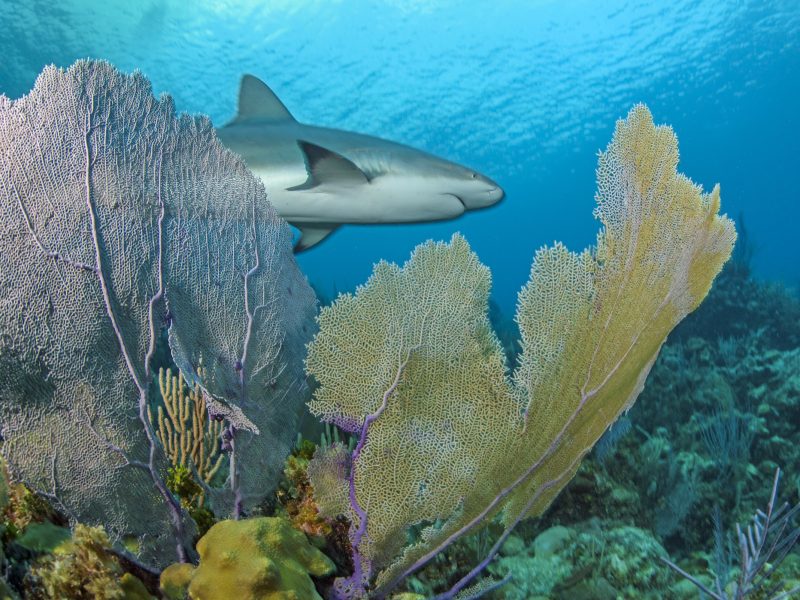
Cuba’s sustainable farming practices could provide a recipe for restoring struggling coral reefs around the world.

In California’s Mono Lake—whose alkaline waters are deadly to most insects—these diving flies don’t just survive; they thrive.

In Iceland's Hornstrandir Nature Reserve, arctic foxes are thriving—and offering hope that the species will be able to adapt to a changing climate.
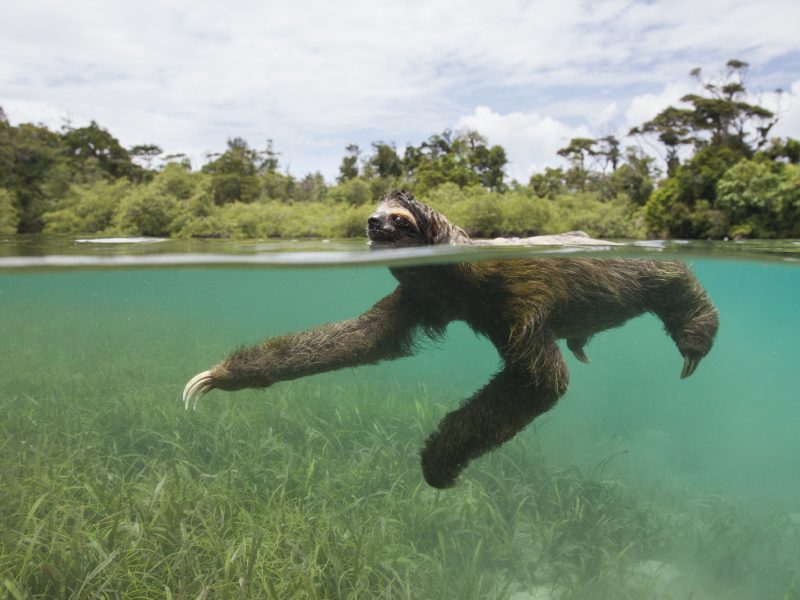
They do almost everything else in slow motion, but Panama’s pygmy sloths are surprisingly proficient swimmers—and they find relative safety in the sea.
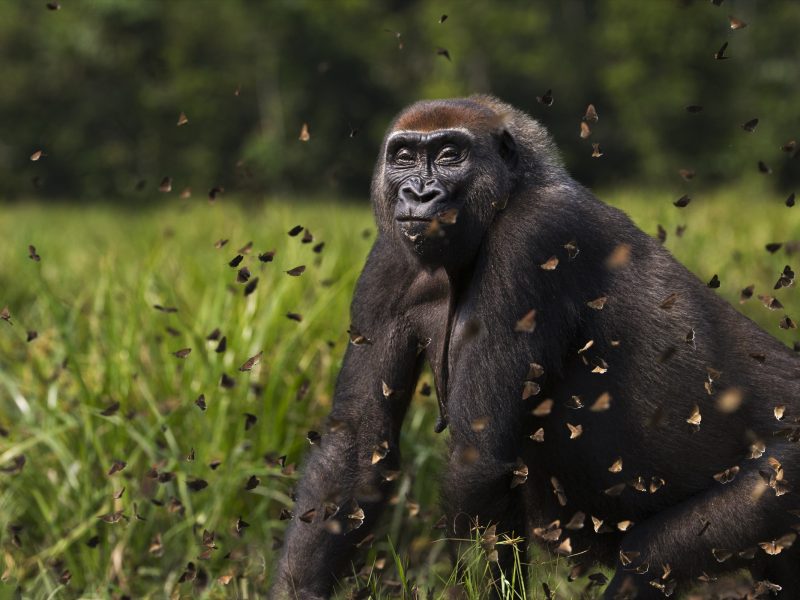
Western lowland gorillas dwell deep in the forests of the Congo Basin, but their days may be numbered if we can’t bring them into the light.

As New Zealand’s odd “owl parrot” plods toward recovery, its ultimate survival hinges on a nationwide effort to eradicate millions of invasive predators.