Author

Solvin Zankl

Solvin Zankl

www.solvinzankl.com

Solvin Zankl has been working as a professional photographer since 1998. He is particularly interested in capturing the behaviors and unique characteristics of his subjects, and is known for his fresh perspectives of small and often overlooked species.

Krista Langlois's Latest Articles

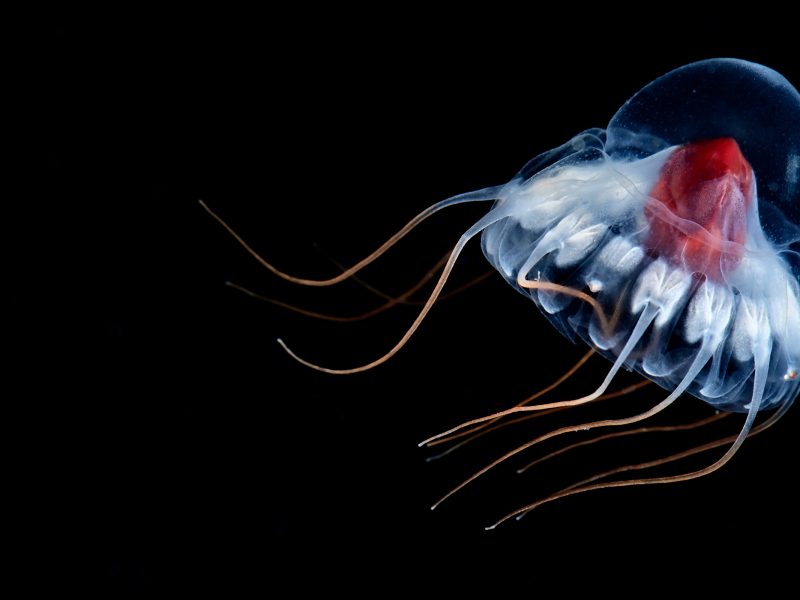
Prince of Darkness

Helmet jellyfish have taken over a Norwegian fjord, demonstrating the species’ tenacity and offering clues about environmental factors that can upend an ecosystem.


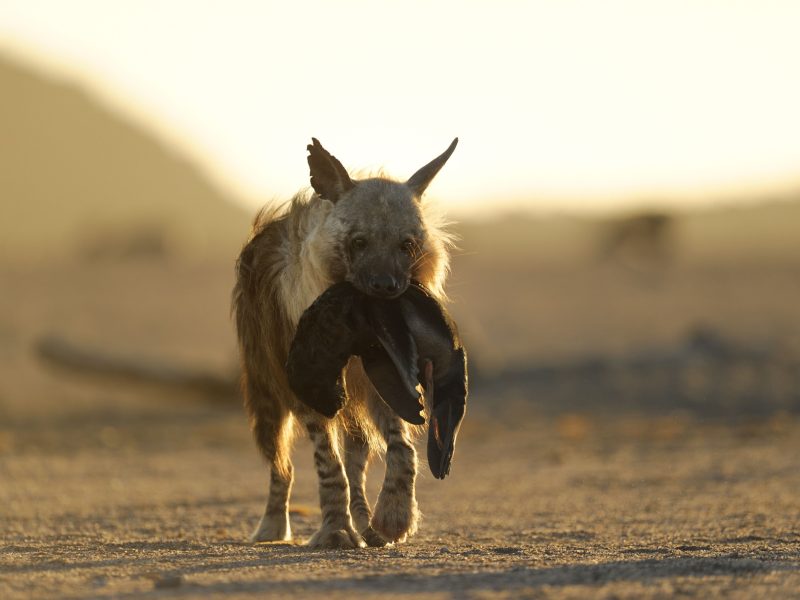
Brown Hyena
Bounty Hunter

When the Cape fur seals along the Namibian coast have their pups each December, the desert’s top scavengers become seal-hunting specialists.

A female firefly squid (Watasenia scintillans) releases her fertilized eggs in a long, blue, gelatinous strand.
Flashes of Brilliance

In a display that rivals even the most dazzling of firework shows, millions of squid gather off the coast of Japan each spring to perform a sparkling spawning ritual.
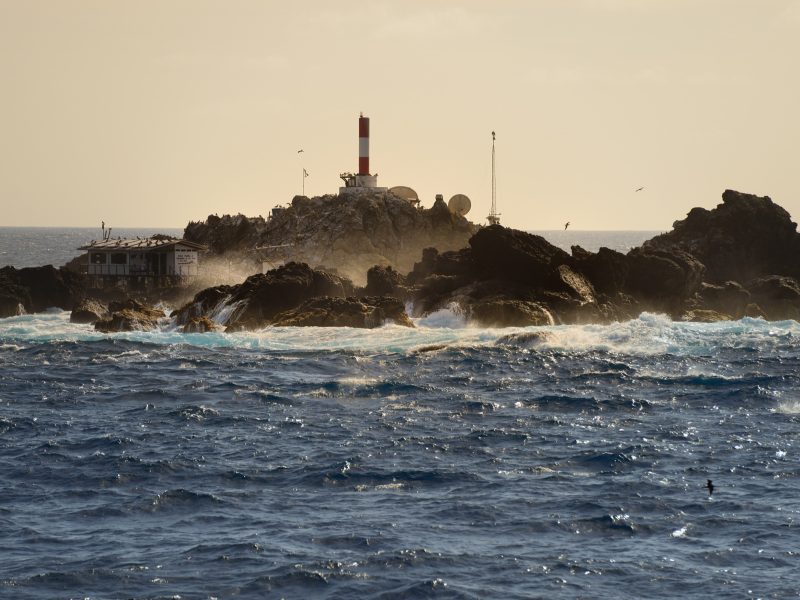
Hundreds of resident brown boobies (Sula leucogaster) circle above Saint Peter and Saint Paul Archipelago, a tiny set of islets in the middle of the Atlantic Ocean. Photograph by Novus Select
Life on the Rocks

To learn how life on Earth first began—and how it might evolve elsewhere in the universe—scientists are probing rocks deep beneath the ocean's surface.

Bearded fireworm (Hermodice carunculata) photographed with UV light. Atlantic, Bonaire, Leeward Antilles, Caribbean region, Netherlands Antilles
Fire on the Reef

Normally invisible to humans, fluorescent light shows like the one this fireworm puts on are helping medical researchers fight disease.
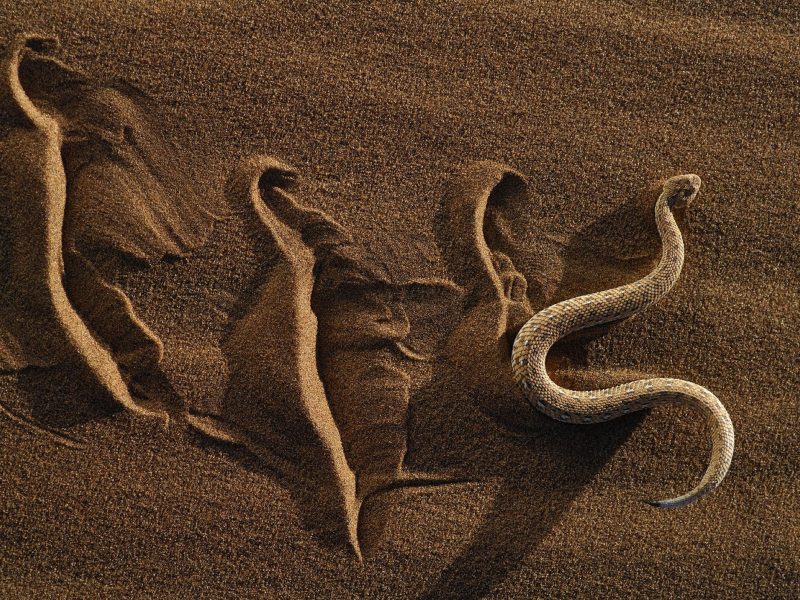
Dwarf puff adder / Peringueys Sidewinding Adder (Bitis peringueyi) moving over the loose sand in typical mode of locomotion, Namib desert, Namibia
Making Tracks

For some snakes, taking the path of least resistance requires getting off the ground.

Stag beetle (Lucanus cervus) males fighting on oak tree branch, Elbe, Germany, June.
Up in Arms

A pair of male stag beetles bring their oversized mandibles to bear in the age-old fight to find a mate.
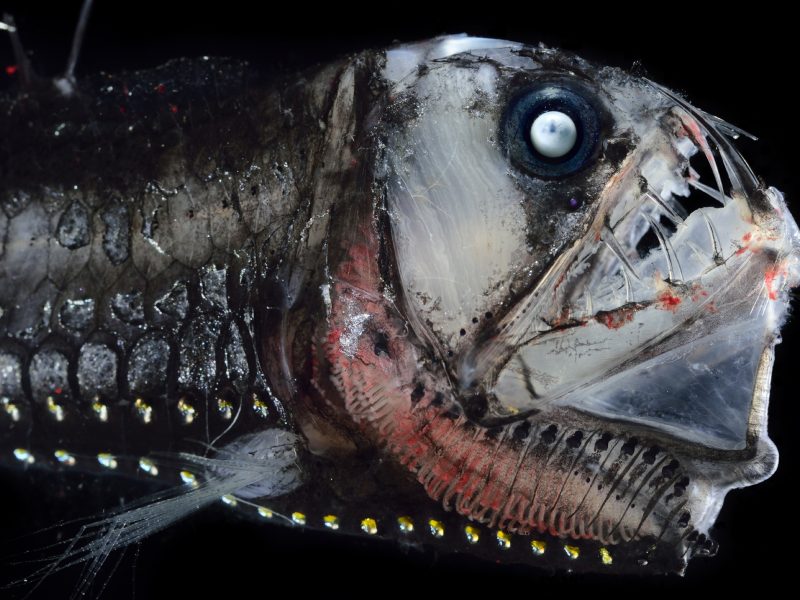
Like many other deep-sea fishes, the Sloan’s viperfish (Chauliodus sloani) uses light-producing cells called photophores to lure unsuspecting prey toward its mouth. Once it catches its victim, the viperfish’s hinged teeth rotate inward to trap the animal and force it inescapably down the predator’s gullet.
Aliens of the Deep

From transparent bodies and glowing appendages to motion-sensing cells, these denizens of the deep are highly adapted for life in a world without light.