
Photograph by Solvin Zankl

Along the lichen-encrusted branch of an oak tree in Elbe, Germany, an epic battle plays out—a fight for the right to mate. These two male stag beetles (Lucanus cervus)—which had set out in search of a female but instead found a rival—waste little time trying to push one another out of the way, wielding their antler-like jaws as formidable weapons. In this case, the scuffle doesn’t last long. The smaller male, overmatched by the massive mandibles of his opponent, is marched off the tree within about ten seconds.
The stakes are high each time male stag beetles spar, since they don’t have much time to find a mate. These beetles spend the vast majority of their lives underground as larvae, feeding on rotting wood and other decaying plant matter for up to seven years before undergoing metamorphosis and crawling to the surface. Once they emerge, the adult males have only about three months to find a female and successfully mate before winter arrives and puts them permanently to rest.
Fierce opponents are not the only challenges facing stag beetles today. Once common throughout western Europe, these beetles are now declining throughout their range as the woodland habitat they prefer is increasingly lost to development. In some countries, stag beetles are now restricted mostly to urban and suburban settings, where over-zealous park managers and gardeners unwittingly contribute to their decline by clearing fallen logs the larvae need to survive. Stag beetle enthusiasts (yes, they really exist) across Europe hope to put a stop to this trend, campaigning for slightly less tidy parks and gardens—a practice that would support not only these charismatic beetles but also many other residents of fallen-log ecosystems.

Elbe, Germany
Hi, I’m Dave, the executive director of bioGraphic. (And that’s my dog, Finn.) Thanks for taking the time to read this story.
Stories like this simply don’t get produced without financial support from readers like you. bioGraphic is not backed by a private company or owned by a billionaire. It’s an independent, nonprofit magazine. And one-quarter of our annual budget comes directly from reader donations.
We need your support more than ever, as governments slash funding for conservation and scientific research, placing even more ecosystems and wildlife at risk around the world. At bioGraphic, we’re steadfastly shining a light on the threats to our planet’s incredible biodiversity. And we’re showcasing the hard work of people bravely taking action to protect at-risk species.
bioGraphic publishes environmental reporting that you can’t find anywhere else: deeply researched, trustworthy stories that are also beautiful and captivating to read. We offer an antidote to reader apathy and doom-and-gloom news by revealing the wonders of the natural world and focusing on real solutions to big problems. When you finish a bioGraphic story, we want to leave you feeling informed, delighted, and inspired.
We don’t run ads or hide our stories behind a paywall. The readers who generously support bioGraphic allow our work to remain free for everyone.
Will you help us keep telling these crucial stories?

Related Articles
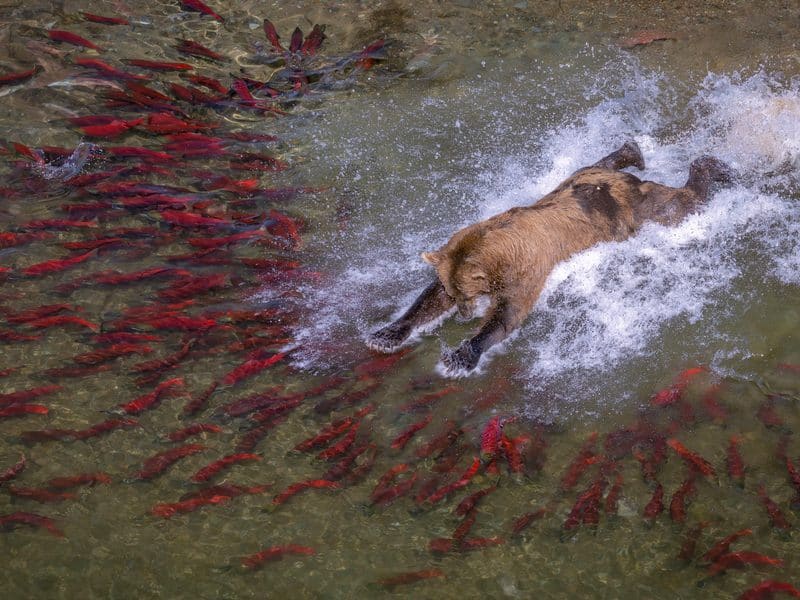
The Art of the Catch
To bulk up for winter hibernation, Alaska’s brown bears employ a range of techniques for snaring salmon.
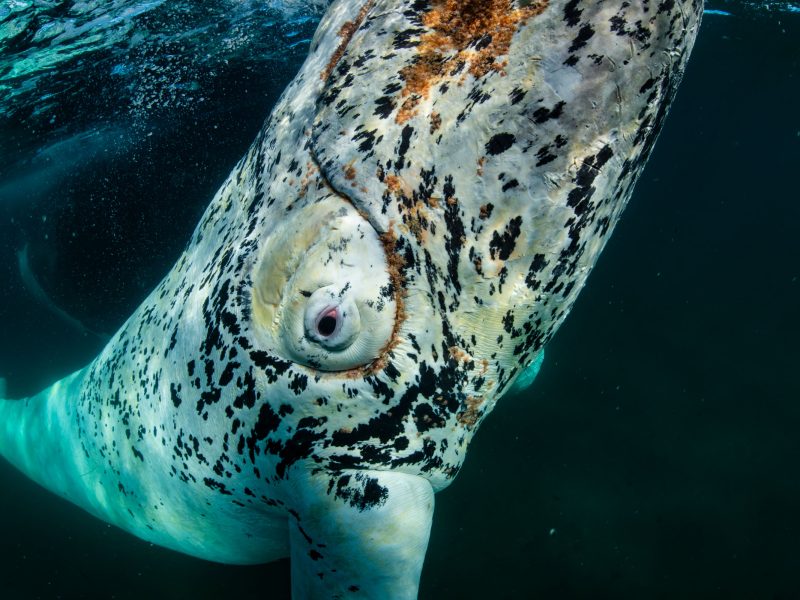
The Wonder of a Pale Whale
A curious calf with an atypical birthday suit is a good sign for southern right whales.
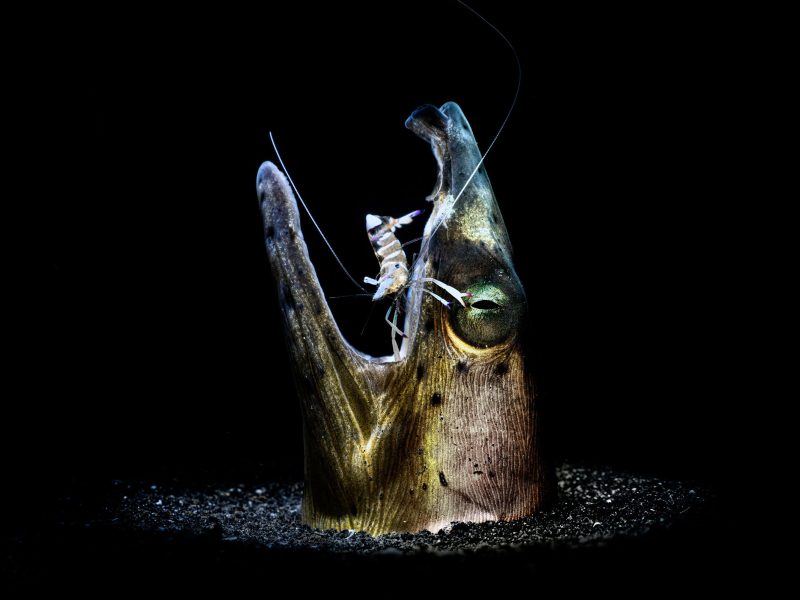
Saying “Ah!” at the Shrimp Spa
On coral reefs, an army of tiny cleaners eat their clients’ parasites, food particles, and dead skin, boosting biodiversity in the process.
