American Leadership for a Sustainable Future
How the next president responds to the world's environmental challenges will determine the fate of our world for centuries to come.

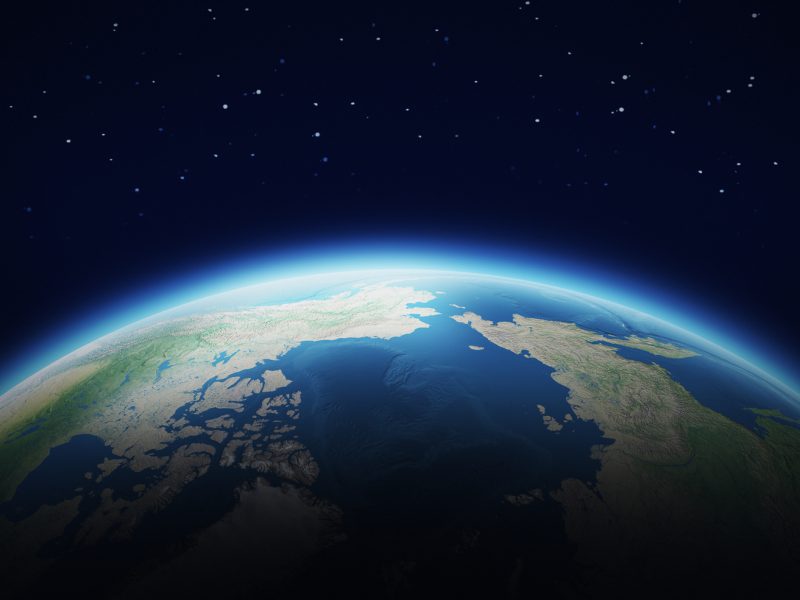
How the next president responds to the world's environmental challenges will determine the fate of our world for centuries to come.

Meaningfully assessing the health and value of ecosystems requires far more than simply counting up all the species that live there.

Under the watchful eye of a local conservation biologist, the world’s only wetland cat eeks out a strange existence in some of Southeast Asia’s most heavily fragmented habitats.

We see so many troubling stories about the environment that the occasional bit of good news usually comes as a surprise. But there’s more to be hopeful about than many people realize.

A new and deadly fungus could wreak havoc on America’s salamanders if—or when—it arrives on U.S. shores.
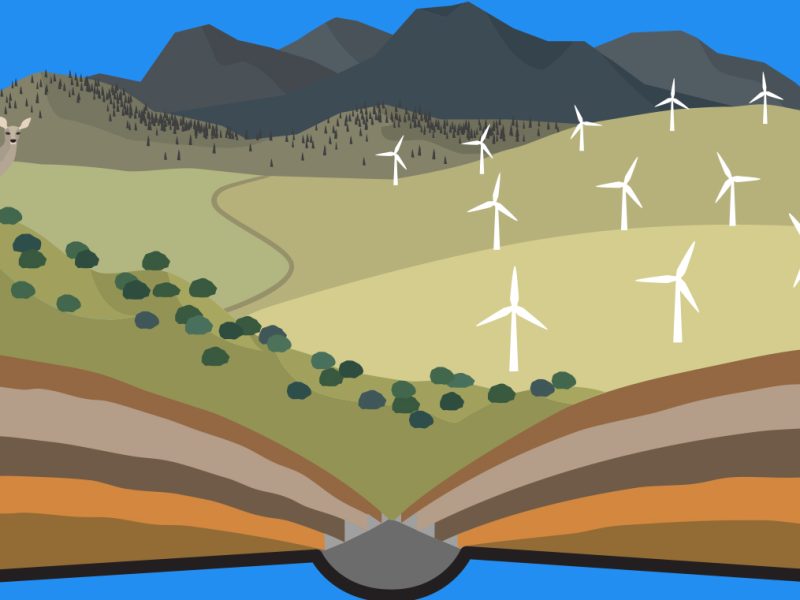
As we continue to recklessly degrade the global environment, and our society starts to feel the sobering consequences, we all need to step back and quickly learn—and live by—the lessons that our living world can teach us.
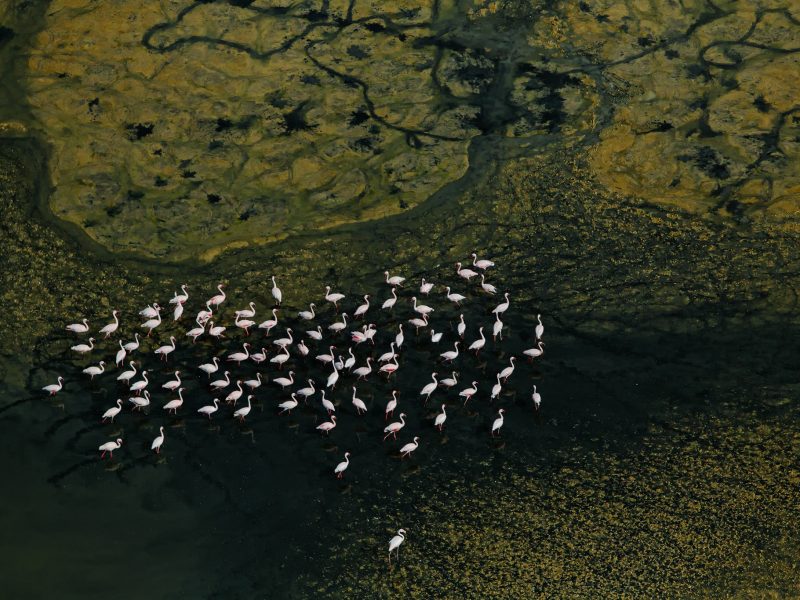
In the harsh, hot soda lakes of East Africa, flamingos thrive, and now scientists are beginning to understand how these birds live where other species die.

With native fish populations in decline, resourceful European otters have turned their attention to frogs and toads, a food source that presents its own challenges.
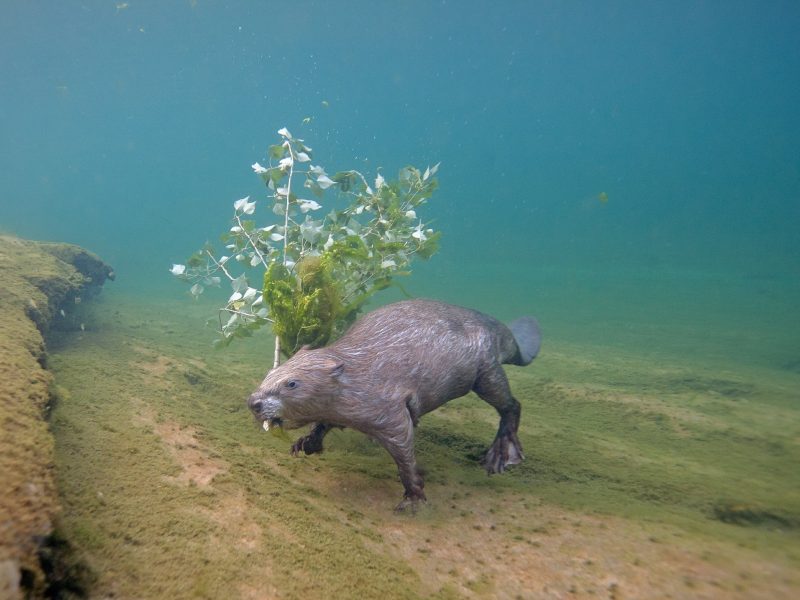
Back from the brink, Eurasian beavers are once again an integral part of the river ecosystem in France's Loire Valley.
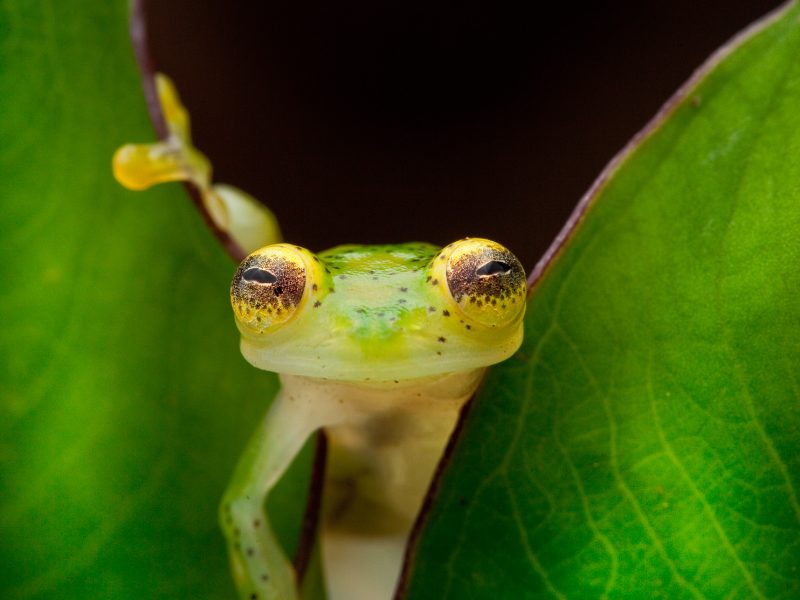
Recently rediscovered—or discovered for the first time—these survivors offer hope for future conservation efforts.