
Photograph by Louis-Marie Preau

Prized for both their fur and their castoreum—a scent-gland secretion once believed to cure everything from headaches to hysteria, Eurasian beavers were nearly hunted to extinction by the middle of the 19th century. In France, the species (Castor fiber) was nearly wiped out entirely, with the exception of a small population of about 100 individuals in the lower Rhone valley. But a combination of local hunting prohibitions and reintroduction programs brought these animals back from the brink, and there are now more than 14,000 beavers in the country. Photographer Louis-Marie Preau has been watching beavers in the Loire region of western France for more than 15 years. He’s never forgotten the first time he saw an adult delivering a tasty branch to its family underwater—but it took him four years to successfully capture this intimate scene. Each evening, wearing snorkeling gear and weights, he would lie motionless on the riverbed for two to three hours. Finally, one evening, his patience paid off. Preau had only just plunged into the water and positioned himself when this adult returned with a freshly harvested poplar branch to feed to its three young kits. He was impressed by the beaver’s strength and determination, as it dragged this leafy meal through the water.

Saumur, France
Hi, I’m Dave, the executive director of bioGraphic. (And that’s my dog, Finn.) Thanks for taking the time to read this story.
Stories like this simply don’t get produced without financial support from readers like you. bioGraphic is not backed by a private company or owned by a billionaire. It’s an independent, nonprofit magazine. And one-quarter of our annual budget comes directly from reader donations.
We need your support more than ever, as governments slash funding for conservation and scientific research, placing even more ecosystems and wildlife at risk around the world. At bioGraphic, we’re steadfastly shining a light on the threats to our planet’s incredible biodiversity. And we’re showcasing the hard work of people bravely taking action to protect at-risk species.
bioGraphic publishes environmental reporting that you can’t find anywhere else: deeply researched, trustworthy stories that are also beautiful and captivating to read. We offer an antidote to reader apathy and doom-and-gloom news by revealing the wonders of the natural world and focusing on real solutions to big problems. When you finish a bioGraphic story, we want to leave you feeling informed, delighted, and inspired.
We don’t run ads or hide our stories behind a paywall. The readers who generously support bioGraphic allow our work to remain free for everyone.
Will you help us keep telling these crucial stories?

Author

Related Articles
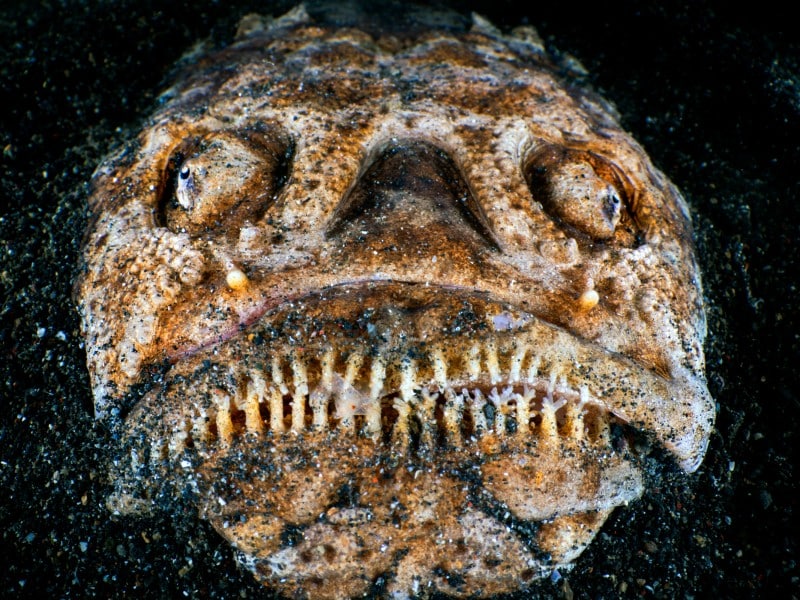
Burial at Sea
The whitemargin stargazer’s ghoulish, upturned face allows the fish to bury its body in sand and nearly disappear—while watching for its next unsuspecting meal.
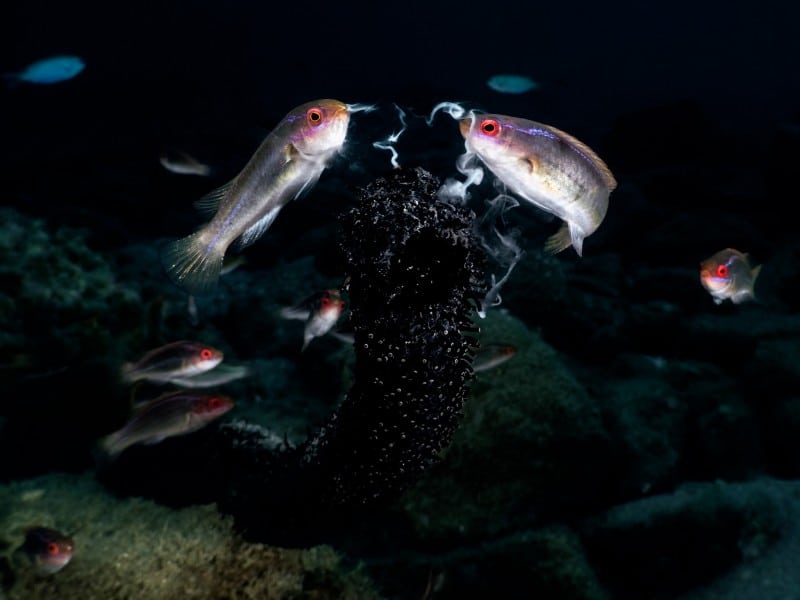
Milt Meal
Marine creatures will do almost anything for a meal—including feasting on the sperm and eggs of spawning invertebrates.
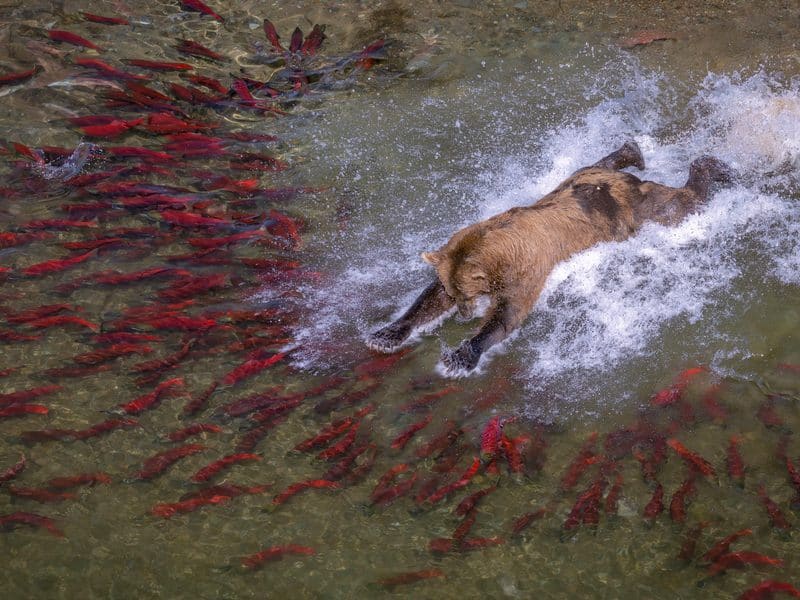
The Art of the Catch
To bulk up for winter hibernation, Alaska’s brown bears employ a range of techniques for snaring salmon.