Of Moose and Men
In an environment increasingly altered by the expanding footprint of human infrastructure, do moose have a place in Colorado's ecological future?

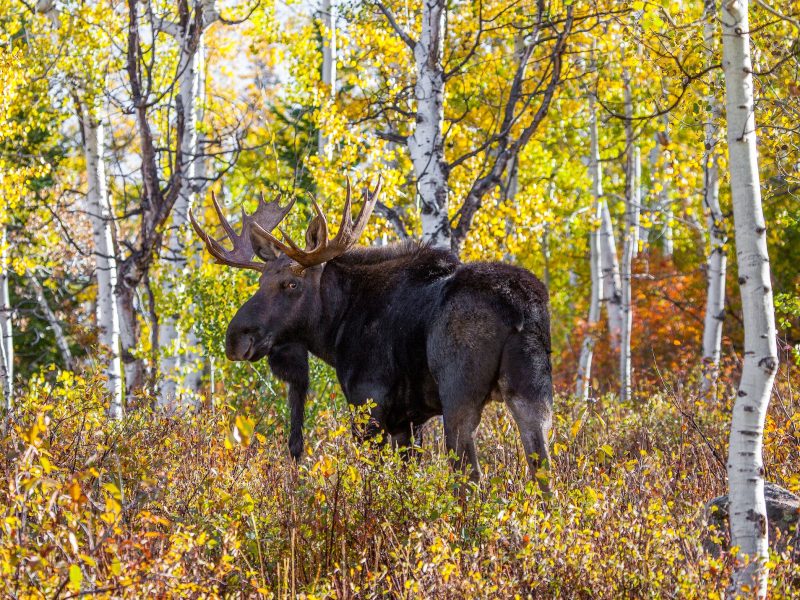
In an environment increasingly altered by the expanding footprint of human infrastructure, do moose have a place in Colorado's ecological future?

The Confederated Tribes of the Colville in Washington State are restoring the lands and species of their traditional ecological community.
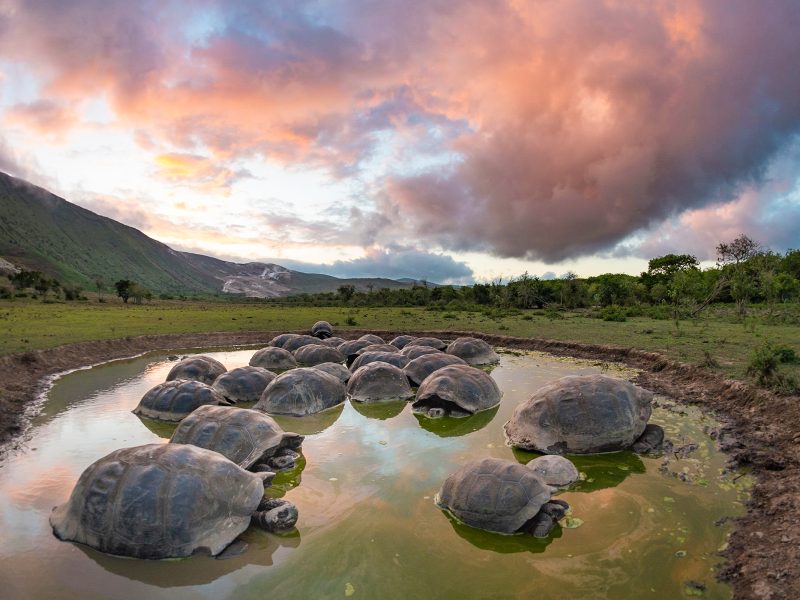
With their habitat recovering following the eradication of invasive goats, giant tortoises are once again flourishing and bathing in abundance on the slopes of Isabela’s Alcedo Volcano and on other Galápagos islands.
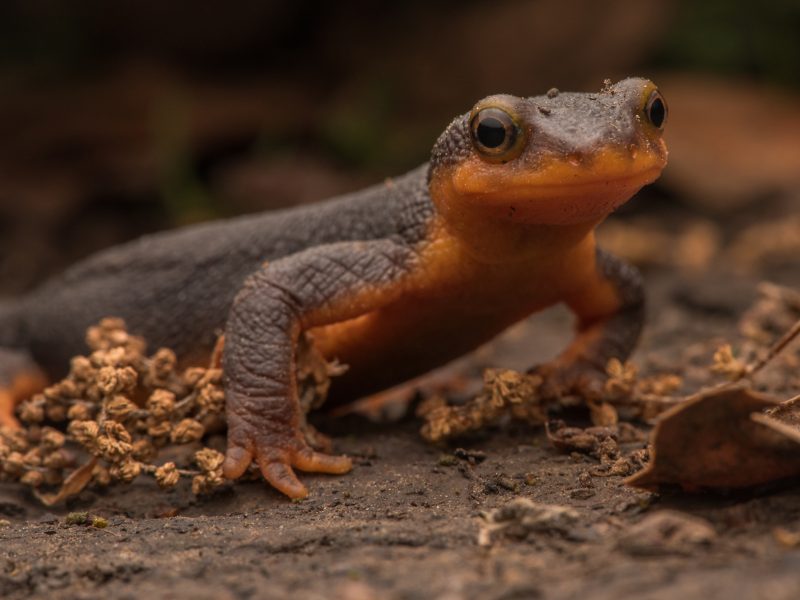
Droughts, wildfires, floods, and other extreme weather events are putting an unprecedented strain on California newts. With help, scientists think these remarkable animals will be able to persevere.

Facing stiff odds and steep population declines across Europe, can these versatile and tenacious ground squirrels fight back?

Unlike their more iconic cousins, diminutive northern pygmy owls occasionally manage to raise families in urban forests—some little more than a stone’s throw from the local café.

A writer and photographer shares an intimate portrait of the annual migration and uncertain future of the Western Arctic Caribou Herd.
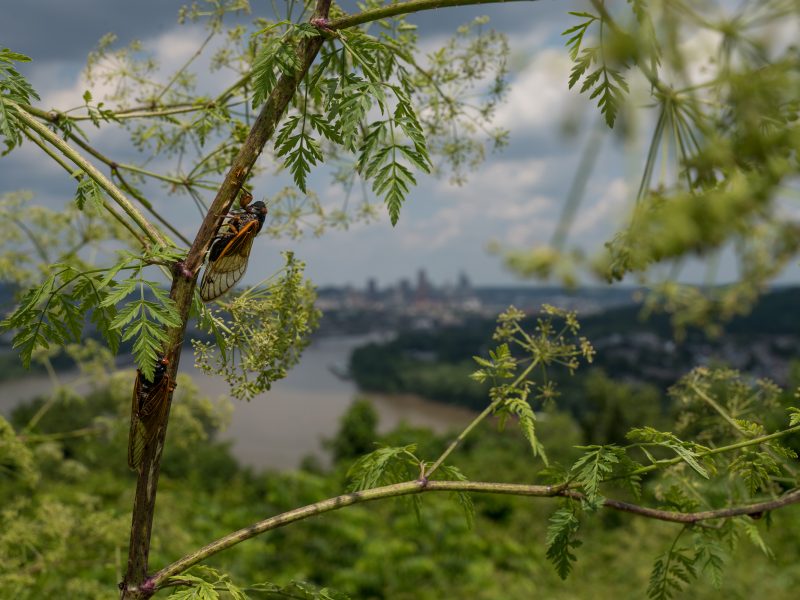
Despite their perceived abundance, the periodical cicadas that emerged across the eastern United States this summer point to a growing set of threats facing both the insects themselves and the ecosystems they help support.

Discovered a mere four years ago, the Skywalker gibbon quickly landed on the list of the world's 25 most endangered primates. While its status remains precarious, the species is inspiring a newfound effort to protect and restore the forests of China’s Gaoligong Mountains.

For the world’s rarest ape, survival may depend on stories passed down for centuries among the people of its Chinese island home.