
Lens of Time: Witch Hazels Take Flight
Investigating the mechanics of seed dispersal in an unusual shrub in eastern North America has revealed that some plants have powers of propulsion equal to the planet’s fastest animals.
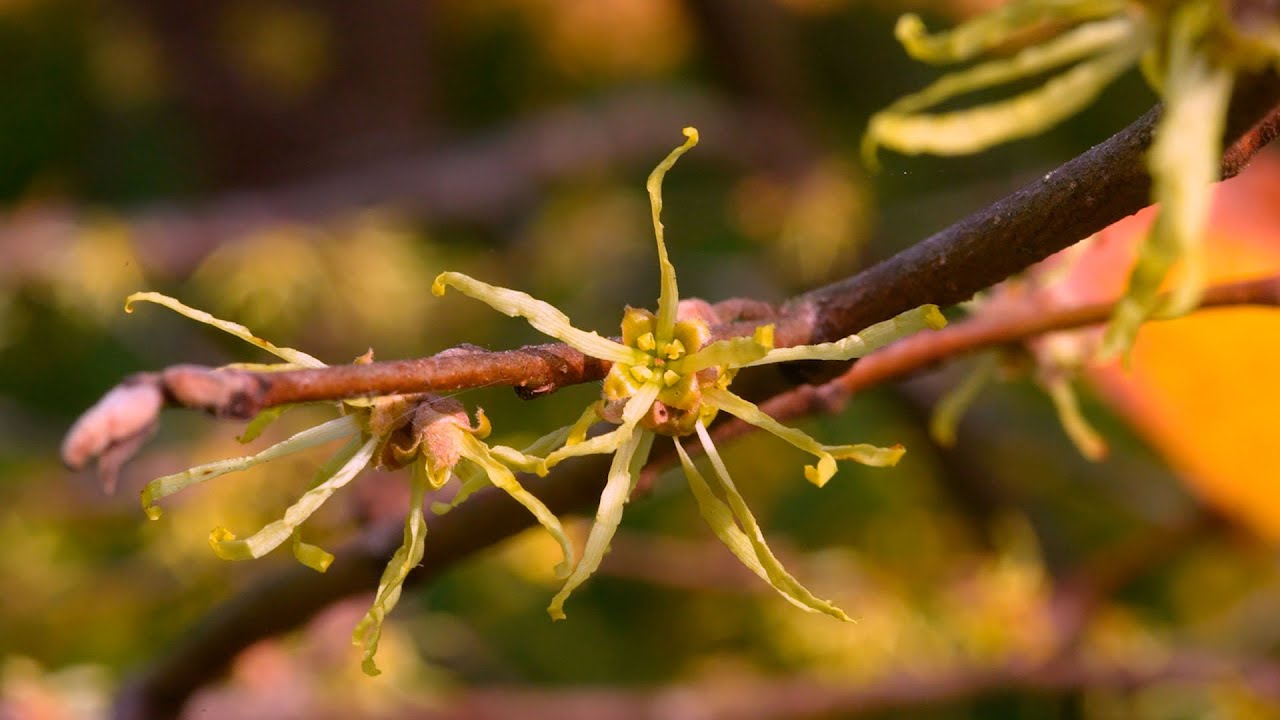
The American witch hazel (Hamamelis virginiana) has long harbored secrets. For centuries, Indigenous peoples in eastern North America have brewed “magic water” by boiling bark from the twiggy shrub and using it to treat all manner of maladies, from sore muscles to skin tumors. Diviners have also shaved down the forked branches and pointed them at the ground, arms outstretched, to locate water underground. And in the fall, when most other plants are beginning to go dormant to store energy for spring, the American witch hazel erupts in ringlets of spindly, golden flowers. “It really stands out as one of the most anomalous species we’ve got in the shrub diversity of eastern North America,” says Paul Manos, a biology professor at Duke University in North Carolina.
But perhaps the plant’s strangest trait is how it spreads its seeds. Unlike most understory shrubs, American witch hazels don’t depend on birds for seed dispersal. Instead, as winter approaches, they fire their glossy black seeds across the forest floor with audible pops—sometimes launching the start of a new generation as much as 10 meters (33 feet) away from the parent plant.
To learn more about these feats of flight, Manos brought a handful of witch hazels’ seed-bearing fruits to Justin Jorge, then a doctoral student in Duke’s biology department. With a high-speed camera and insatiable curiosity, Jorge discovered the mechanisms that allow the seeds to fly farther than basic physics might predict—and in the process he stumbled upon some new American witch hazel mysteries.
Hi, I’m Dave, the executive director of bioGraphic. (And that’s my dog, Finn.) Thanks for taking the time to read this story.
Stories like this simply don’t get produced without financial support from readers like you. bioGraphic is not backed by a private company or owned by a billionaire. It’s an independent, nonprofit magazine. And one-quarter of our annual budget comes directly from reader donations.
We need your support more than ever, as governments slash funding for conservation and scientific research, placing even more ecosystems and wildlife at risk around the world. At bioGraphic, we’re steadfastly shining a light on the threats to our planet’s incredible biodiversity. And we’re showcasing the hard work of people bravely taking action to protect at-risk species.
bioGraphic publishes environmental reporting that you can’t find anywhere else: deeply researched, trustworthy stories that are also beautiful and captivating to read. We offer an antidote to reader apathy and doom-and-gloom news by revealing the wonders of the natural world and focusing on real solutions to big problems. When you finish a bioGraphic story, we want to leave you feeling informed, delighted, and inspired.
We don’t run ads or hide our stories behind a paywall. The readers who generously support bioGraphic allow our work to remain free for everyone.
Will you help us keep telling these crucial stories?

Author

Related Articles
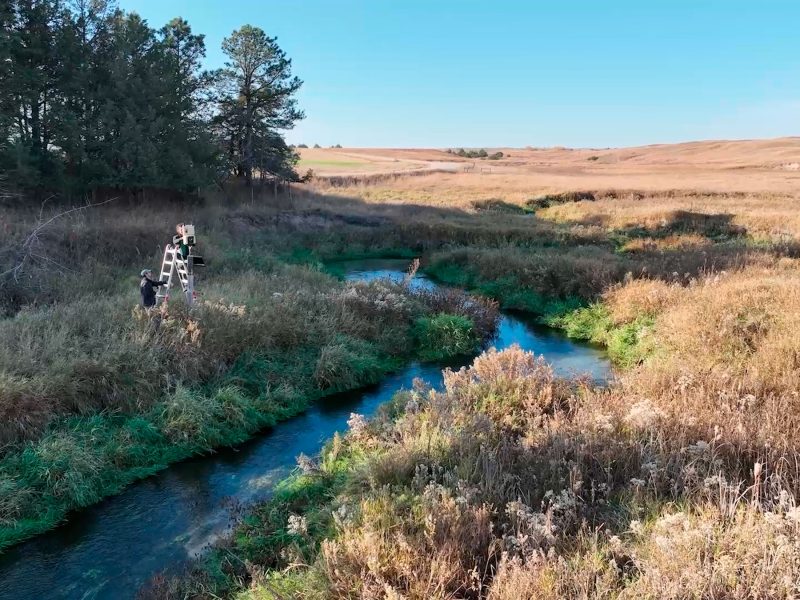
Lens of Time: A Watershed in Motion
Where does our water come from, how do the variations in its flow affect the ecosystems it feeds, and how can time-lapse photography help land managers understand and protect this valuable resource?
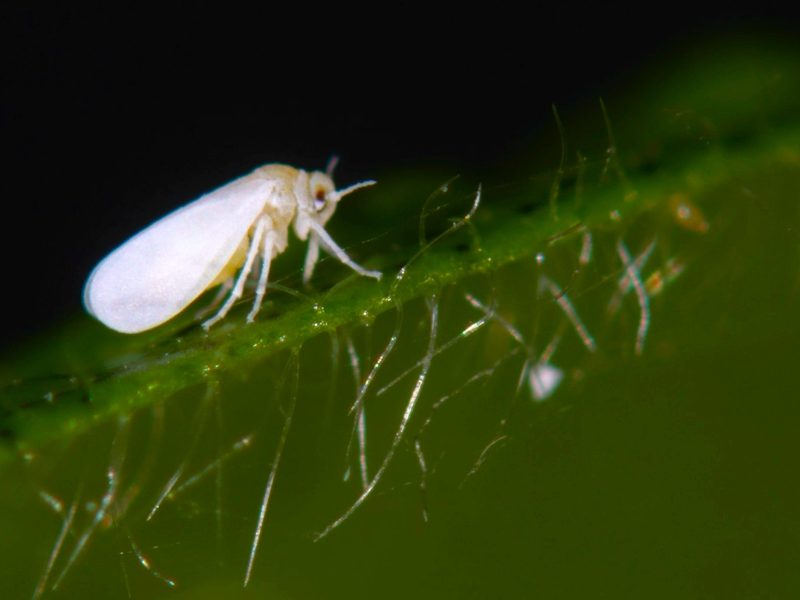
Lens of Time: Tiny Fliers
As ubiquitous as flight may be in the natural world, it turns out not all flying creatures approach the feat in quite the same way.
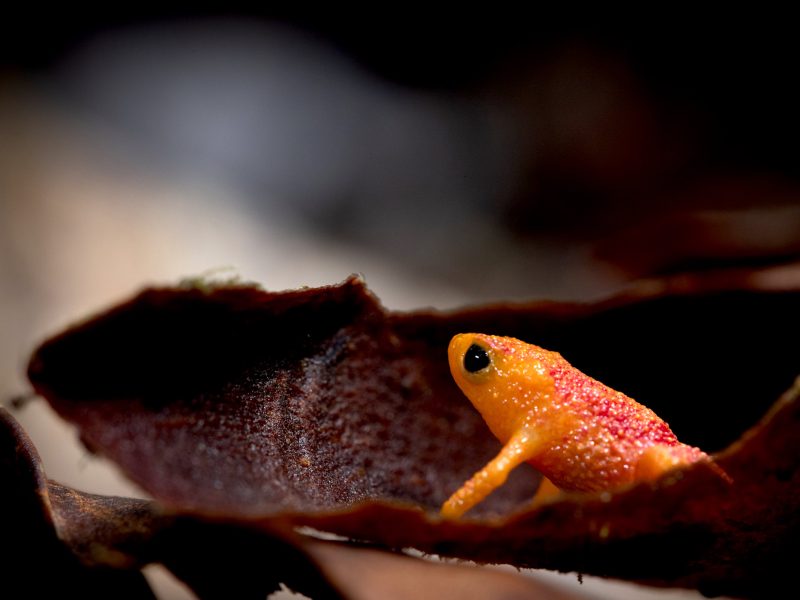
A Model Toadlet
Recent field experiments focusing on a tiny, charismatic frog in southeastern Brazil are beginning to shed light on a disease that has decimated amphibian populations around the world.