Lens of Time: Witch Hazels Take Flight
Investigating the mechanics of seed dispersal in an unusual shrub in eastern North America has revealed that some plants have powers of propulsion equal to the planet’s fastest animals.

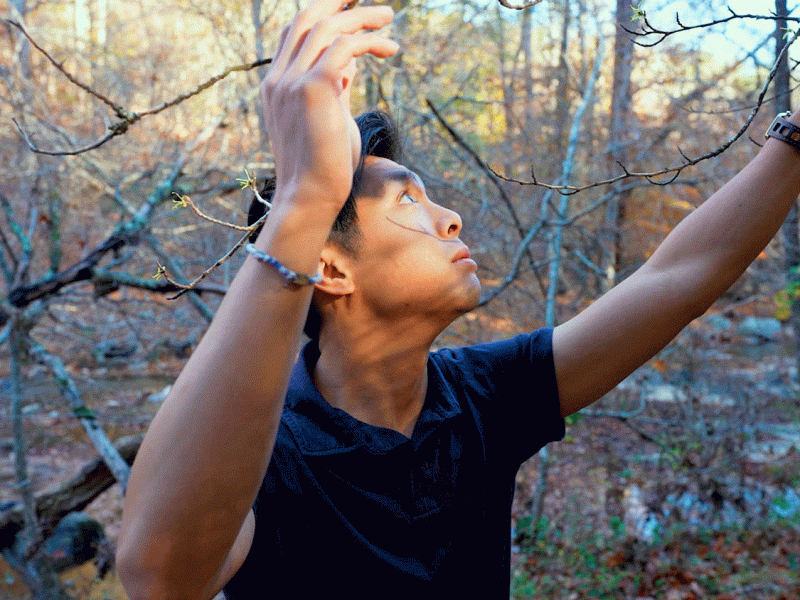
Investigating the mechanics of seed dispersal in an unusual shrub in eastern North America has revealed that some plants have powers of propulsion equal to the planet’s fastest animals.
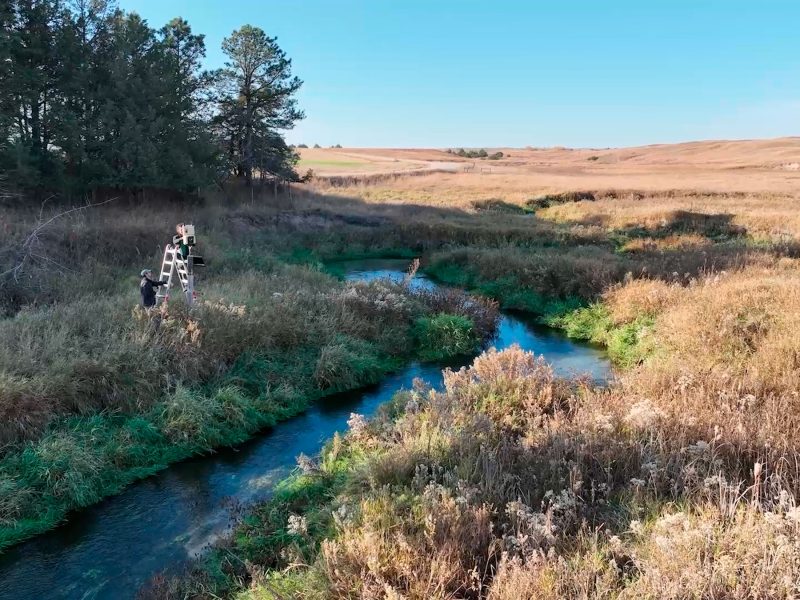
Where does our water come from, how do the variations in its flow affect the ecosystems it feeds, and how can time-lapse photography help land managers understand and protect this valuable resource?
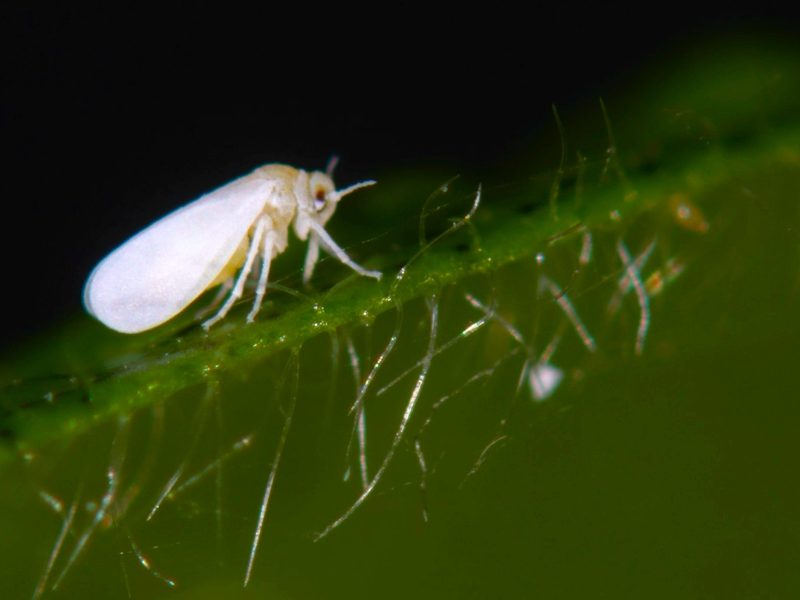
As ubiquitous as flight may be in the natural world, it turns out not all flying creatures approach the feat in quite the same way.
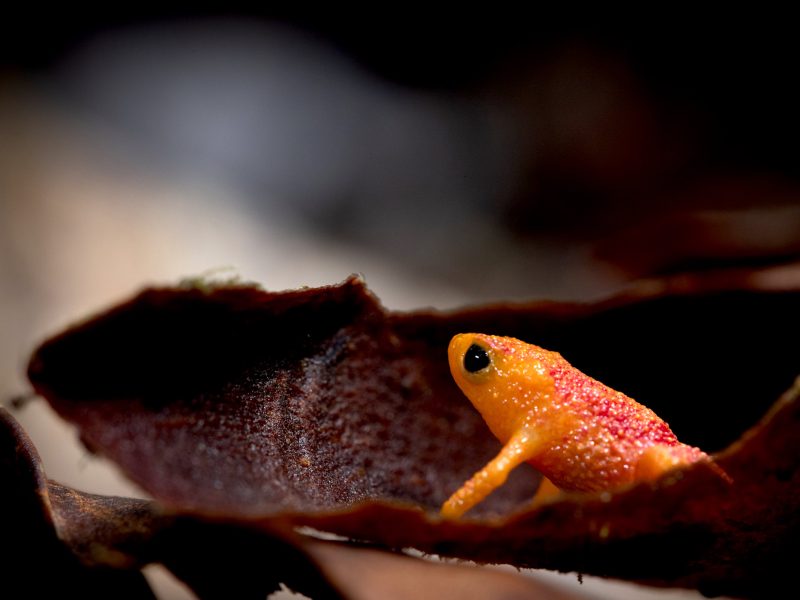
Recent field experiments focusing on a tiny, charismatic frog in southeastern Brazil are beginning to shed light on a disease that has decimated amphibian populations around the world.
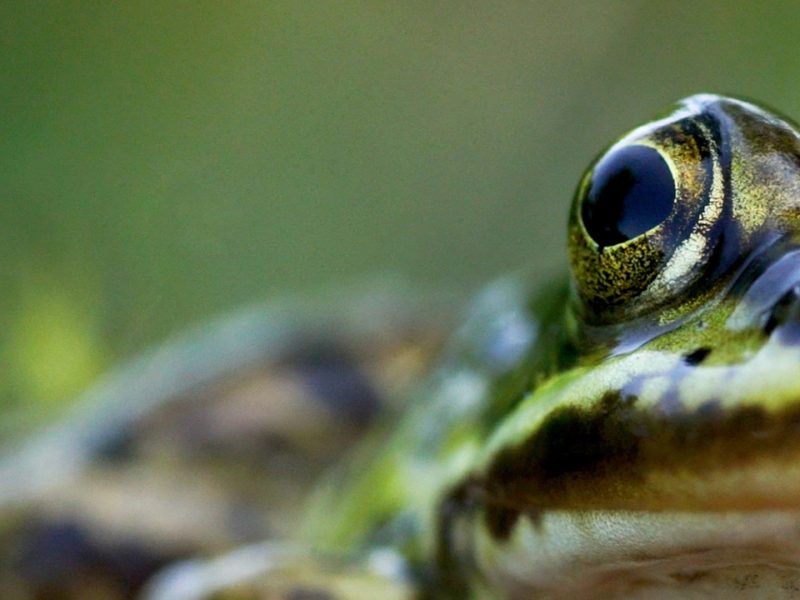
As scientists were discovering a surprising detail about an often-overlooked frog, the last local population of the species was winking out of existence. The extraordinary story of England’s pool frog and the effort to bring it back.
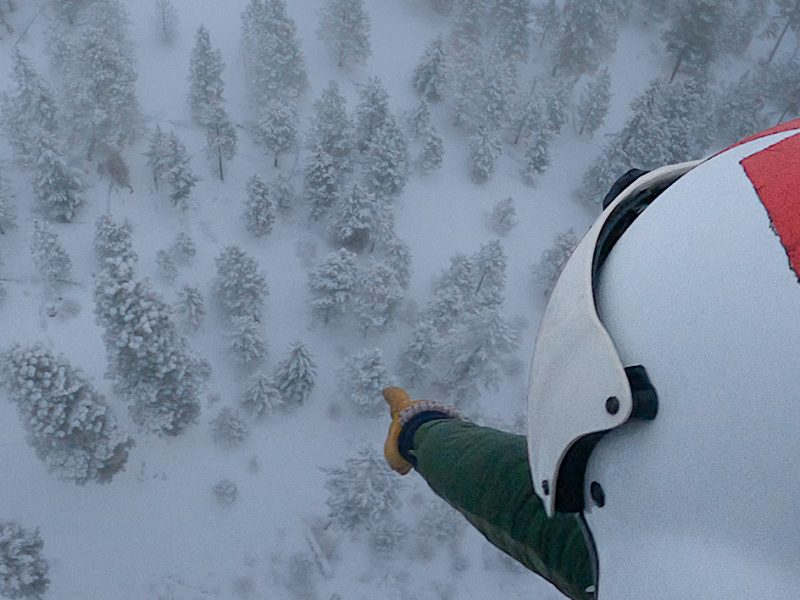
The first step in managing a rare and controversial predator—particularly in a state where it's been absent for decades—is knowing how many you have. That’s easier said than done with a species as elusive as this one.
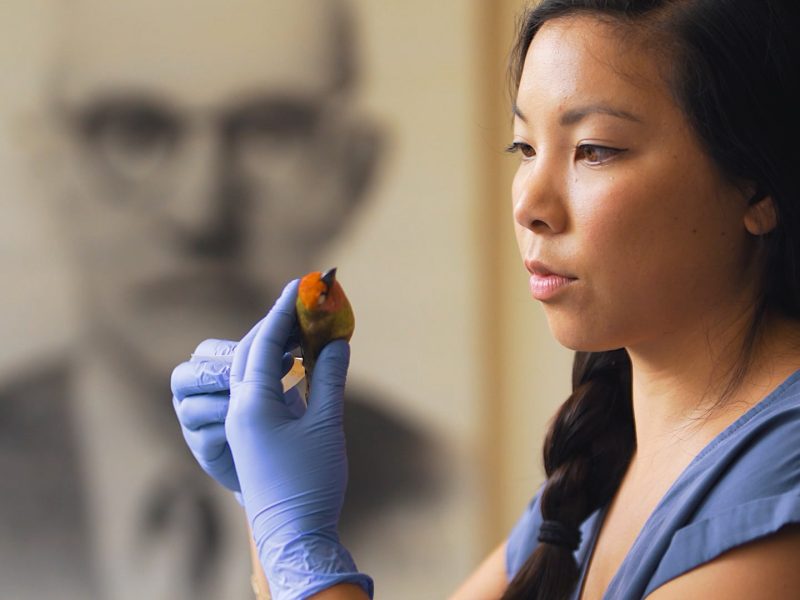
Thanks to foresight and meticulous records collected nearly a century ago, scientists are reconstructing a picture of some of Mexico's most important ecosystems before they were transformed.
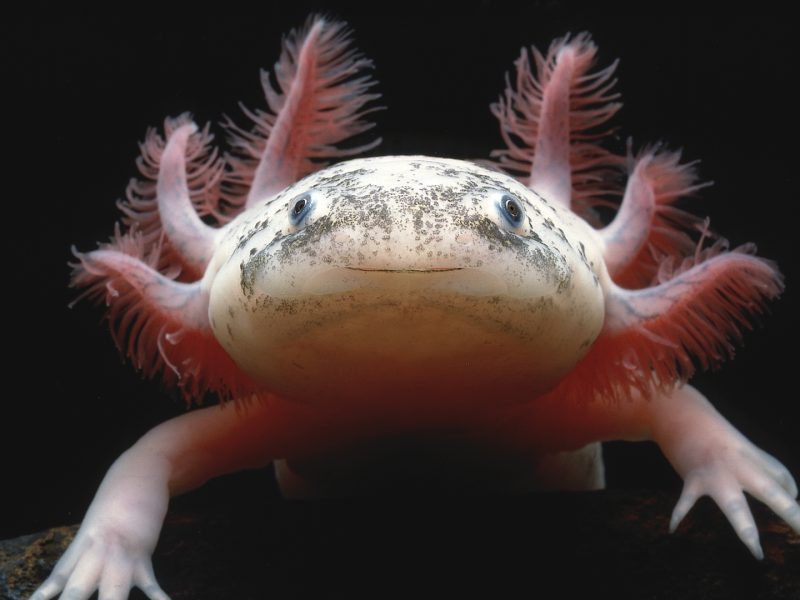
Important symbols of both Mexican culture and ecosystem health, axolotls are on the brink of extinction in the wild, but a return to ancient practices offers hope for their future.
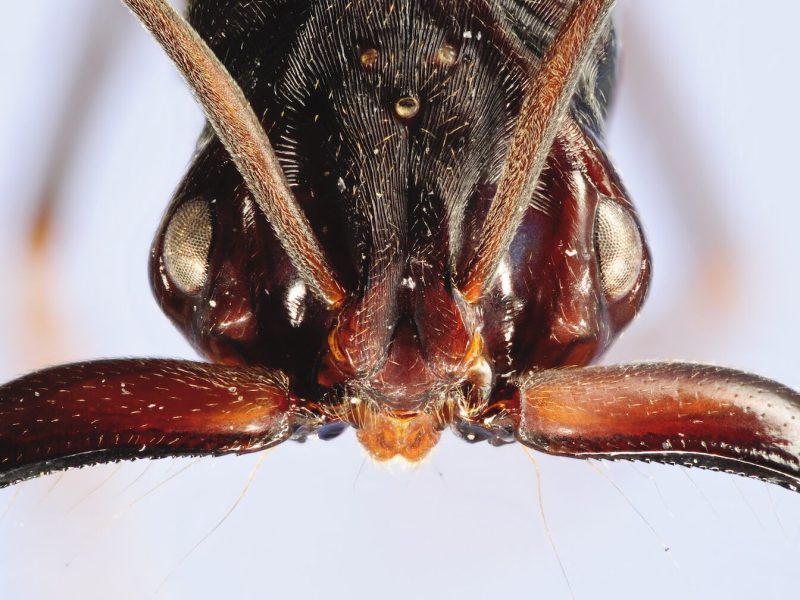
Sometimes the best solution to a sticky situation is a quick escape, and few escapes are faster than a trap-jaw ant’s.
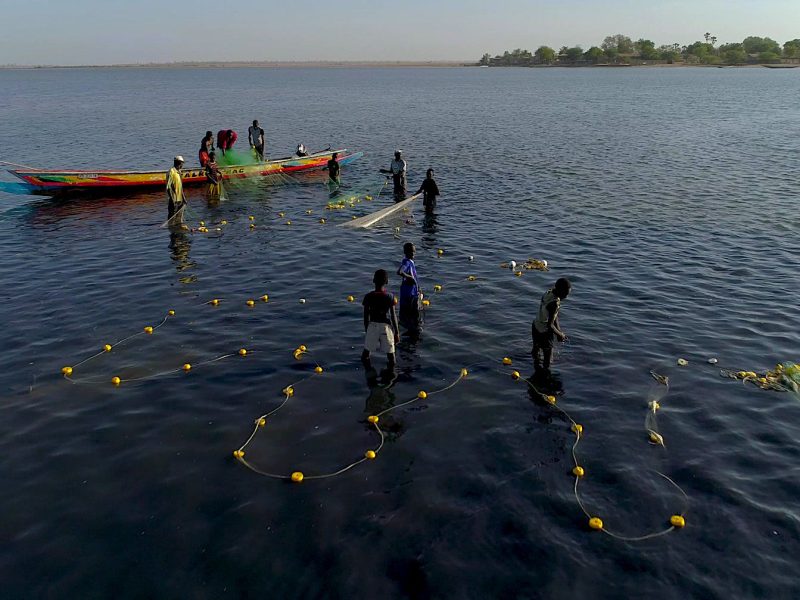
Restoring native crustaceans along West Africa’s Senegal River may be a critical step in controlling one of the world’s deadliest tropical diseases.

We’re 53 percent of the way there! Help us reach $20,000 by October 2.