Lens of Time: Jaw Jumpers
Sometimes the best solution to a sticky situation is a quick escape, and few escapes are faster than a trap-jaw ant’s.

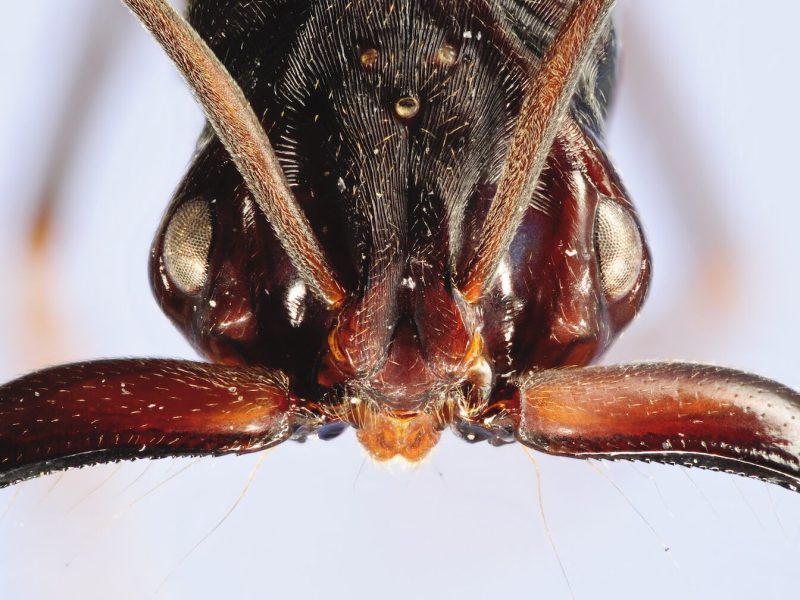
Sometimes the best solution to a sticky situation is a quick escape, and few escapes are faster than a trap-jaw ant’s.

A tiny copper cannonball is no match for this hawkmoth's hovering prowess.

As reefs endure another onslaught, scientists are taking a closer look at how corals live and grow—and what may enable some of them to persist in a changing world.

Emperor penguins just may be the best huddlers on Earth—and scientists are finally revealing the secrets to their success.

The smallest chameleons on Earth perform one of the most explosive movements in the animal kingdom.

Under cover of subtlety and slow-motion, plants not only perceive the organisms around them, they respond—and in some cases, prepare for battle.

Shimmering schools of fish have dazzled scientists for centuries with their synchronized maneuvers. Now, high-speed video is revealing how—and why—they do it.

Scientists open a window—literally—into a process that normally remains hidden deep inside a butterfly’s chrysalis.
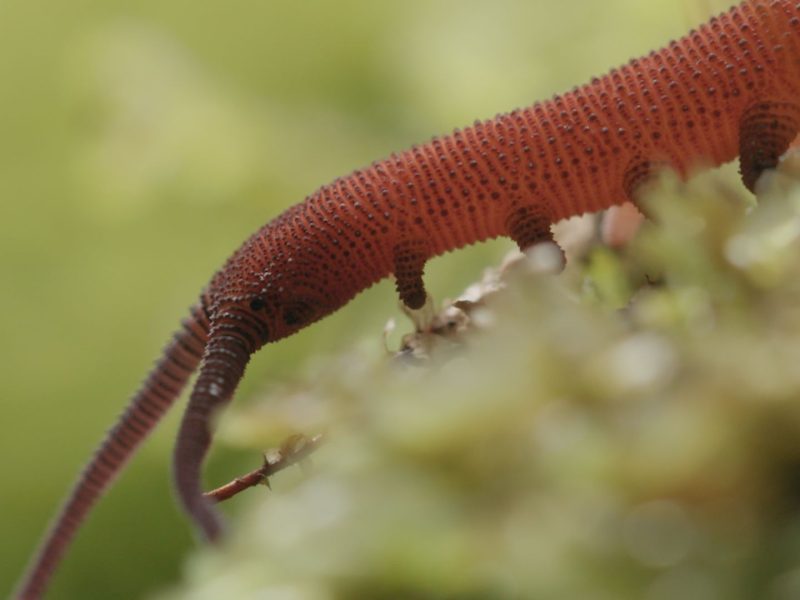
Physics and biology meet to create one of the world's strangest weapons: the slime cannon.
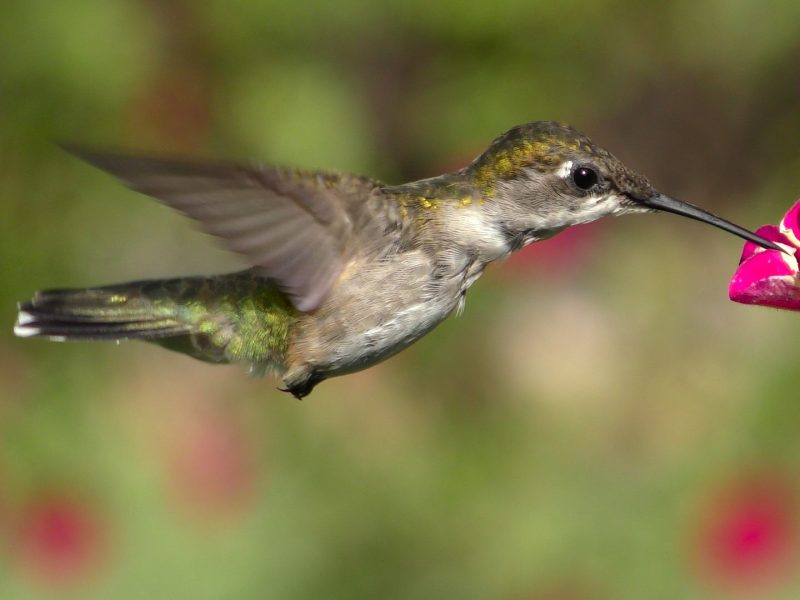
Armed with the latest technology, scientists are beginning to unlock the secrets of one of nature’s most acrobatic flyers.