
Produced by Spine Films
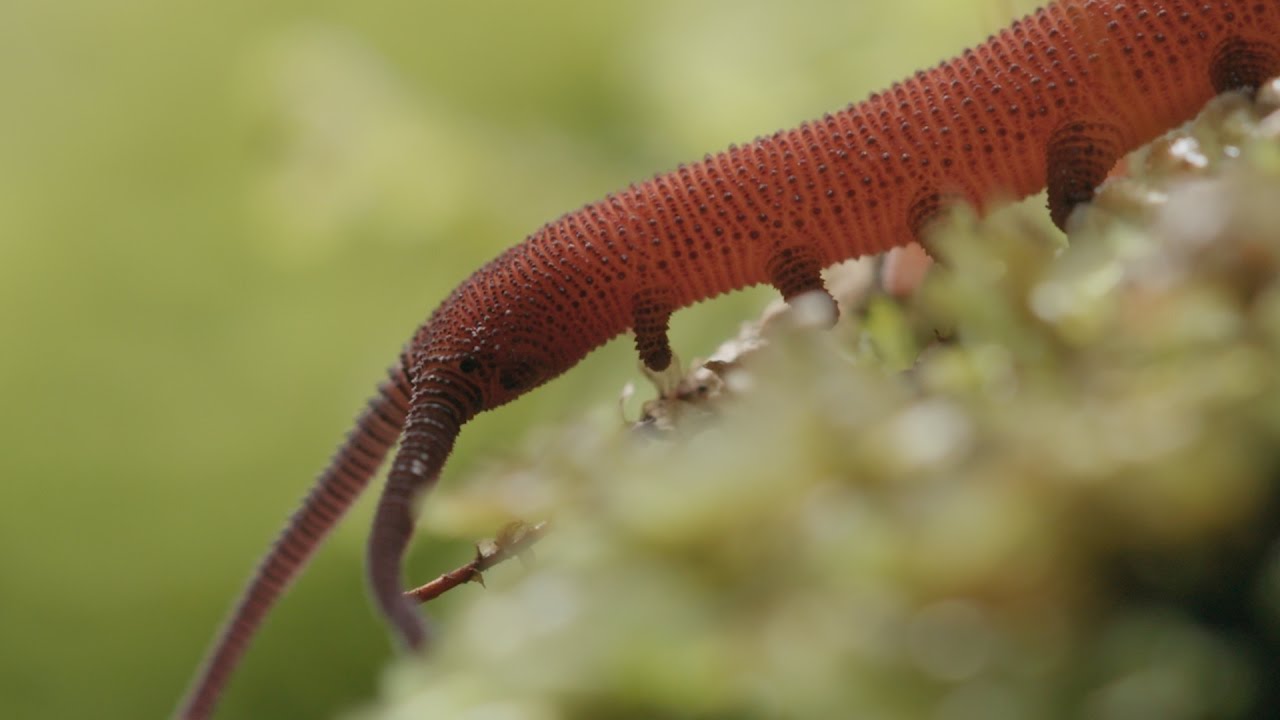
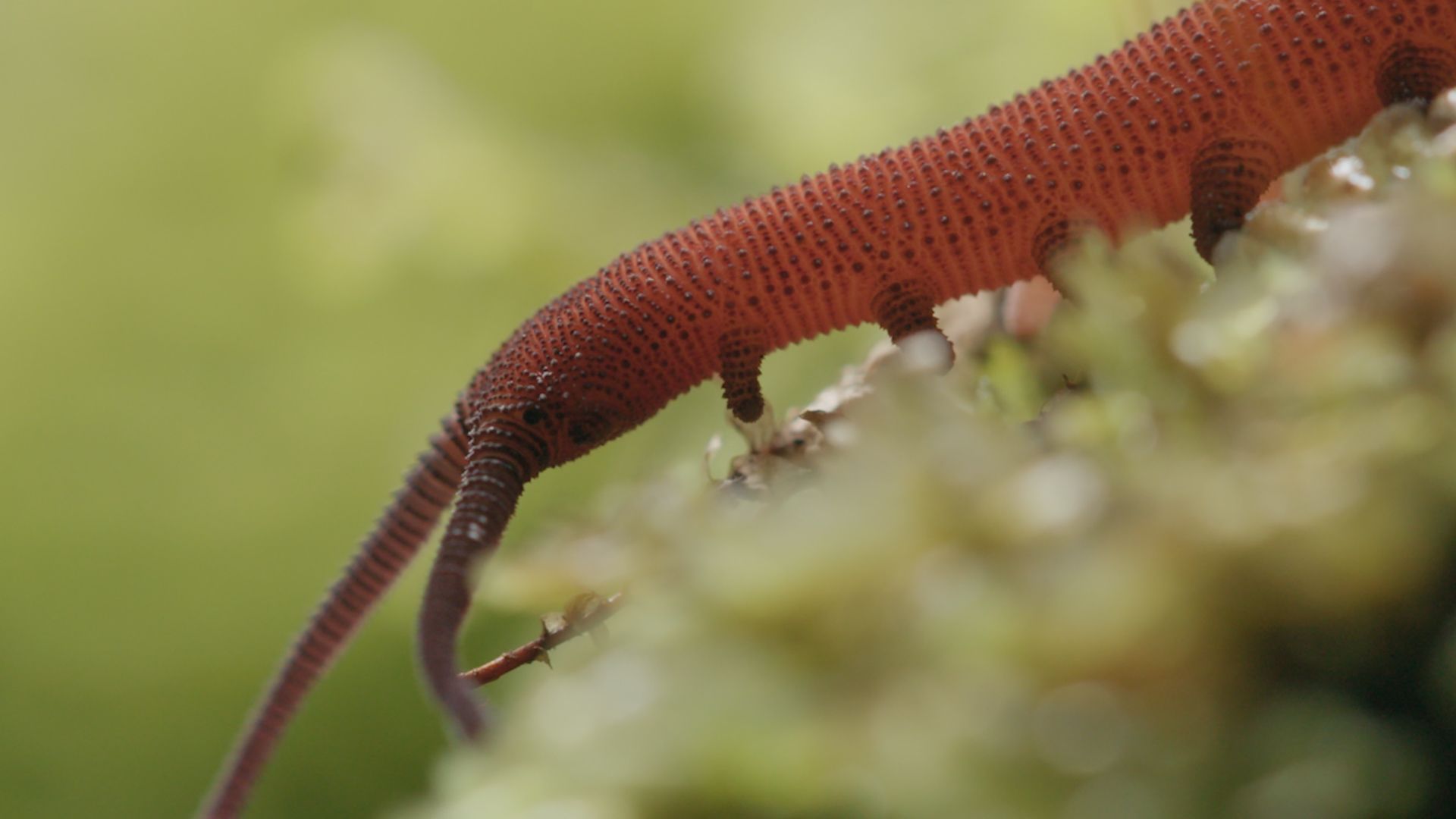
With their chubby bodies, soft, padded feet, and slow-motion gait, South American velvet worms appear pretty harmless. Unless they’re hungry, and you’re an insect. Over millennia, these ancient creatures have evolved a pair of hunting weapons unlike any other in nature: dual high-speed cannons capable of jetting viscous slime onto their prey from up to two feet away. Delivered with such power and speed, the velvet worm’s slime cannon takes the element of surprise to new levels. And because the goo is delivered through narrow, flexible tubes and expelled with such tremendous force, it can cover a vast area in a matter of milliseconds.
Until recently, biologists still didn’t know exactly how these slime cannons work. But then Andres Concha, a Chilean physicist who studies the physical mechanisms in biological systems, turned his attention to velvet worms. His goal: to better understand how fluids operate in the microscopic world. After collecting live specimens from southern Chile’s remote temperate rainforest, Concha and his team used high-speed cameras to film slime cannons in action. Their observations and measurements have provided new insights into the physics underlying this unique and deadly hunting tactic—and may one day lead to new biotechnology applications. Concha now applies his understanding of this mechanism—a unique adaptation that evolved some 500 million years ago—to construct working replicas of the slime cannons in his lab.
Hi, I’m Dave, the executive director of bioGraphic. (And that’s my dog, Finn.) Thanks for taking the time to read this story.
Stories like this simply don’t get produced without financial support from readers like you. bioGraphic is not backed by a private company or owned by a billionaire. It’s an independent, nonprofit magazine. And one-quarter of our annual budget comes directly from reader donations.
We need your support more than ever, as governments slash funding for conservation and scientific research, placing even more ecosystems and wildlife at risk around the world. At bioGraphic, we’re steadfastly shining a light on the threats to our planet’s incredible biodiversity. And we’re showcasing the hard work of people bravely taking action to protect at-risk species.
bioGraphic publishes environmental reporting that you can’t find anywhere else: deeply researched, trustworthy stories that are also beautiful and captivating to read. We offer an antidote to reader apathy and doom-and-gloom news by revealing the wonders of the natural world and focusing on real solutions to big problems. When you finish a bioGraphic story, we want to leave you feeling informed, delighted, and inspired.
We don’t run ads or hide our stories behind a paywall. The readers who generously support bioGraphic allow our work to remain free for everyone.
Will you help us keep telling these crucial stories?

Related Articles
Lens of Time: Witch Hazels Take Flight
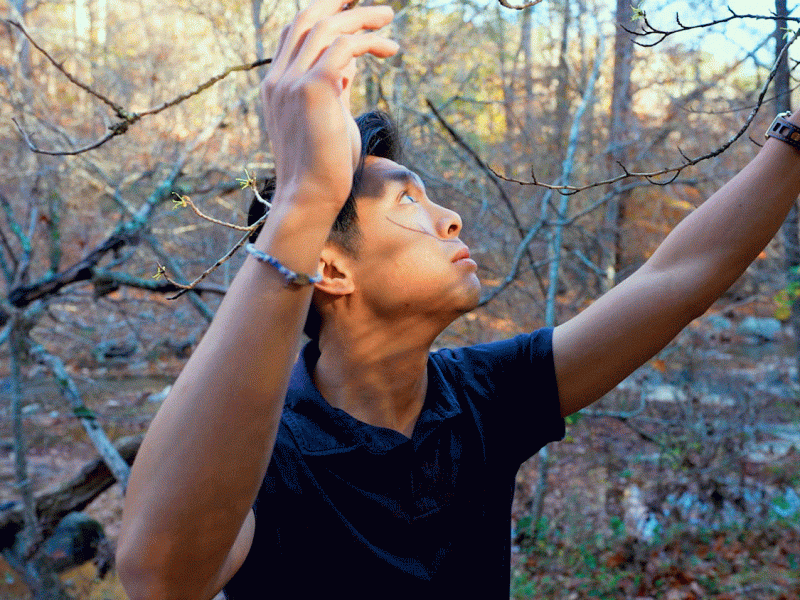
Investigating the mechanics of seed dispersal in an unusual shrub in eastern North America has revealed that some plants have powers of propulsion equal to the planet’s fastest animals.
Lens of Time: A Watershed in Motion
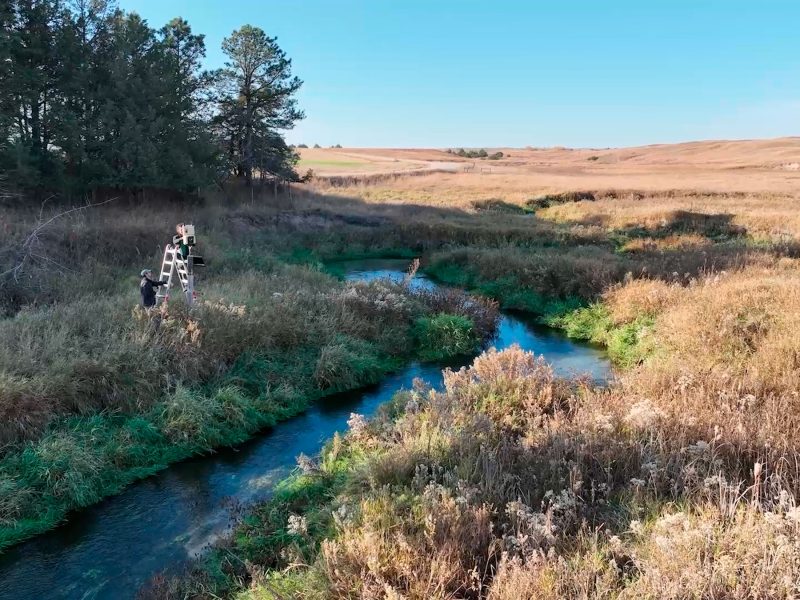
Where does our water come from, how do the variations in its flow affect the ecosystems it feeds, and how can time-lapse photography help land managers understand and protect this valuable resource?
Lens of Time: Tiny Fliers
As ubiquitous as flight may be in the natural world, it turns out not all flying creatures approach the feat in quite the same way.