An Eye for a Fly
The black caiman is one of the Amazon’s fiercest predators, but against this tiny nuisance it’s defenseless.


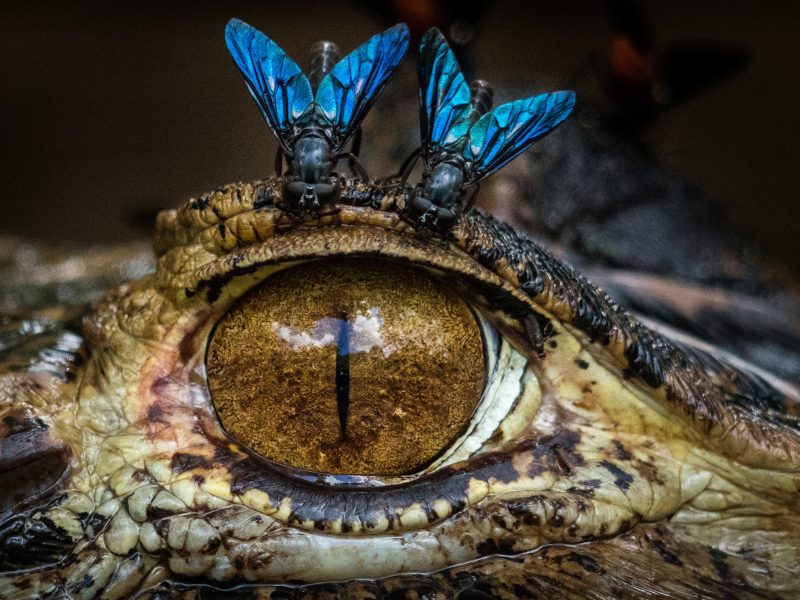
The black caiman is one of the Amazon’s fiercest predators, but against this tiny nuisance it’s defenseless.
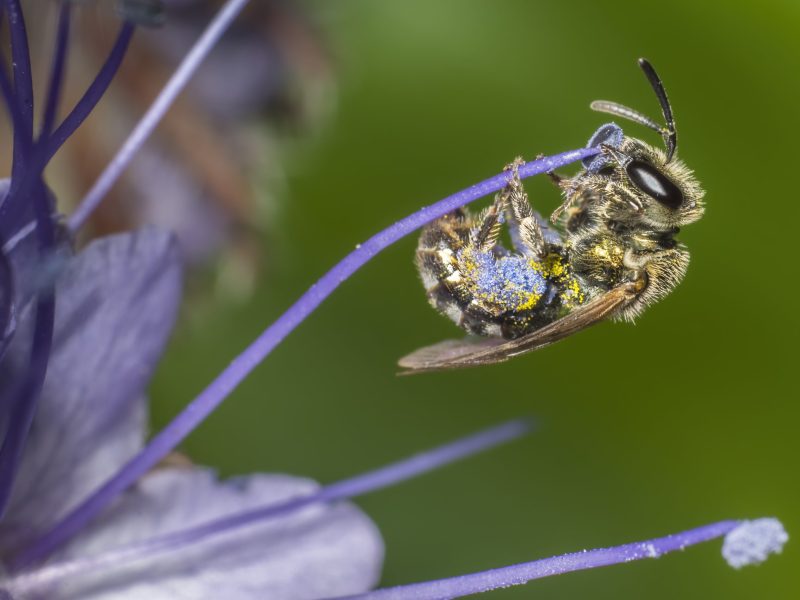
The tiny but mighty Smeathman’s furrow bee has learned to live alongside its human neighbors, taking up residence in unlikely places.

The striped slender robberfly may look peaceful at rest, but don’t underestimate this stealthy predator of the British grasslands.

In Tanzania’s Gombe National Park, chimpanzee mothers keep their offspring close—for years—teaching them what they need to know. They’ve taught us a great deal, too.

In Mozambique’s Gorongosa National Park, veterinarians provide a crucial helping hand in the recovery of one of the world’s most endangered creatures.

Pesky or adorable as it may be, roughhousing with her sleepy mom is an important way for this leopard cub to learn crucial survival skills.

The Iberian lynx—one of the world’s most endangered cats—made a giant leap toward a comeback in just a few years, easing the way for other species to follow in its path.

Swaddled symbols of hope and regeneration, orphaned flying foxes rest up and grow, preparing for their role as some of Australia’s most important forest stewards.

Tiny, shape-shifting slime molds have an outsized influence on the cycle of life.

In a biodiversity wonderland hardly known outside South Africa, a decades-long effort to restore native fish and their streams is starting to pay off—but new trouble could undermine this fragile comeback.