
Photograph by Suzi Eszterhas
Story by April Reese
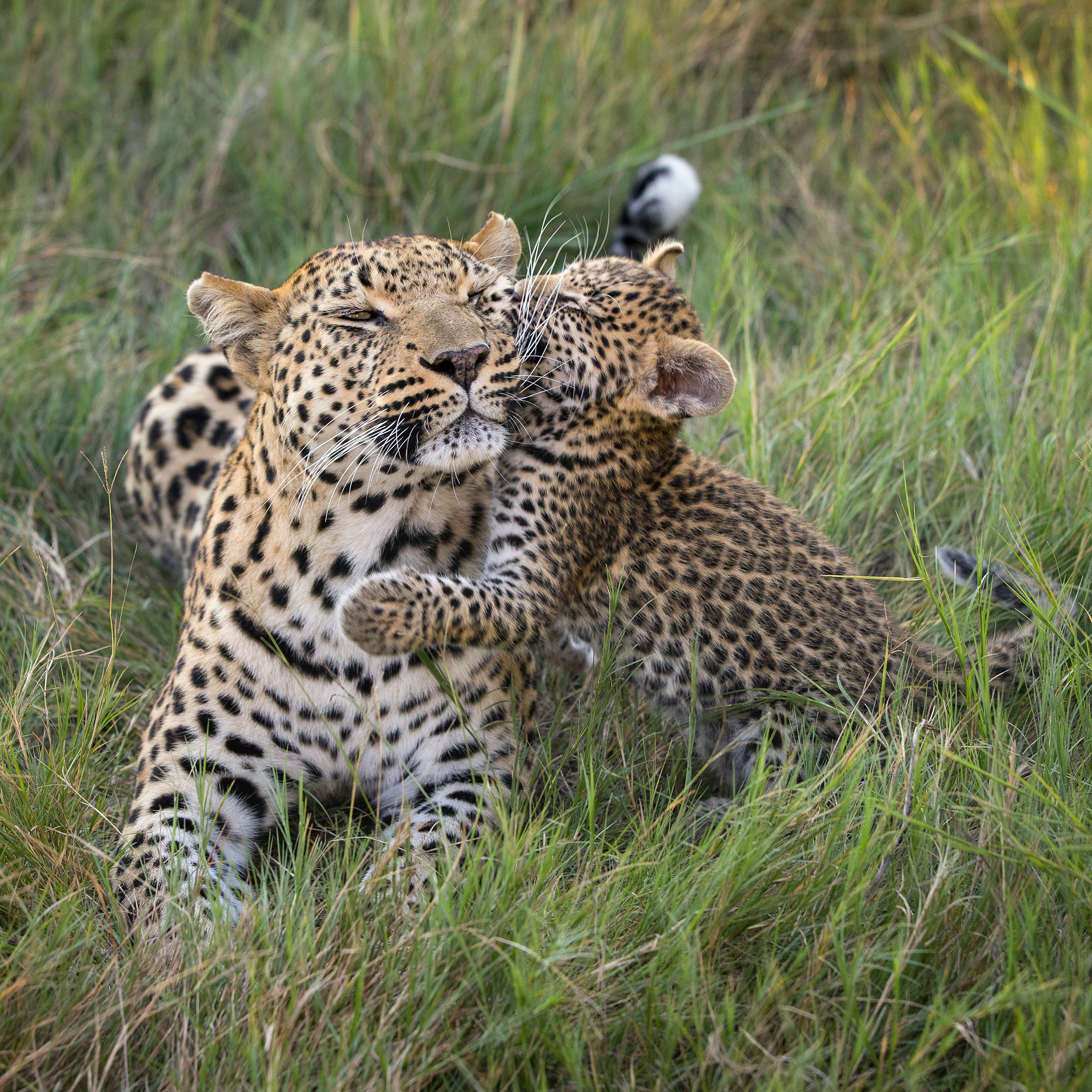
Mothers routinely put up with a lot from their offspring. Like most mammal babes, African leopard cubs (Panthera pardus) love to play—and their moms are often on the receiving end of their frolicking. When photographer Suzi Eszterhas came across this mother and her cubs in Botswana’s Okavango Delta, she was struck by the feline’s patience amidst her offspring’s onslaught.
“The cubs seemed absolutely obsessed with pouncing on their mother’s head,” Eszterhas said. “Taking any opportunity they could for an ambush, they made it rather difficult for her to get any rest.” Sometimes, she would gently retaliate, Eszterhas recalled. “She was always tender with them, but sometimes they were still taken aback.”
Like so many behaviors in nature, this rambunctiousness serves a critical role in development—practice for what lies ahead. By the time this cub is grown, it will need to take down prey—some, such as baboons, much larger than itself—with a well-placed bite to the neck. An adult leopard might stalk an animal for miles, but when it’s time to strike, precision is everything.
Cubs get their first taste of meat early on, when they’re just six or seven weeks old. Until then, the mother keeps them hidden, moving them around from place to place until they are ready to learn to hunt. At about three months, the cubs are fully weaned, but will continue to live and hunt with their mother until they’re about two years old.
Eszterhas considers herself lucky to have witnessed this scene between a leopard mom known as the “Camp Female” and her cubs in the 148,000-acre Jao Reserve. While leopards are common in Botswana, the cats tend to stay out of sight, especially when raising their young. Protected from poaching and harassment, the leopards of the Jao Reserve are unusually relaxed. “This Camp Female grew up around safari vehicles behaving responsibly,” Eszterhas said. “Without this history and trust, this leopard project would not have been possible.”
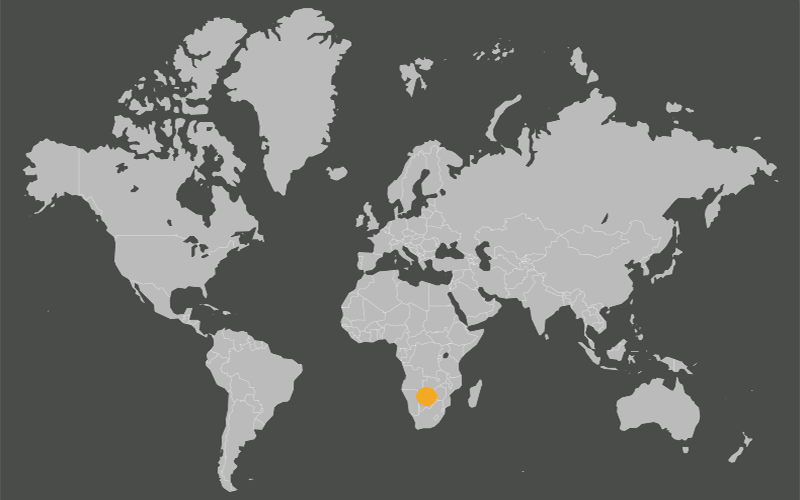
Jao Reserve, Botswana
Hi, I’m Dave, the executive director of bioGraphic. (And that’s my dog, Finn.) Thanks for taking the time to read this story.
Stories like this simply don’t get produced without financial support from readers like you. bioGraphic is not backed by a private company or owned by a billionaire. It’s an independent, nonprofit magazine. And one-quarter of our annual budget comes directly from reader donations.
We need your support more than ever, as governments slash funding for conservation and scientific research, placing even more ecosystems and wildlife at risk around the world. At bioGraphic, we’re steadfastly shining a light on the threats to our planet’s incredible biodiversity. And we’re showcasing the hard work of people bravely taking action to protect at-risk species.
bioGraphic publishes environmental reporting that you can’t find anywhere else: deeply researched, trustworthy stories that are also beautiful and captivating to read. We offer an antidote to reader apathy and doom-and-gloom news by revealing the wonders of the natural world and focusing on real solutions to big problems. When you finish a bioGraphic story, we want to leave you feeling informed, delighted, and inspired.
We don’t run ads or hide our stories behind a paywall. The readers who generously support bioGraphic allow our work to remain free for everyone.
Will you help us keep telling these crucial stories?

Authors


Related Articles
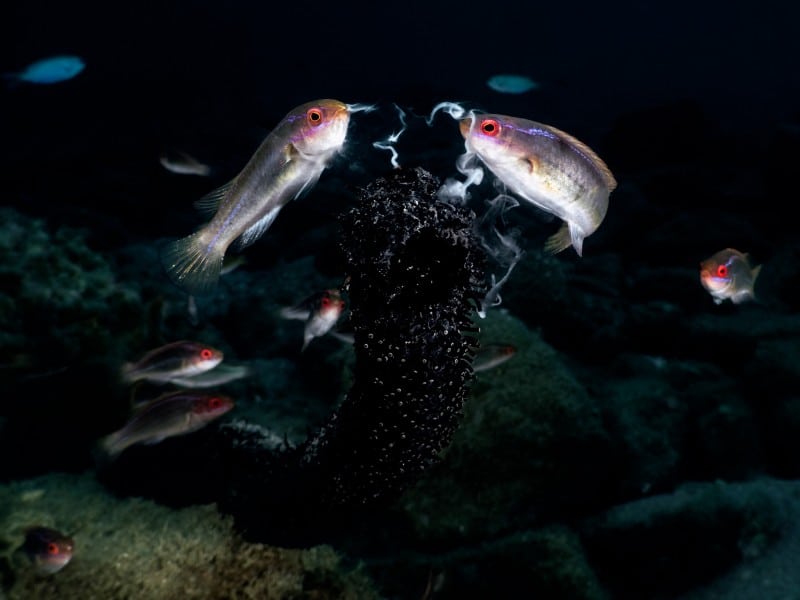
Milt Meal
Marine creatures will do almost anything for a meal—including feasting on the sperm and eggs of spawning invertebrates.
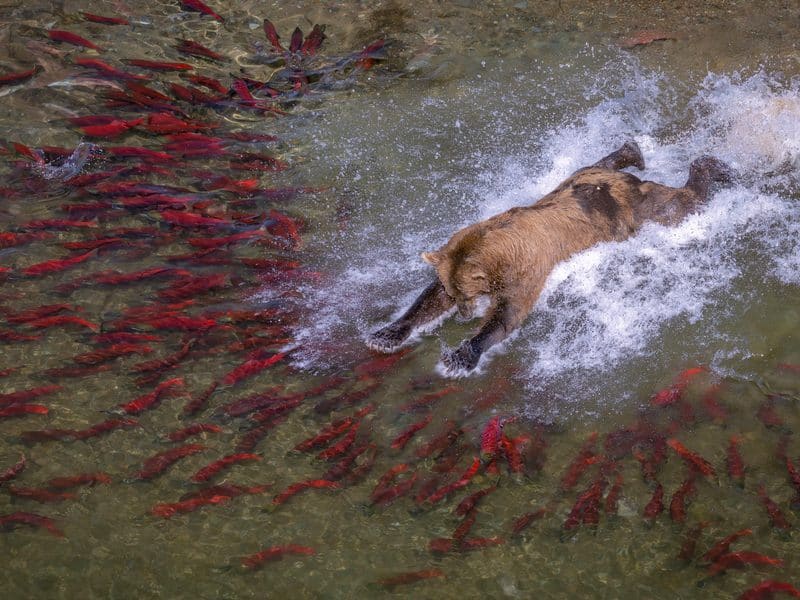
The Art of the Catch
To bulk up for winter hibernation, Alaska’s brown bears employ a range of techniques for snaring salmon.
The Wonder of a Pale Whale
A curious calf with an atypical birthday suit is a good sign for southern right whales.