Burial at Sea
The whitemargin stargazer’s ghoulish, upturned face allows the fish to bury its body in sand and nearly disappear—while watching for its next unsuspecting meal.


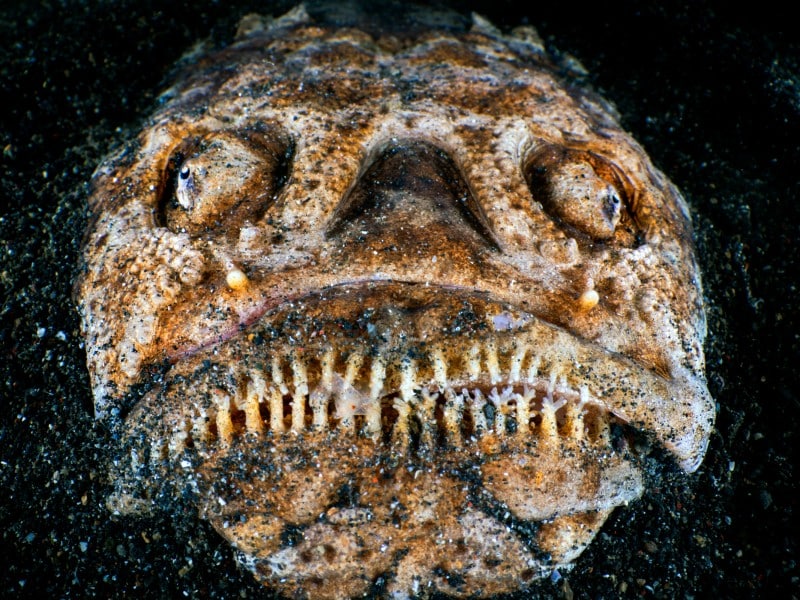
The whitemargin stargazer’s ghoulish, upturned face allows the fish to bury its body in sand and nearly disappear—while watching for its next unsuspecting meal.
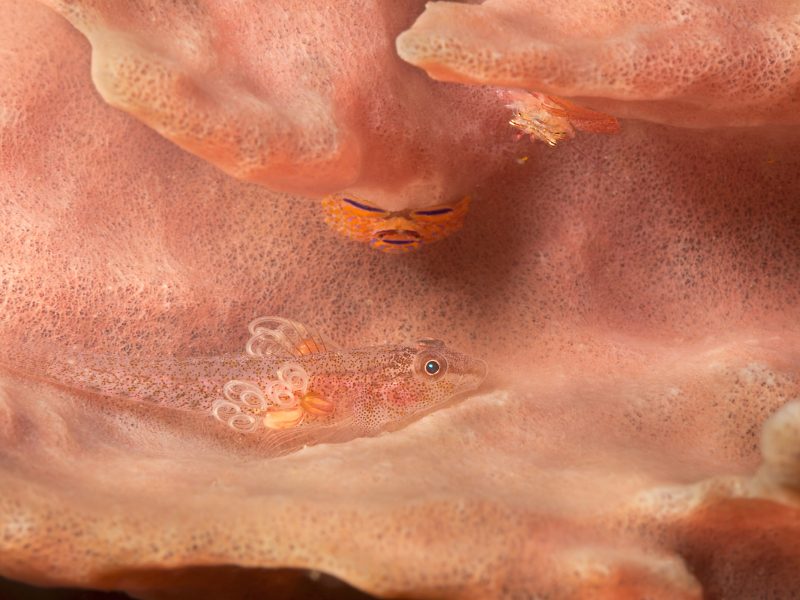
On a crowded coral reef, species often make their homes on top of one another (literally), living lives that are tightly intertwined both biologically and evolutionarily.
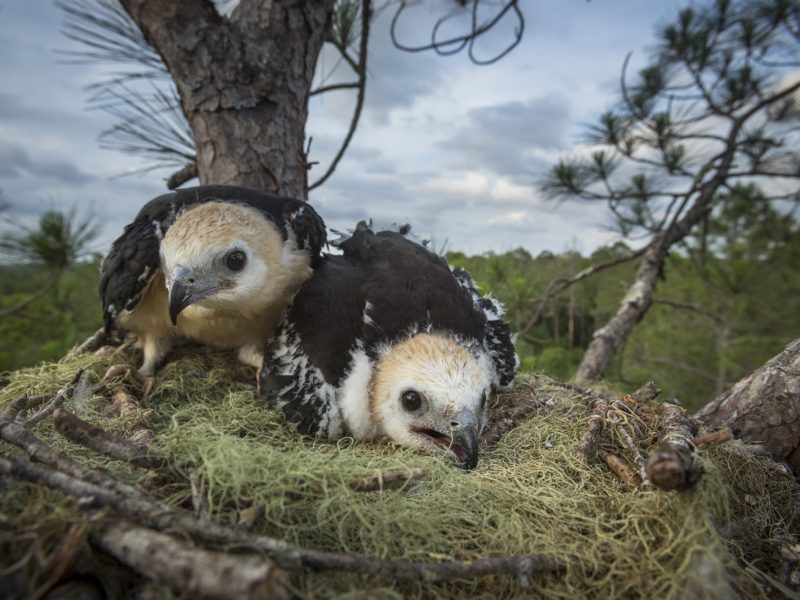
Swallow-tailed kites have lost much of their habitat in the southeastern United States, but thanks to an unlikely ally, their numbers are beginning to climb.
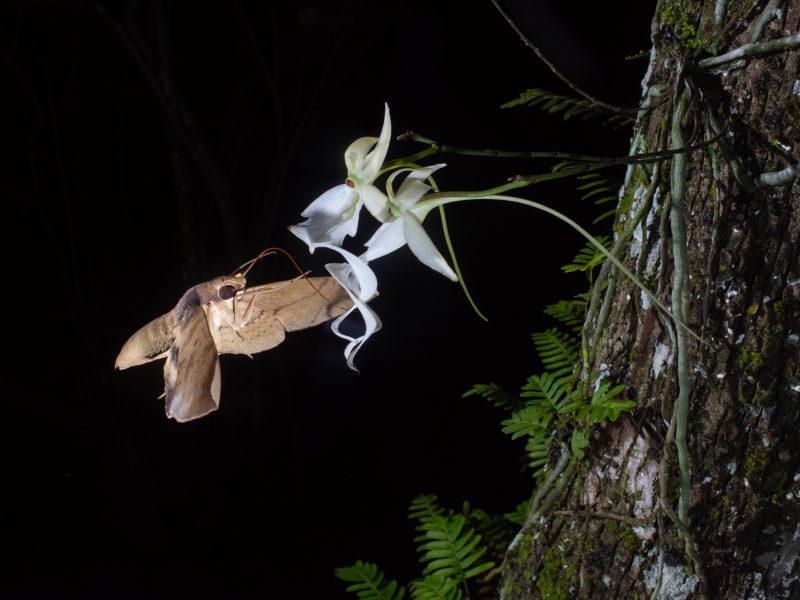
Clinging to survival in shrinking swamps, ghost orchids are so elusive that their pollinators have remained unknown—until now. One team’s findings may help to save both the flower and its threatened home.
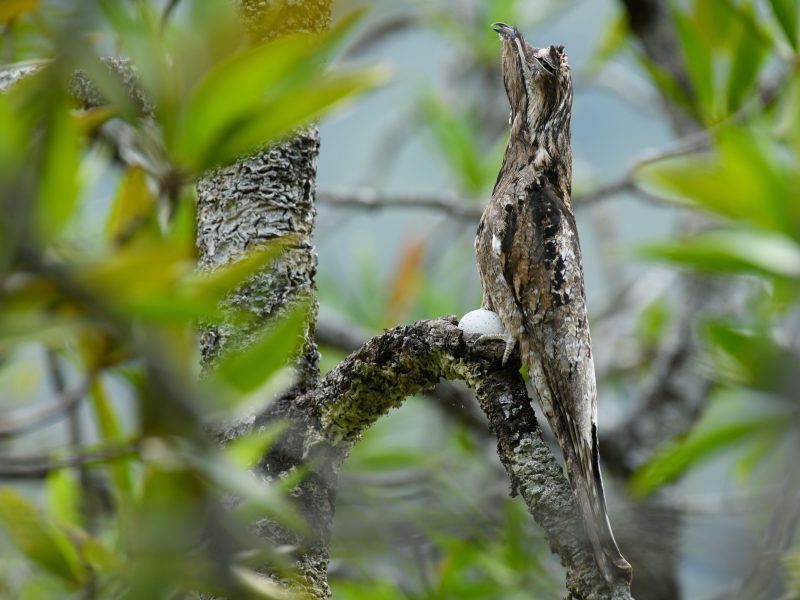
A master of disguise, this rainforest dweller doesn’t just wear the perfect outfit, it also performs the flawless impression of a tree branch.
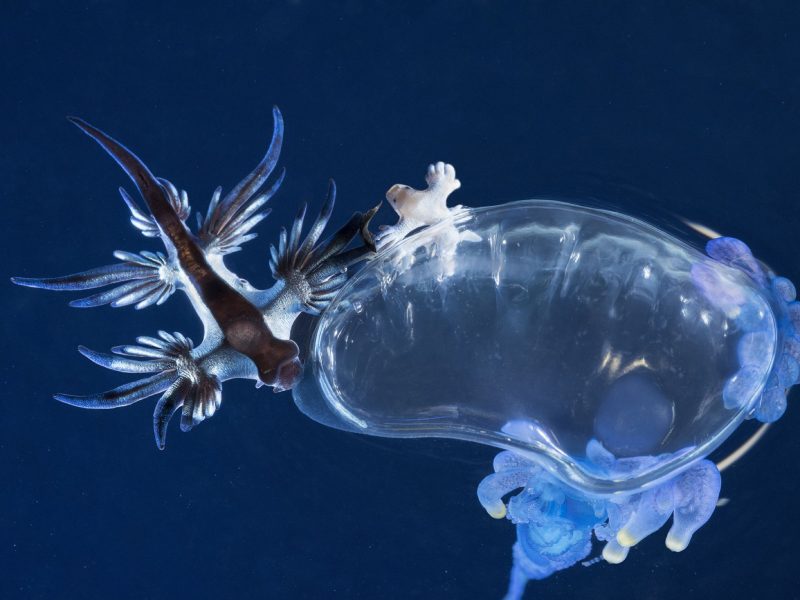
This picturesque battle between a blue dragon sea slug and a Portuguese man o’ war is a matter of life or death—for both parties.
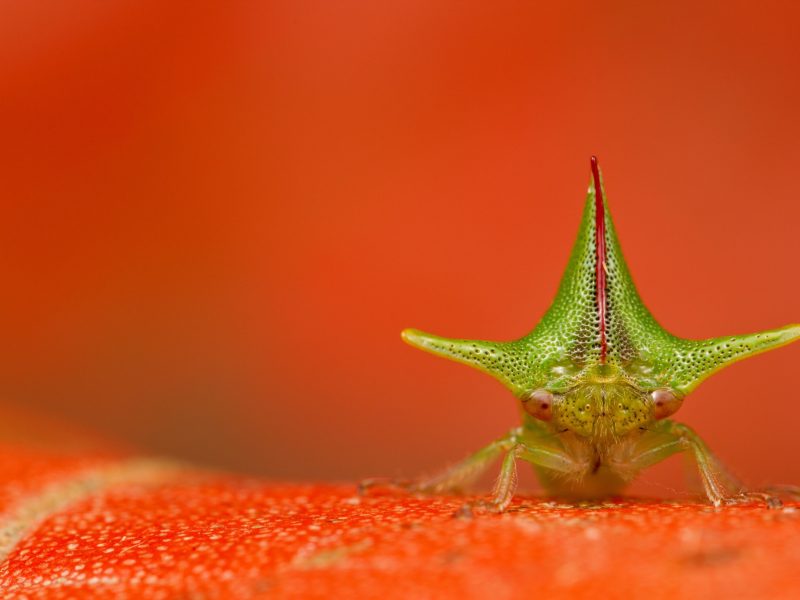
One of the most attentive of all insect parents, this tiny treehopper fiercely defends her offspring until they're fully grown, using her thorn-shaped headdress as both shield and intimidation tool.
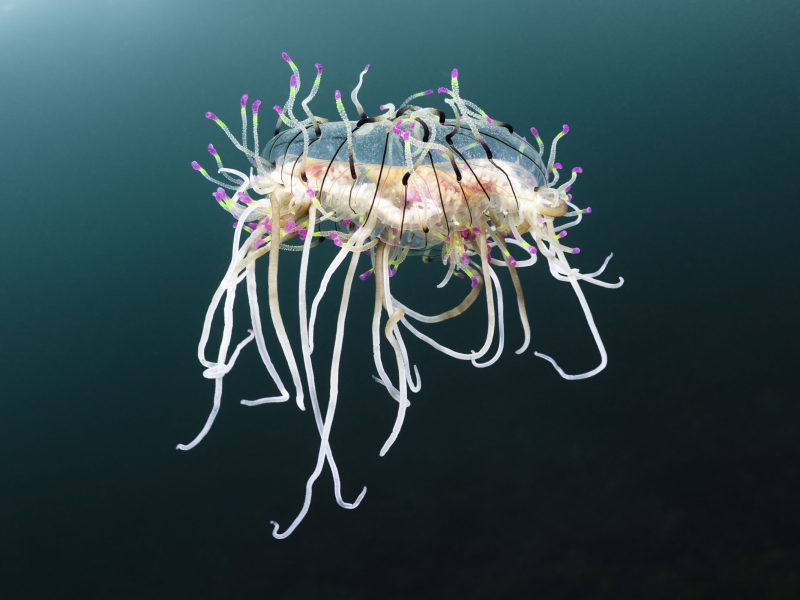
What looks like a flamboyant fashion accessory is actually this jelly's brilliant evolutionary strategy for attracting prey.
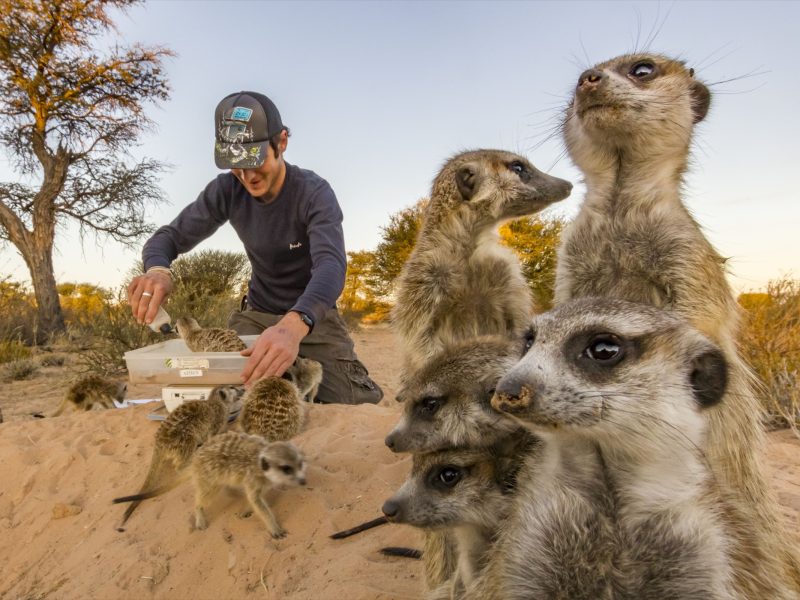
To understand how and why these highly social animals have evolved such complex systems of cooperation, scientists have resorted to a very simple strategy.
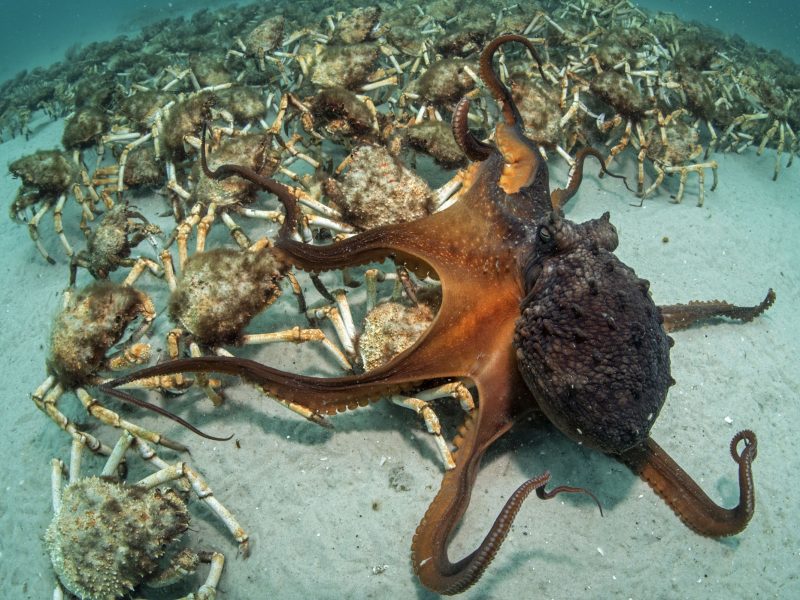
When an octopus known for its size and hunting prowess encounters a football-field-sized team of spider crabs, the outcome isn’t what you might expect.