

Produced by Annette Heist, Ruth Lichtman, and Flora Lichtman

Alongside the seagulls and shells on Massachusetts’s Cape Cod, observant beach-goers are occasionally lucky enough to stumble upon an earthstar (Astraeus sp.), a strange fungus that makes its living in New England’s coastal dunes. Above the sand, the fungus, sometimes called a “water-bearer” or “barometer” earthstar, is represented solely by its fruiting body, the structure responsible for reproduction. This structure normally remains shriveled into a tight ball. But when it gets wet, the earthstar’s “petals” unfurl to reveal a spore-filled puffball. Some species of earthstar can open and close many times over the course of their lifespan.
As fascinating as these above-ground events may be, they are only part of the earthstar’s complex life history. Underground, the fungus forms a partnership with a plant—in many cases the region’s ubiquitous pitch pine (Pinus rigida). Through specialized structures known as mycorrhizae that connect the two organisms, the earthstar and the plant exchange water and nutrients for carbohydrates. This trade of goods allows both partners to survive in this austere environment, and, in turn, helps to stabilize the dunes that coastal communities and countless organisms rely upon.
Hi, I’m Dave, the executive director of bioGraphic. (And that’s my dog, Finn.) Thanks for taking the time to read this story.
Stories like this simply don’t get produced without financial support from readers like you. bioGraphic is not backed by a private company or owned by a billionaire. It’s an independent, nonprofit magazine. And one-quarter of our annual budget comes directly from reader donations.
We need your support more than ever, as governments slash funding for conservation and scientific research, placing even more ecosystems and wildlife at risk around the world. At bioGraphic, we’re steadfastly shining a light on the threats to our planet’s incredible biodiversity. And we’re showcasing the hard work of people bravely taking action to protect at-risk species.
bioGraphic publishes environmental reporting that you can’t find anywhere else: deeply researched, trustworthy stories that are also beautiful and captivating to read. We offer an antidote to reader apathy and doom-and-gloom news by revealing the wonders of the natural world and focusing on real solutions to big problems. When you finish a bioGraphic story, we want to leave you feeling informed, delighted, and inspired.
We don’t run ads or hide our stories behind a paywall. The readers who generously support bioGraphic allow our work to remain free for everyone.
Will you help us keep telling these crucial stories?

Related Articles
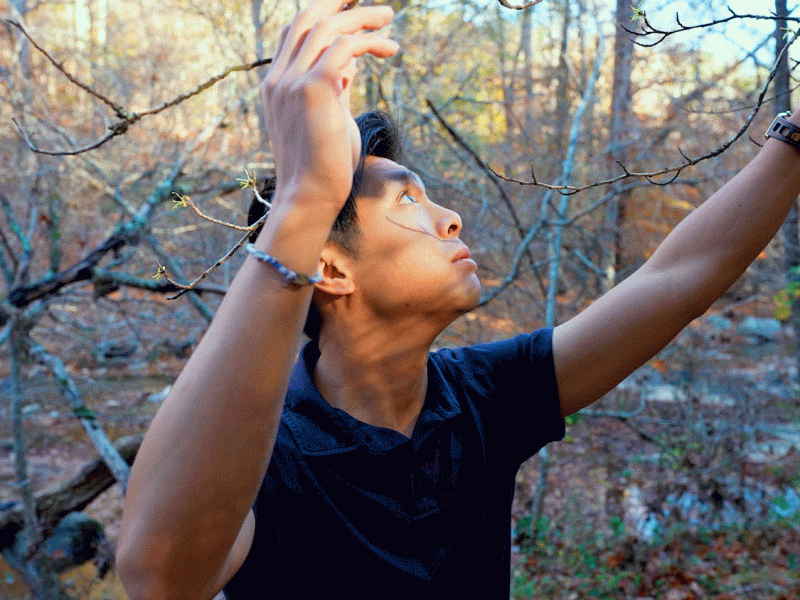
Lens of Time: Witch Hazels Take Flight
Investigating the mechanics of seed dispersal in an unusual shrub in eastern North America has revealed that some plants have powers of propulsion equal to the planet’s fastest animals.
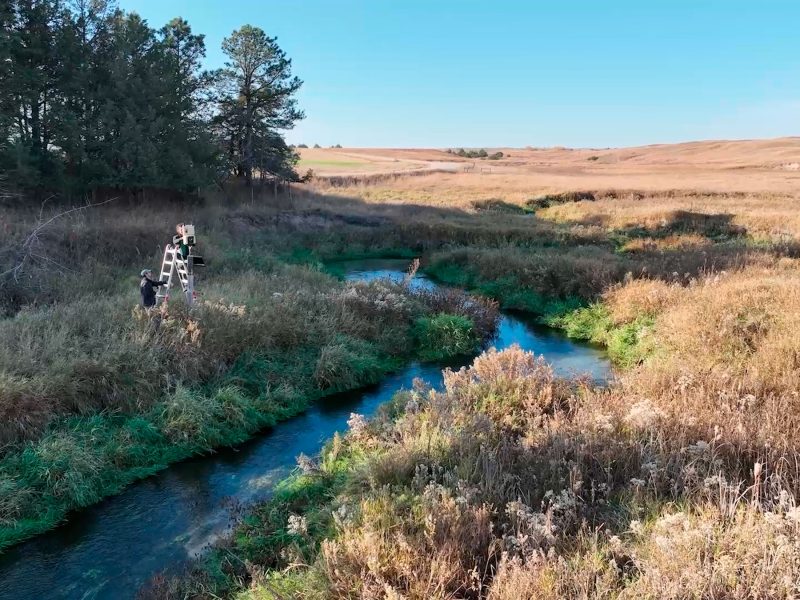
Lens of Time: A Watershed in Motion
Where does our water come from, how do the variations in its flow affect the ecosystems it feeds, and how can time-lapse photography help land managers understand and protect this valuable resource?
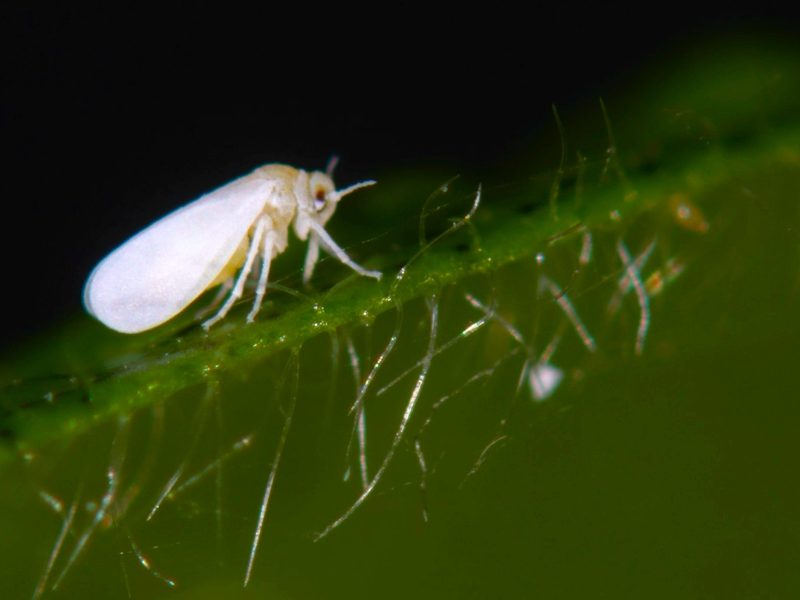
Lens of Time: Tiny Fliers
As ubiquitous as flight may be in the natural world, it turns out not all flying creatures approach the feat in quite the same way.
