The Rainforest Next Door
Just minutes from a major metropolis, Malaysia’s Penang Hill rainforest boasts some of the richest backyard biodiversity on the planet.

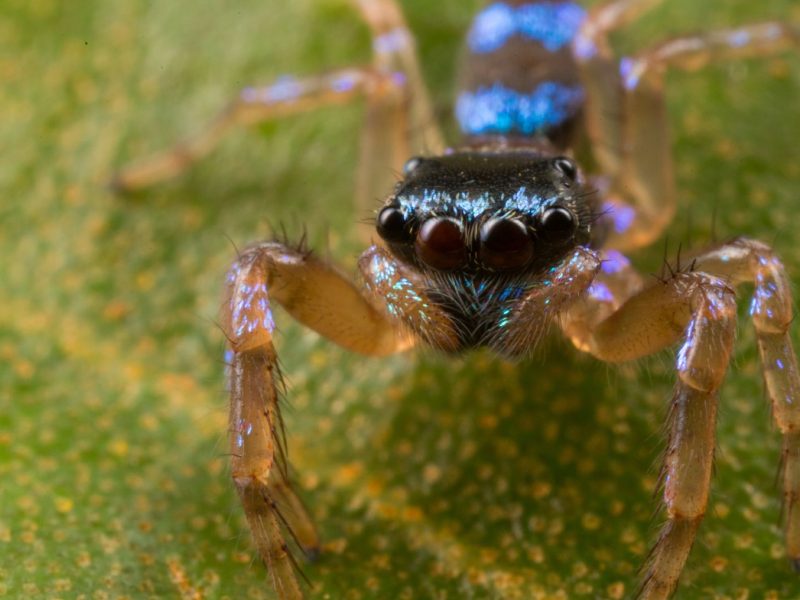
Just minutes from a major metropolis, Malaysia’s Penang Hill rainforest boasts some of the richest backyard biodiversity on the planet.
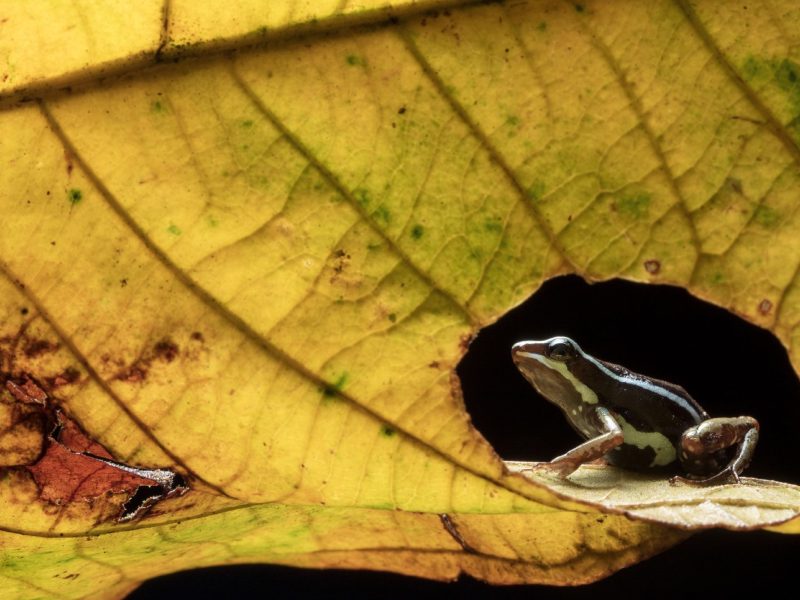
Portrait-worthy for more than just its beauty, this toxic frog may revolutionize our approach to pain management.
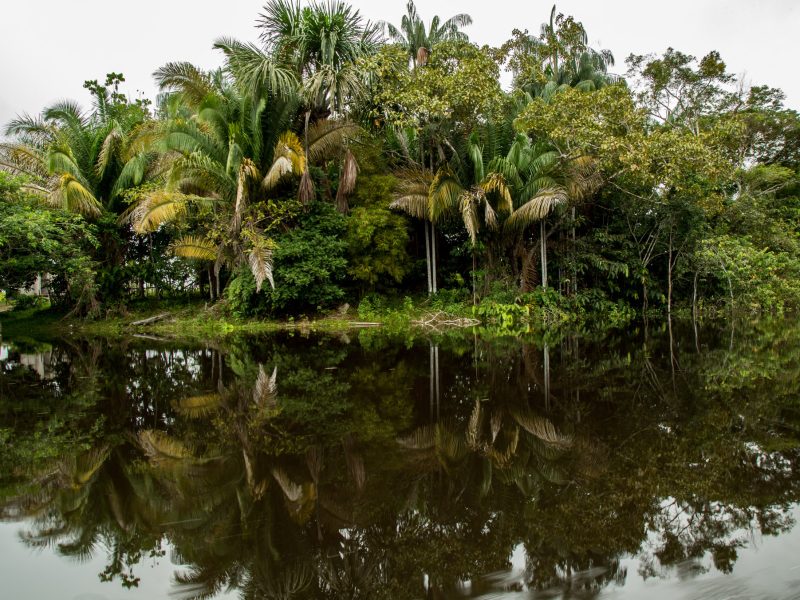
On a quest to find a missing primate, a team of scientists discovers that sometimes maps tell only the smallest part of the story.

A fateful crossing of the Congo River by ancestral apes led to the rise of the modern bonobo.
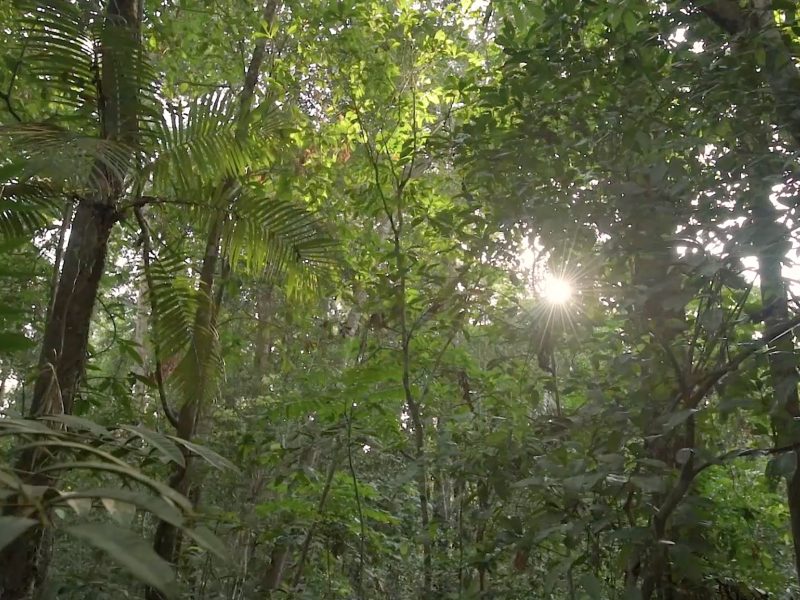
The Amazon rainforest faces myriad threats. But this iconic ecosystem—one of Earth's most important natural resources—may be more resilient than scientists ever expected.

A tropical rainforest’s ability to take a deep breath depends in large part on a somewhat surprising factor—the age of its leaves.
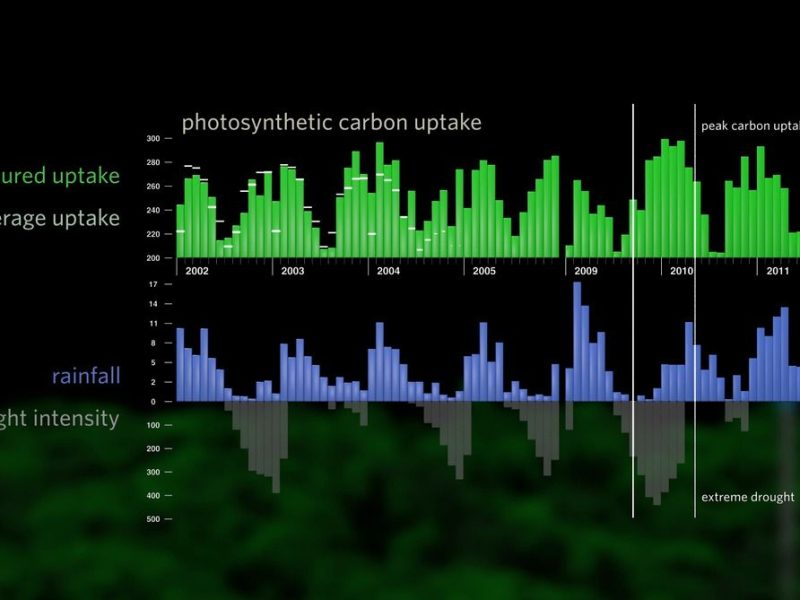
Armed with a suite of high-tech tools, scientists are measuring the flow of gases into and out of the Amazon rainforest to understand how this iconic ecosystem responds to seasonal and climatic shifts.
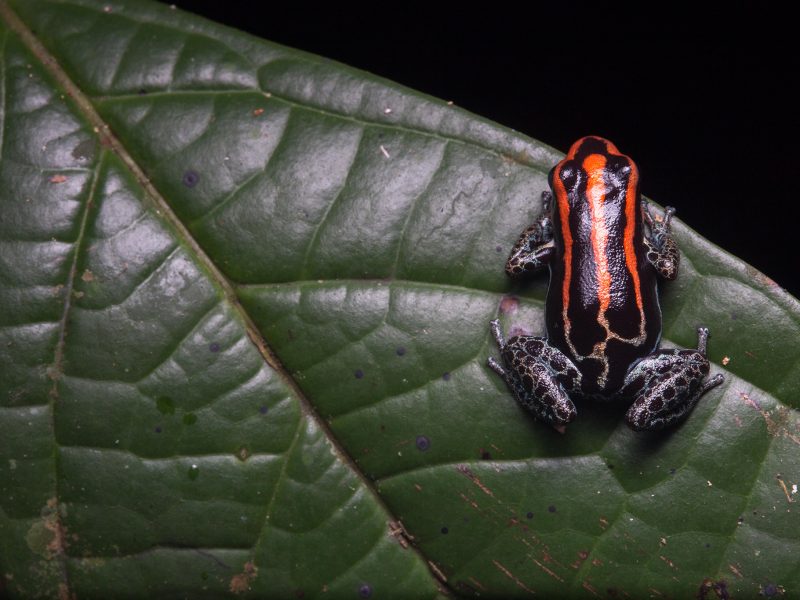
Ecuador's Yasuní National Park may be the world's richest rainforest. What will become of it now that oil extraction has begun?

It took decades to hammer out a landmark conservation deal to save Canada’s Great Bear Rainforest. Now the real work begins.

We see so many troubling stories about the environment that the occasional bit of good news usually comes as a surprise. But there’s more to be hopeful about than many people realize.