
Produced by Day’s Edge Production

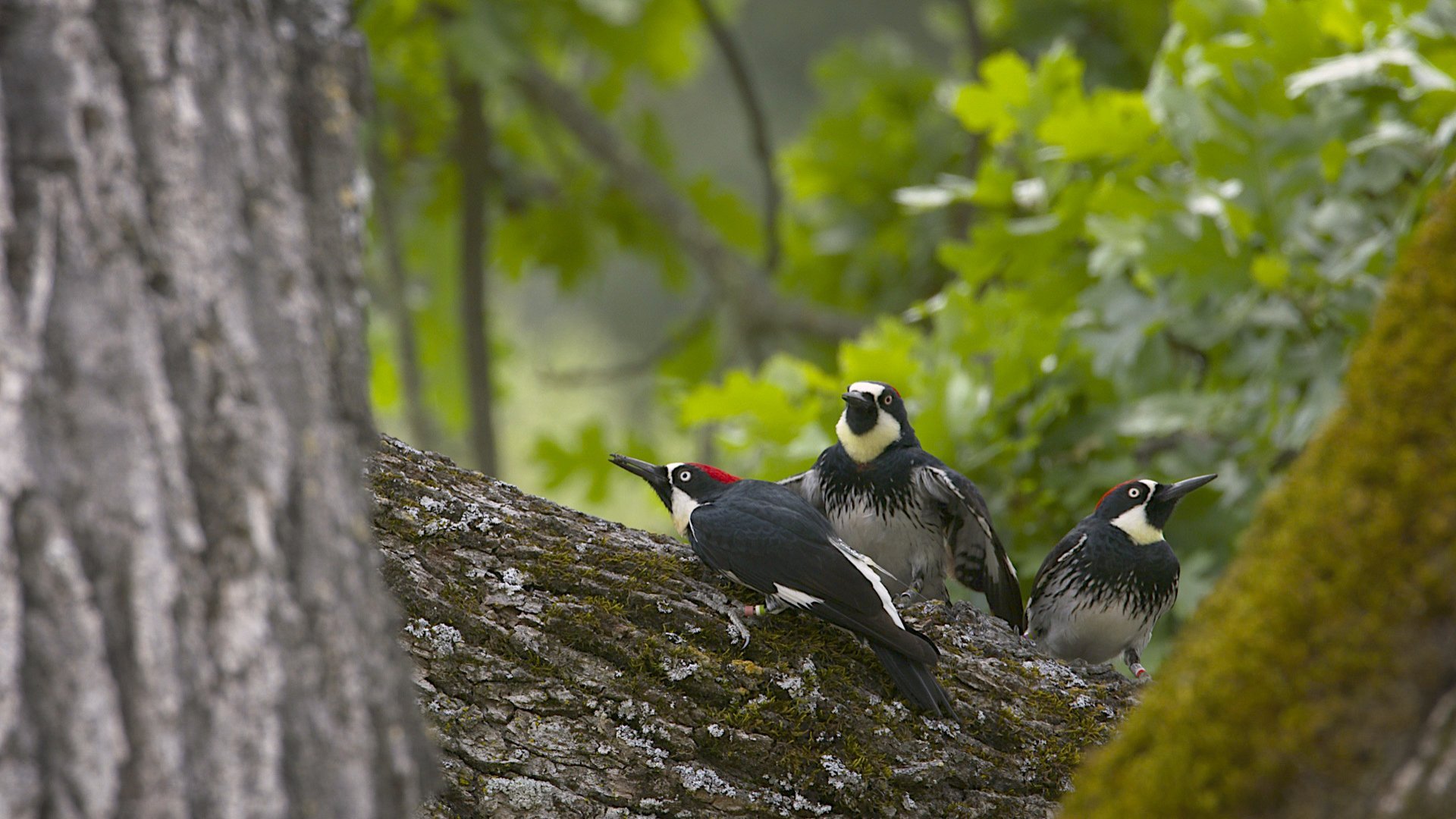
Acorn woodpeckers (Melanerpes formicivorus) aren’t exactly shrinking violets. Between their bold plumage and exuberant calls, the birds practically scream for attention. (Famed animator Walter Lantz once claimed that his best-known cartoon creation, Woody Woodpecker, was inspired by a particularly intrusive acorn woodpecker that wouldn’t stop pecking on the roof of his cabin—during his honeymoon!) But these charismatic birds are notable for much more than just their first impression. As their name implies, acorn woodpeckers rely heavily on acorns for sustenance. To make sure this seasonal resource remains available throughout the year, the birds build enormous “granaries” by drilling thousands of holes into their oak-tree homes and stashing a single nut securely inside each hole. Since just one of these holes takes an average of 20 minutes to drill, the birds fiercely defend their granaries, and reuse them from year to year. The largest granary found to date was riddled with individual compartments for more than 50,000 acorns.
Unlike other woodpeckers—or virtually any other birds—acorn woodpeckers live in complex family groups numbering up to 15 adults, all of which work together to raise chicks in a single nest. This surprising discovery led scientists in the 1920s to declare that there was “communism” at play in the species. Biologist Walter Koenig, a professor emeritus at Cornell University, has been studying acorn woodpeckers at the Hastings Natural History Reservation in Carmel Valley, California for more than 40 years to better understand this complex social structure. Every summer, Koenig and his colleagues capture and band hundreds of new woodpecker chicks. Using color-coded leg bands, the researchers are able to identify and follow individual birds and their families year after year. The huge dataset they have amassed over four decades—which now includes genetic data to help the scientists better understand relatedness among individuals—has yielded surprising answers to one of evolutionary biology’s biggest questions: Why cooperate?
Hi, I’m Dave, the executive director of bioGraphic. (And that’s my dog, Finn.) Thanks for taking the time to read this story.
Stories like this simply don’t get produced without financial support from readers like you. bioGraphic is not backed by a private company or owned by a billionaire. It’s an independent, nonprofit magazine. And one-quarter of our annual budget comes directly from reader donations.
We need your support more than ever, as governments slash funding for conservation and scientific research, placing even more ecosystems and wildlife at risk around the world. At bioGraphic, we’re steadfastly shining a light on the threats to our planet’s incredible biodiversity. And we’re showcasing the hard work of people bravely taking action to protect at-risk species.
bioGraphic publishes environmental reporting that you can’t find anywhere else: deeply researched, trustworthy stories that are also beautiful and captivating to read. We offer an antidote to reader apathy and doom-and-gloom news by revealing the wonders of the natural world and focusing on real solutions to big problems. When you finish a bioGraphic story, we want to leave you feeling informed, delighted, and inspired.
We don’t run ads or hide our stories behind a paywall. The readers who generously support bioGraphic allow our work to remain free for everyone.
Will you help us keep telling these crucial stories?

Author

Related Articles
Lens of Time: Witch Hazels Take Flight
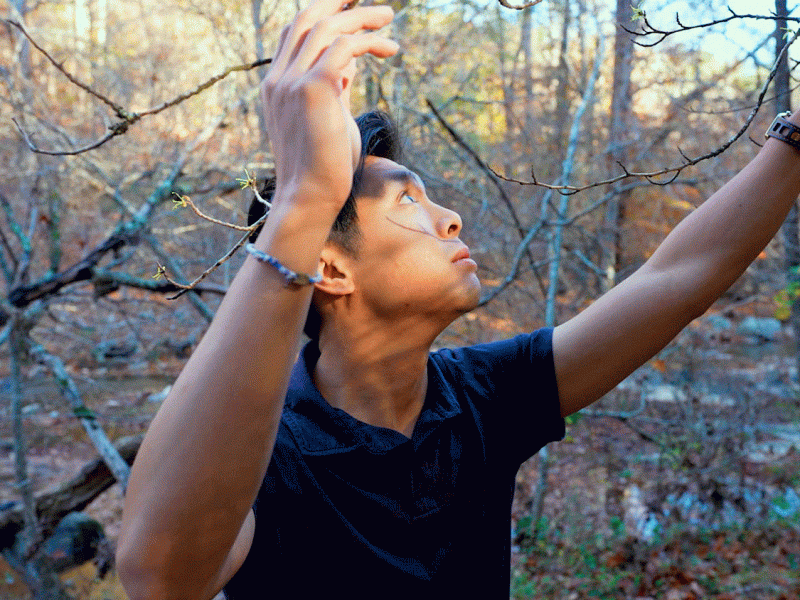
Investigating the mechanics of seed dispersal in an unusual shrub in eastern North America has revealed that some plants have powers of propulsion equal to the planet’s fastest animals.
Lens of Time: A Watershed in Motion
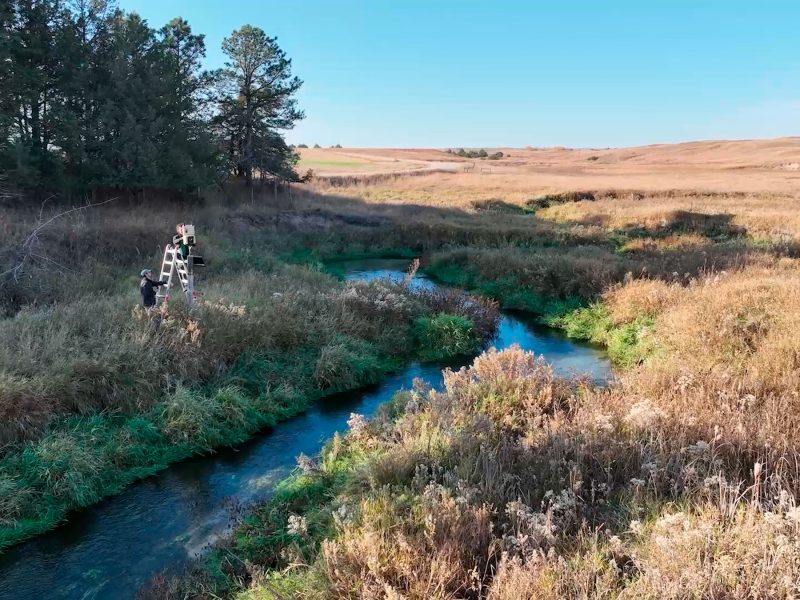
Where does our water come from, how do the variations in its flow affect the ecosystems it feeds, and how can time-lapse photography help land managers understand and protect this valuable resource?
Lens of Time: Tiny Fliers
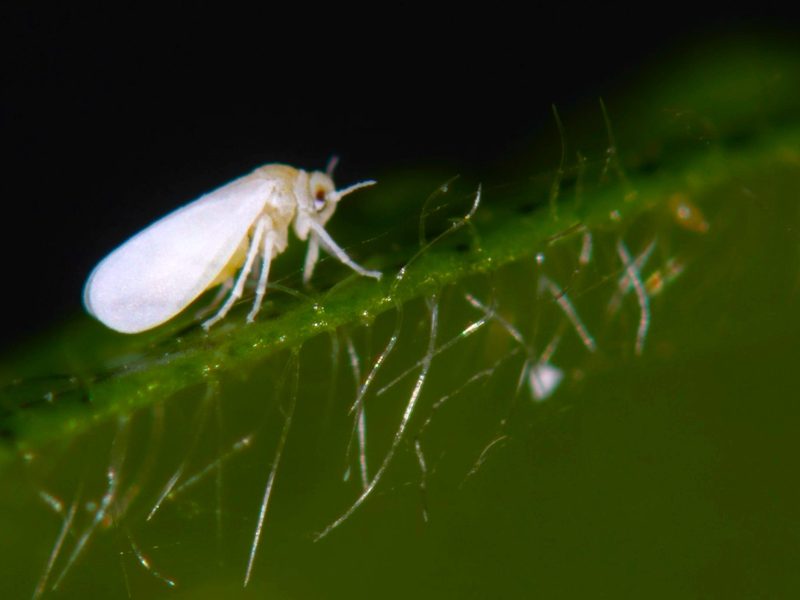
As ubiquitous as flight may be in the natural world, it turns out not all flying creatures approach the feat in quite the same way.