
Produced by Day’s Edge

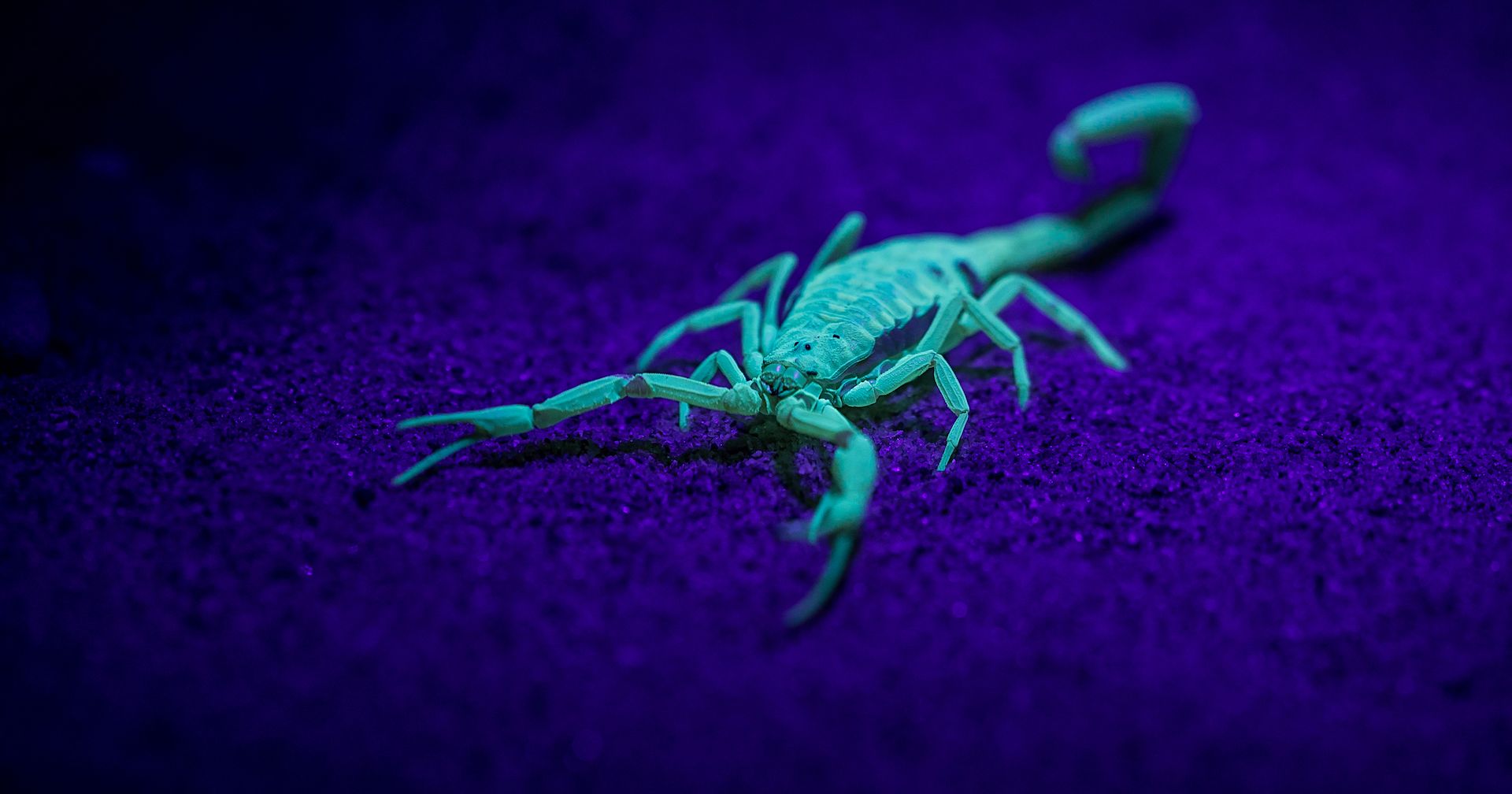
Scorpions have long been known for the menacing curve of their venomous tails, which can deliver notoriously painful stings to potential predators and prey alike. But it’s only been recently, with the advent of molecular analysis and rapid genetic sequencing, that scientists have been able to start decoding the complex chemical cocktails of the arachnids’ venom. Researchers can now identify not only the wide range of neurotoxins and enzymes that scorpion venoms contain, but also how these compounds are made, and how they affect their victims. This knowledge offers tremendous potential for the development of new drug therapies, and perhaps more urgently, for the development of new treatments for victims of scorpion stings.
Although the stings of most scorpions are harmless to humans, a select few can be fatal. Striped bark scorpions, a group of species found in the southwestern U.S. and northern Mexico, inflict on average 100,000 stings and, until recently, caused more than a thousand deaths each year in Mexico alone. While finding a treatment to this public health concern has been a driving force behind studies of bark scorpion venom, there was one very basic question that had scientists scratching their heads: Why and how would such a tiny creature pack such a lethal punch? Now, researchers from the University of Oklahoma and the California Academy of Sciences think they’ve found the answers in the interplay between a diminutive but dauntless predator—a mouse that has a particular taste for these venomous invertebrates—and the scorpions’ own genetic makeup.
Hi, I’m Dave, the executive director of bioGraphic. (And that’s my dog, Finn.) Thanks for taking the time to read this story.
Stories like this simply don’t get produced without financial support from readers like you. bioGraphic is not backed by a private company or owned by a billionaire. It’s an independent, nonprofit magazine. And one-quarter of our annual budget comes directly from reader donations.
We need your support more than ever, as governments slash funding for conservation and scientific research, placing even more ecosystems and wildlife at risk around the world. At bioGraphic, we’re steadfastly shining a light on the threats to our planet’s incredible biodiversity. And we’re showcasing the hard work of people bravely taking action to protect at-risk species.
bioGraphic publishes environmental reporting that you can’t find anywhere else: deeply researched, trustworthy stories that are also beautiful and captivating to read. We offer an antidote to reader apathy and doom-and-gloom news by revealing the wonders of the natural world and focusing on real solutions to big problems. When you finish a bioGraphic story, we want to leave you feeling informed, delighted, and inspired.
We don’t run ads or hide our stories behind a paywall. The readers who generously support bioGraphic allow our work to remain free for everyone.
Will you help us keep telling these crucial stories?

Author

Related Articles
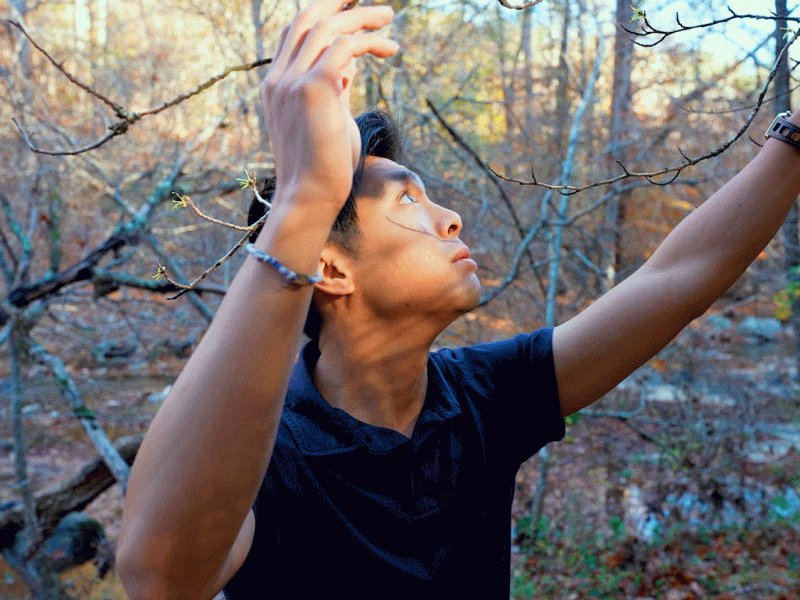
Lens of Time: Witch Hazels Take Flight
Investigating the mechanics of seed dispersal in an unusual shrub in eastern North America has revealed that some plants have powers of propulsion equal to the planet’s fastest animals.
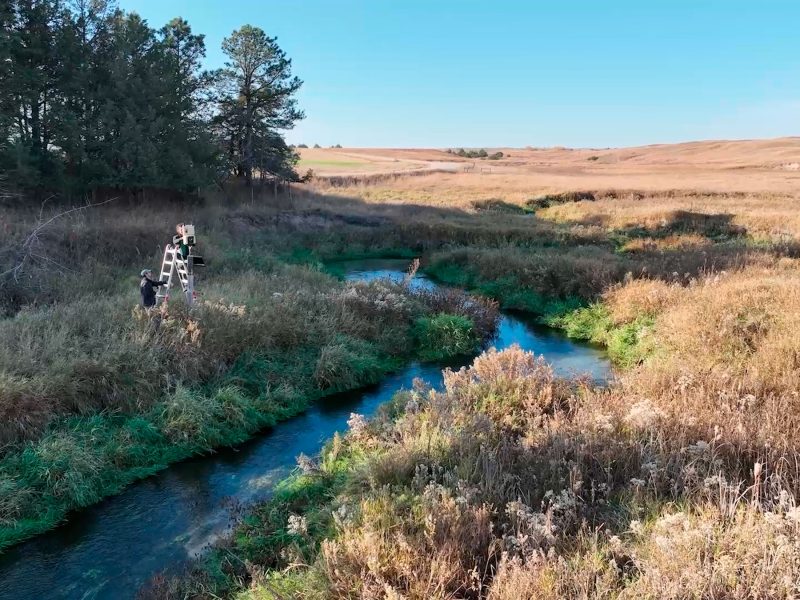
Lens of Time: A Watershed in Motion
Where does our water come from, how do the variations in its flow affect the ecosystems it feeds, and how can time-lapse photography help land managers understand and protect this valuable resource?
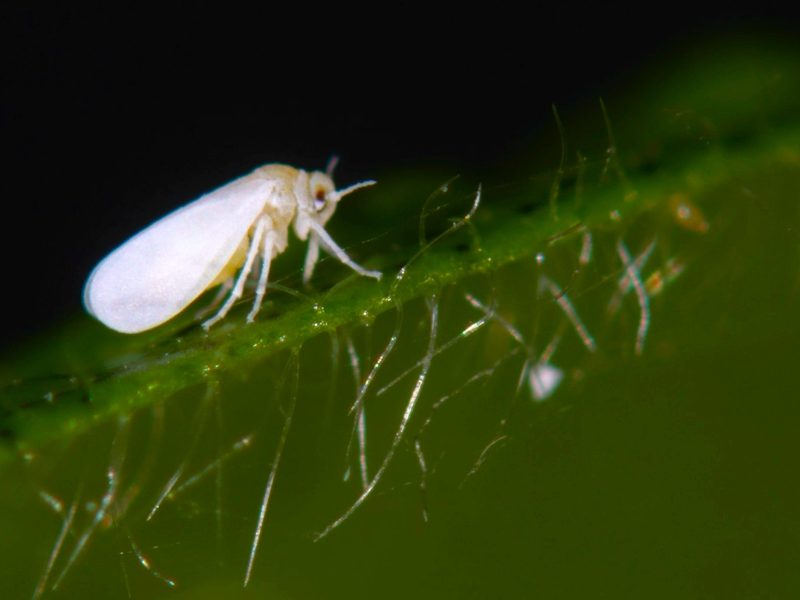
Lens of Time: Tiny Fliers
As ubiquitous as flight may be in the natural world, it turns out not all flying creatures approach the feat in quite the same way.