
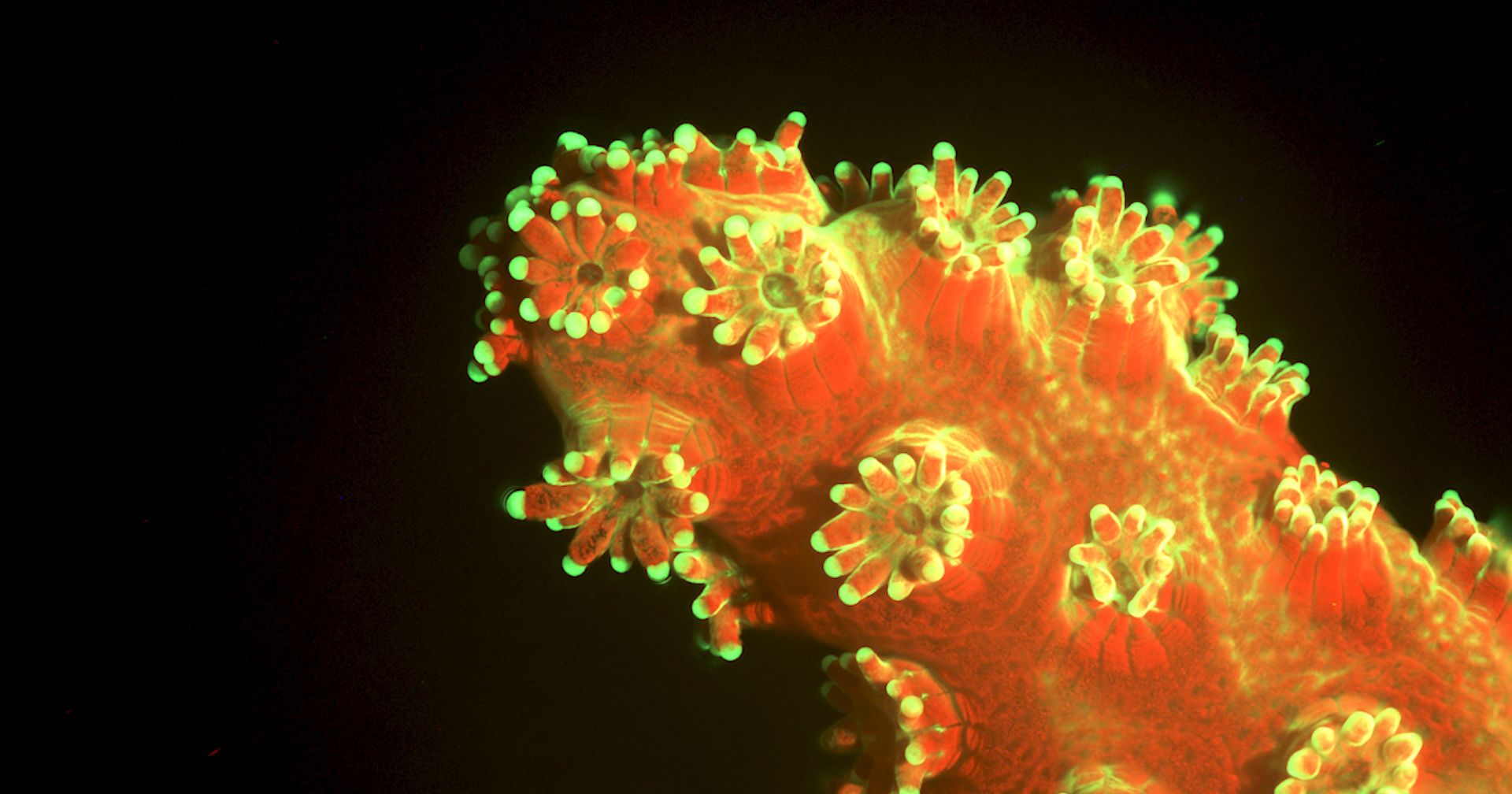
Produced by Spine Films
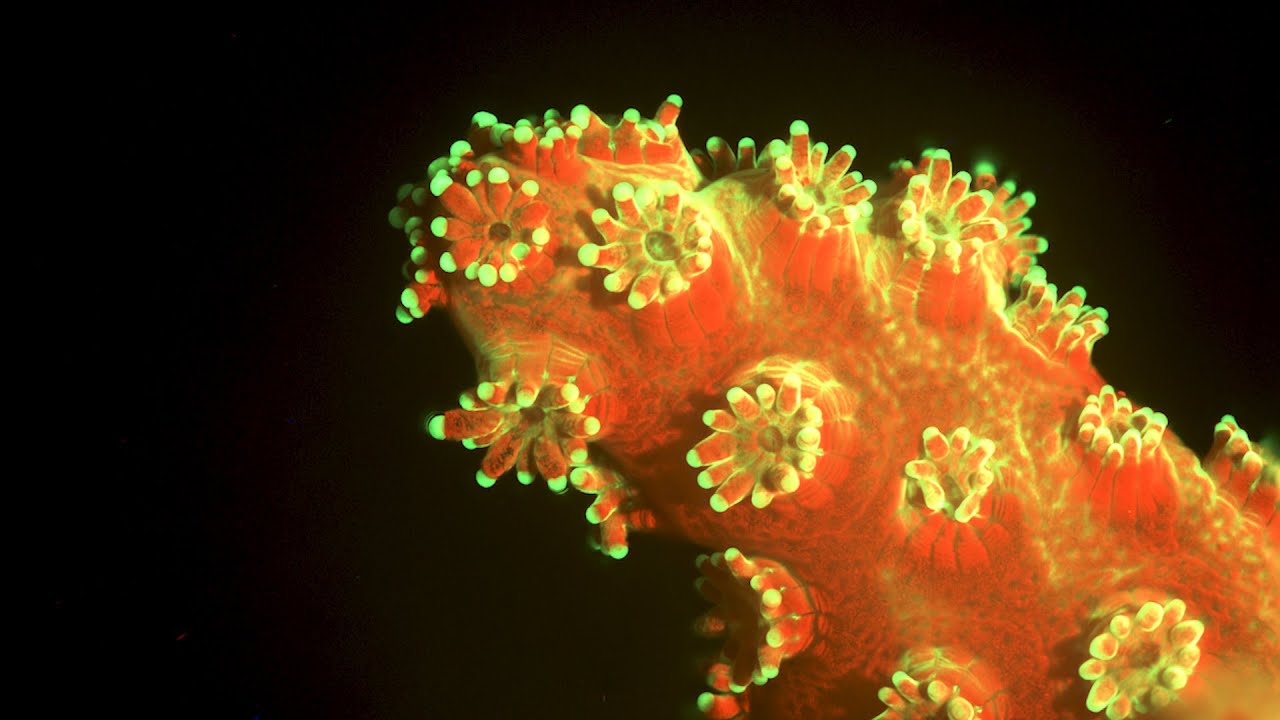
Over the past decade, mass coral bleaching events have decimated reefs around the world. In the hope of preventing or mitigating the effects of similar events in the future, some scientists are working feverishly to better understand the environmental conditions that lead to coral death. But others say there is also a pressing need to better understand how corals live and grow, where theyâve recovered, and the conditions that help them bounce back. On that front, they say, we have a lot to learn.
Two of the biggest challenges to truly understanding how corals live are the minuscule size of individual coral polyps and their painfully slow rate of growth and reproduction. To overcome these challenges, coral reef ecologists and technologists from the Scripps Institution of Oceanography in San Diego have teamed up to develop tools that allow them to see corals at an unprecedented scale and pace. Armed with a suite of underwater time-lapse microscopes designed by Jules Jaffe and his team of technologists, including a 3D stereoscopic microscope, ecologists like Clinton Edwards can now peer into the secret lives of coral polyps and study how these tiny organisms grow, reproduce, construct their calcium carbonate homes, and interact with their symbiotic algae, as well as how these functions change in response to various environmental factors. They hope that by understanding not just how corals succumb, but also how they survive, we will be better able to protect both coral reefs and the countless lives and livelihoods that depend on them.
Hi, I’m Dave, the executive director of bioGraphic. (And that’s my dog, Finn.) Thanks for taking the time to read this story.
Stories like this simply don’t get produced without financial support from readers like you. bioGraphic is not backed by a private company or owned by a billionaire. It’s an independent, nonprofit magazine. And one-quarter of our annual budget comes directly from reader donations.
We need your support more than ever, as governments slash funding for conservation and scientific research, placing even more ecosystems and wildlife at risk around the world. At bioGraphic, we’re steadfastly shining a light on the threats to our planet’s incredible biodiversity. And we’re showcasing the hard work of people bravely taking action to protect at-risk species.
bioGraphic publishes environmental reporting that you can’t find anywhere else: deeply researched, trustworthy stories that are also beautiful and captivating to read. We offer an antidote to reader apathy and doom-and-gloom news by revealing the wonders of the natural world and focusing on real solutions to big problems. When you finish a bioGraphic story, we want to leave you feeling informed, delighted, and inspired.
We don’t run ads or hide our stories behind a paywall. The readers who generously support bioGraphic allow our work to remain free for everyone.
Will you help us keep telling these crucial stories?

Author

Related Articles
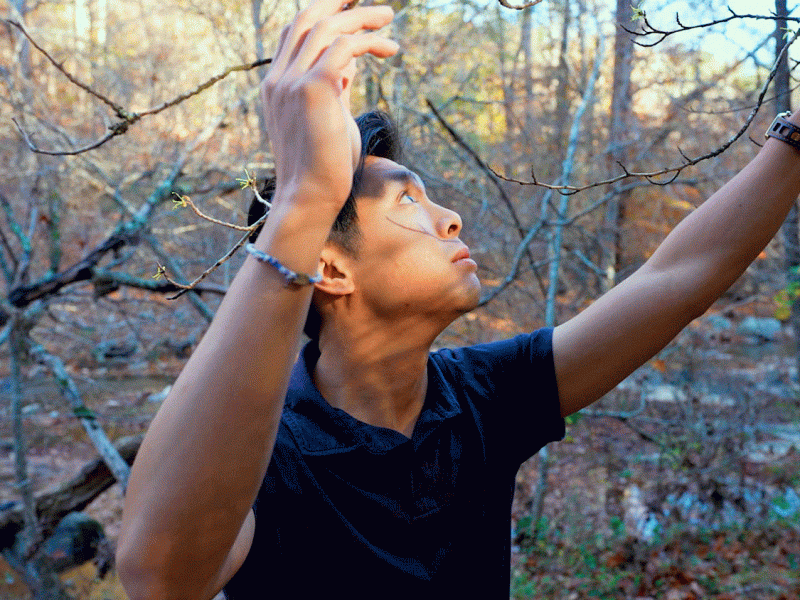
Lens of Time: Witch Hazels Take Flight
Investigating the mechanics of seed dispersal in an unusual shrub in eastern North America has revealed that some plants have powers of propulsion equal to the planet’s fastest animals.
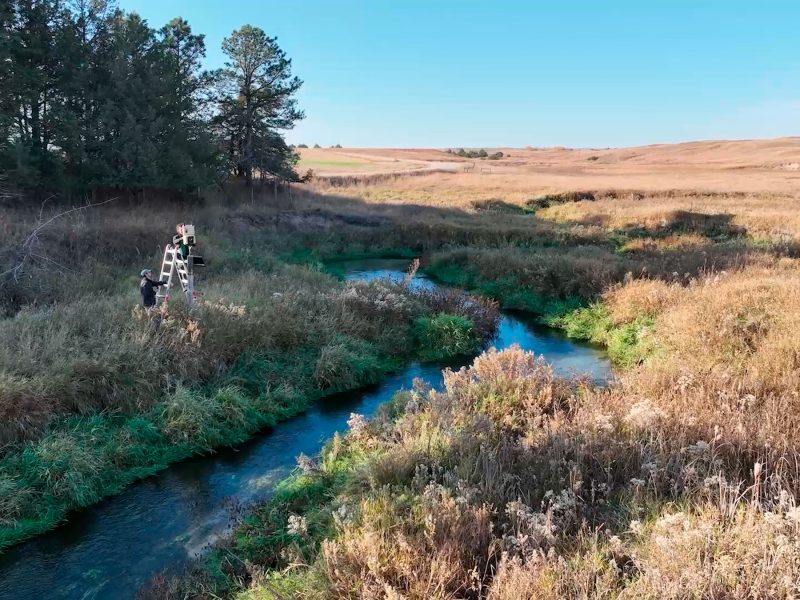
Lens of Time: A Watershed in Motion
Where does our water come from, how do the variations in its flow affect the ecosystems it feeds, and how can time-lapse photography help land managers understand and protect this valuable resource?
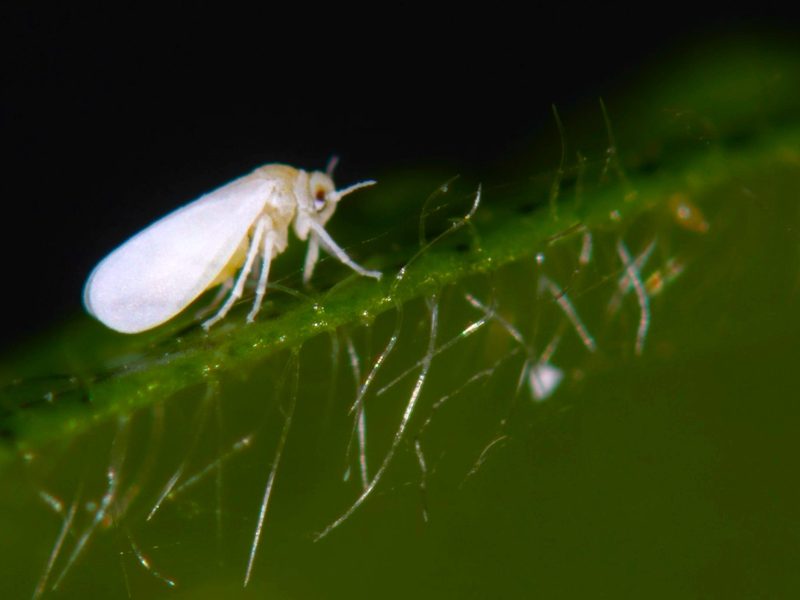
Lens of Time: Tiny Fliers
As ubiquitous as flight may be in the natural world, it turns out not all flying creatures approach the feat in quite the same way.