
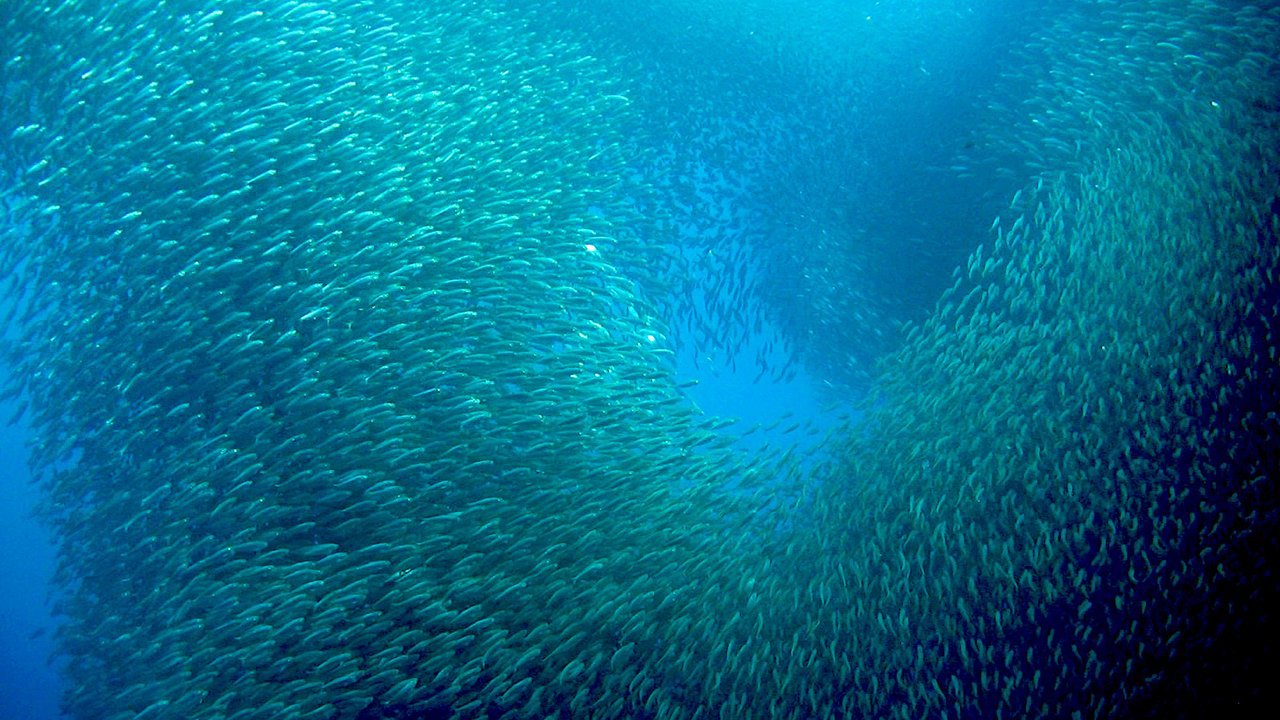
Produced by Spine Films
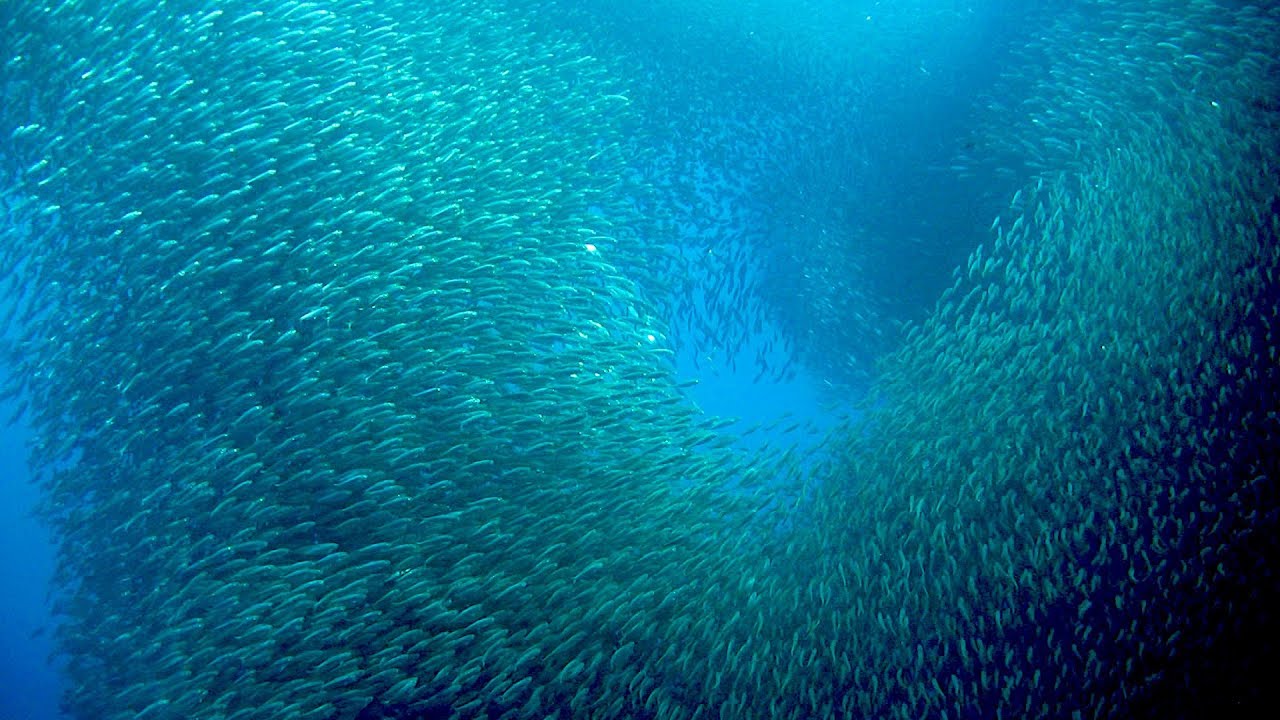
Collective behavior is embodied in swarms of insects, flocks of birds, herds of antelope, and schools of fish. In each of these cases, individuals move through their environment and respond to threats and opportunities almost simultaneously, forming an undulating enclave that seems to operate as a single entity. Such coordinated movement requires the rapid and efficient transfer of information among individuals, but understanding exactly how this information spreads through the group has long eluded scientists. Studying this behavior in schools of fish has been incredibly challenging, because the cues that drive it occur at lightning speed, come from multiple directions and sources, and of course because all of it takes place underwater. Now, Iain Couzin and his colleagues at the Max Planck Institute for Ornithology at the University of Konstanz, Germany are using new observation techniques and technologies—including high-speed video, motion-tracking software, and advanced statistical modeling—to reveal the mysterious mechanics of schooling fish. Their findings may shed light on the evolution and benefits of collective behavior across the animal kingdom.
Hi, I’m Dave, the executive director of bioGraphic. (And that’s my dog, Finn.) Thanks for taking the time to read this story.
Stories like this simply don’t get produced without financial support from readers like you. bioGraphic is not backed by a private company or owned by a billionaire. It’s an independent, nonprofit magazine. And one-quarter of our annual budget comes directly from reader donations.
We need your support more than ever, as governments slash funding for conservation and scientific research, placing even more ecosystems and wildlife at risk around the world. At bioGraphic, we’re steadfastly shining a light on the threats to our planet’s incredible biodiversity. And we’re showcasing the hard work of people bravely taking action to protect at-risk species.
bioGraphic publishes environmental reporting that you can’t find anywhere else: deeply researched, trustworthy stories that are also beautiful and captivating to read. We offer an antidote to reader apathy and doom-and-gloom news by revealing the wonders of the natural world and focusing on real solutions to big problems. When you finish a bioGraphic story, we want to leave you feeling informed, delighted, and inspired.
We don’t run ads or hide our stories behind a paywall. The readers who generously support bioGraphic allow our work to remain free for everyone.
Will you help us keep telling these crucial stories?

Related Articles
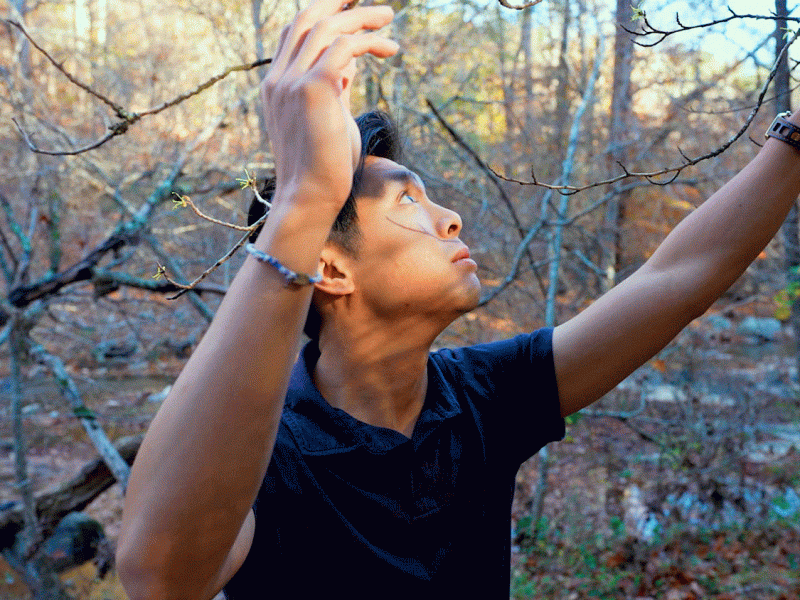
Lens of Time: Witch Hazels Take Flight
Investigating the mechanics of seed dispersal in an unusual shrub in eastern North America has revealed that some plants have powers of propulsion equal to the planet’s fastest animals.
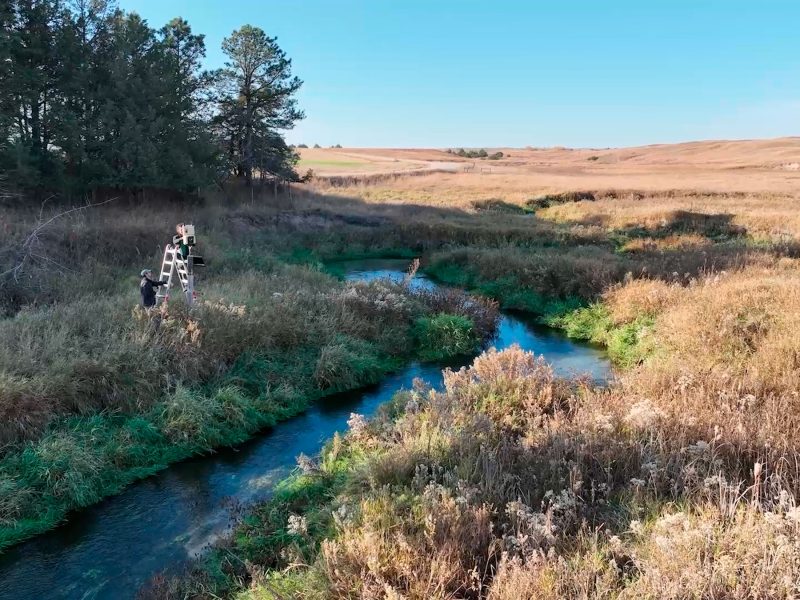
Lens of Time: A Watershed in Motion
Where does our water come from, how do the variations in its flow affect the ecosystems it feeds, and how can time-lapse photography help land managers understand and protect this valuable resource?
Lens of Time: Tiny Fliers
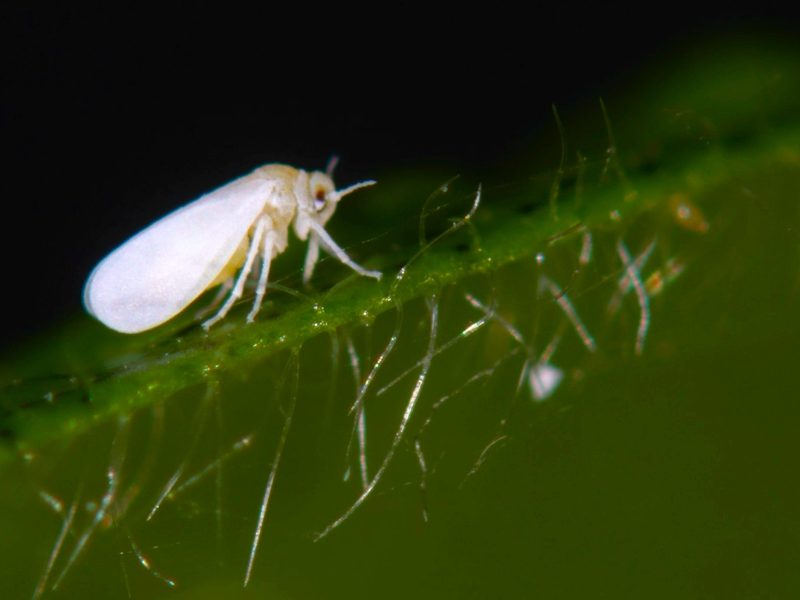
As ubiquitous as flight may be in the natural world, it turns out not all flying creatures approach the feat in quite the same way.