
Produced by Spine Films
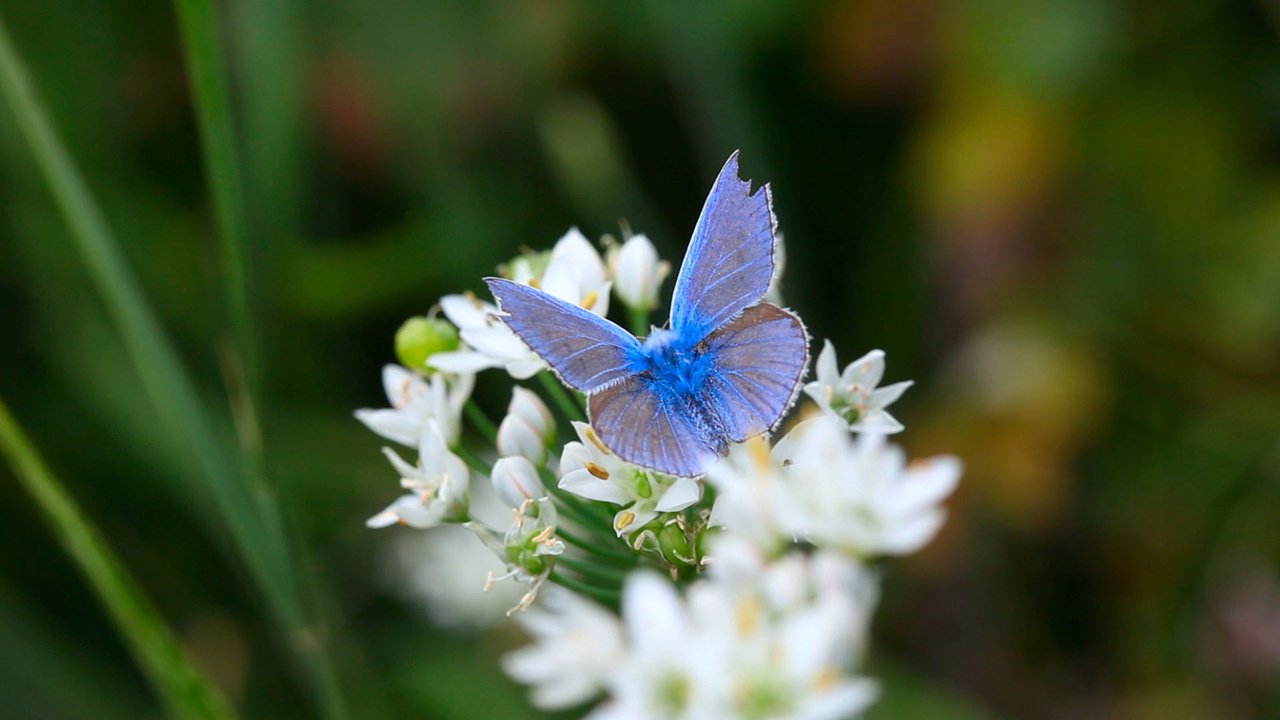
For more than 100 years, evolutionary biologists have been working to understand the mechanisms and processes that give rise to some of nature’s most complex designs. This is often slow and painstaking work. Take a close look at the intricate detail of a butterfly wing, and you’ll see the enormity of the challenge. Each wing is made up of tens or hundreds of thousands of tiny scales, arranged like pixels in a digital image to produce an astounding array of colorful patterns. But not all colors are created equal. While many are derived from pigments, some, like the iridescent blue of the beautiful blue morpho butterfly, are created by the reflection and refraction of light. These so-called “structural colors” are the result of nano-scale structures on the wing scales—structures smaller than a single wavelength of light—that dictate the colors that ultimately reach our eyes.
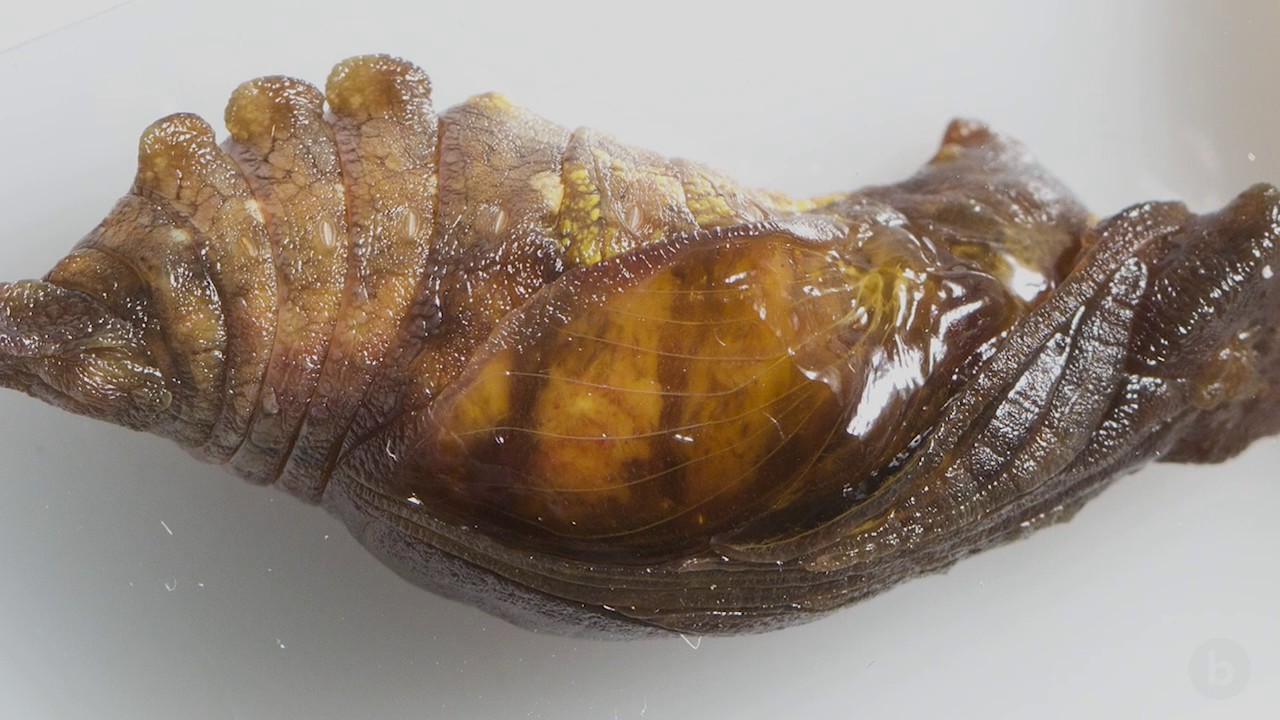
To understand how these structural colors develop, evolutionary and developmental biologist Nipam Patel and his team at UC Berkeley are using a novel set of techniques and tools. They have essentially created a way to open a window directly into living butterflies as they develop. And by using time-lapse microscopy, they are able to generate movies from sequences of thousands of still photographs to reveal exactly how the structures that make these colors possible develop. The insights gained from these observations will be critical as the scientists take their research further—to the genetic level—where they plan to follow embryonic cells as they differentiate to create the nanostructures responsible for butterflies’ rainbow displays.
Hi, I’m Dave, the executive director of bioGraphic. (And that’s my dog, Finn.) Thanks for taking the time to read this story.
Stories like this simply don’t get produced without financial support from readers like you. bioGraphic is not backed by a private company or owned by a billionaire. It’s an independent, nonprofit magazine. And one-quarter of our annual budget comes directly from reader donations.
We need your support more than ever, as governments slash funding for conservation and scientific research, placing even more ecosystems and wildlife at risk around the world. At bioGraphic, we’re steadfastly shining a light on the threats to our planet’s incredible biodiversity. And we’re showcasing the hard work of people bravely taking action to protect at-risk species.
bioGraphic publishes environmental reporting that you can’t find anywhere else: deeply researched, trustworthy stories that are also beautiful and captivating to read. We offer an antidote to reader apathy and doom-and-gloom news by revealing the wonders of the natural world and focusing on real solutions to big problems. When you finish a bioGraphic story, we want to leave you feeling informed, delighted, and inspired.
We don’t run ads or hide our stories behind a paywall. The readers who generously support bioGraphic allow our work to remain free for everyone.
Will you help us keep telling these crucial stories?

Related Articles
Lens of Time: Witch Hazels Take Flight
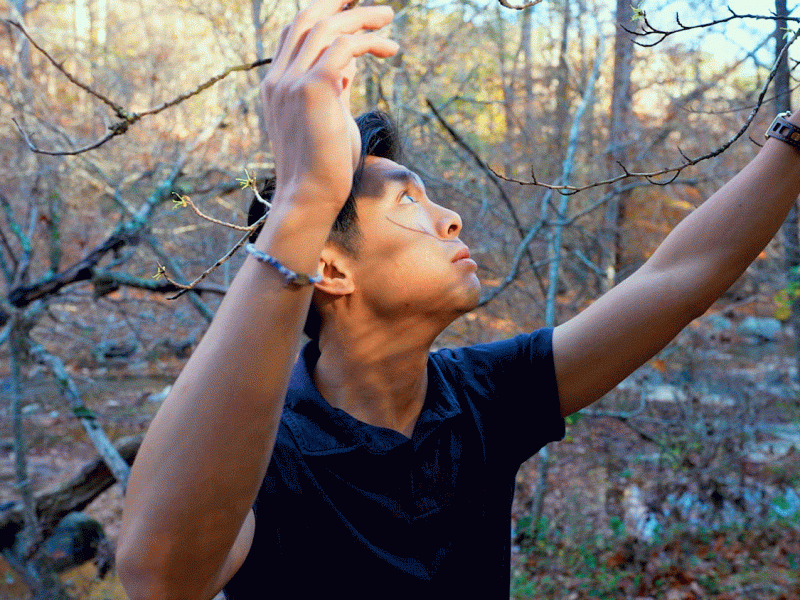
Investigating the mechanics of seed dispersal in an unusual shrub in eastern North America has revealed that some plants have powers of propulsion equal to the planet’s fastest animals.
Lens of Time: A Watershed in Motion
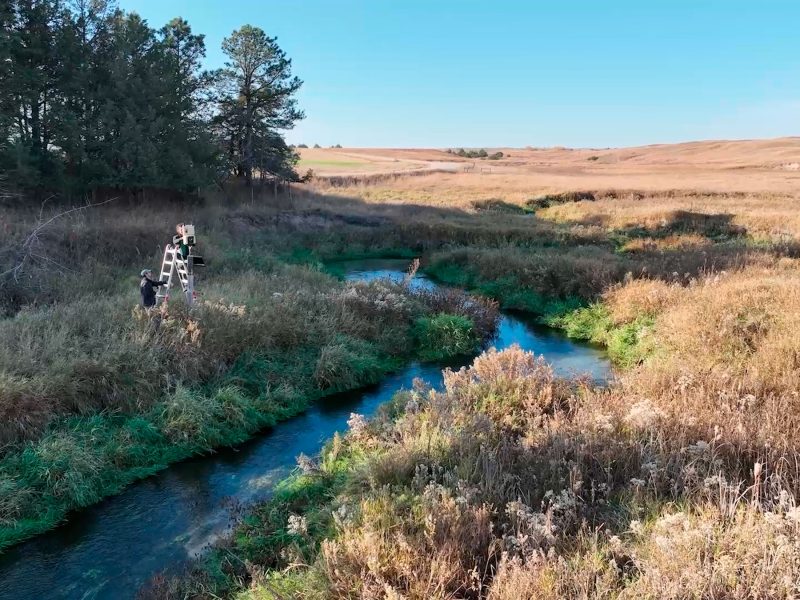
Where does our water come from, how do the variations in its flow affect the ecosystems it feeds, and how can time-lapse photography help land managers understand and protect this valuable resource?
Lens of Time: Tiny Fliers
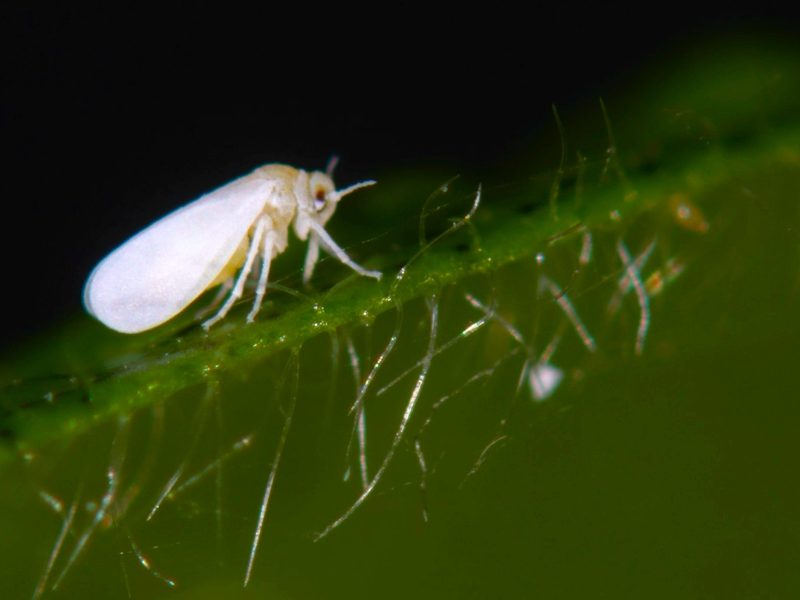
As ubiquitous as flight may be in the natural world, it turns out not all flying creatures approach the feat in quite the same way.