
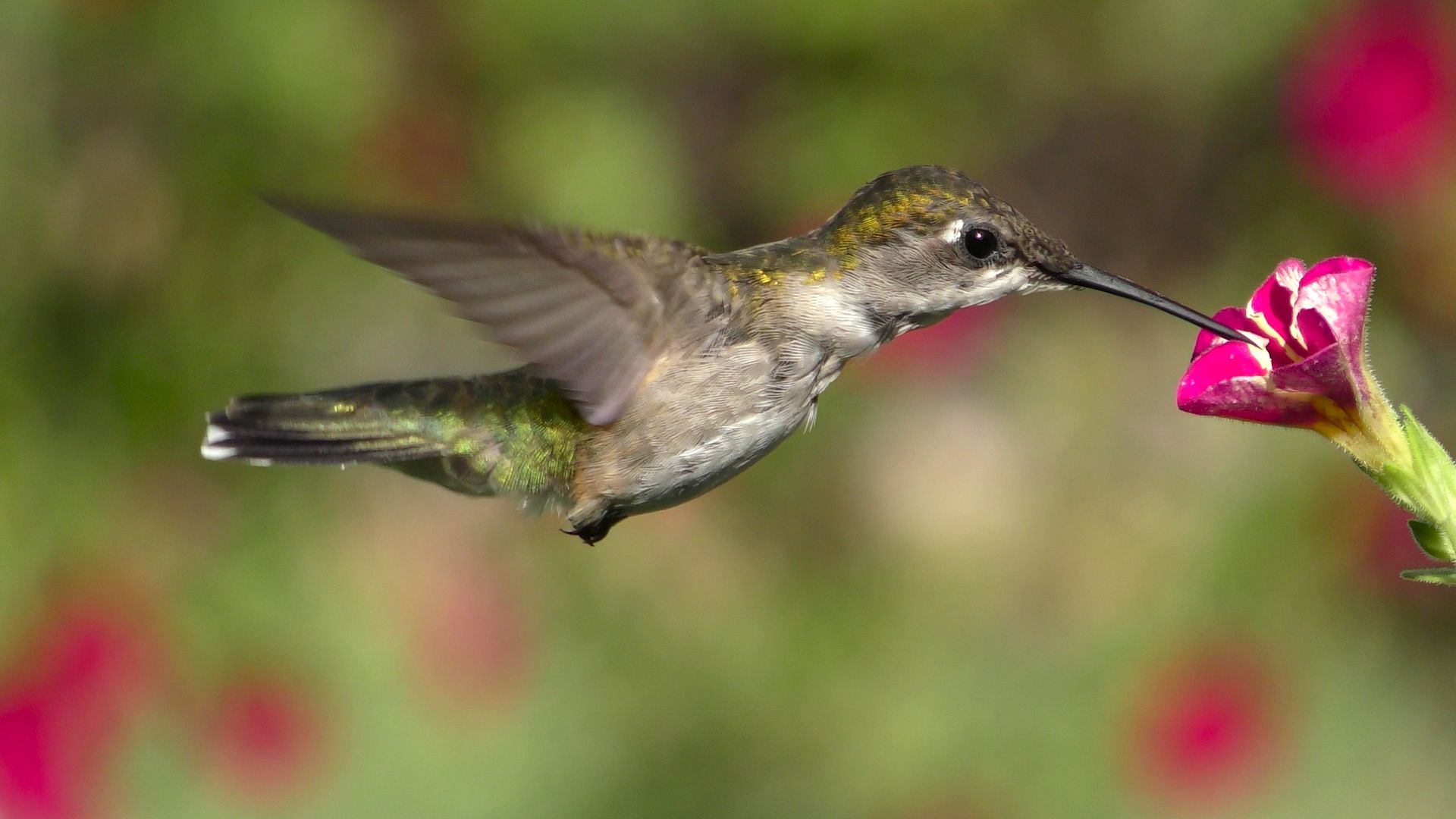
Produced by Spine Films

Capable of aerial maneuvers that put even the most advanced human-made flying machines to shame, hummingbirds are true masters of flight. As the tiny birds move from flower to flower, they appear to almost levitate—hovering in mid-air, practically motionless except for their blur of wings beating more than 40 times per second. Although scientists have studied hummingbirds for centuries, the secrets of the birds’ sustained hovering ability have remained a mystery. But that may soon change. Researchers at Stanford’s Lentink Mechanical Engineering Lab have invented a device—a flight chamber outfitted with high-speed video equipment and ultra-sensitive pressure plates—that may finally explain how hummingbirds achieve their astounding aerial feats. By measuring the forces generated by a hummingbird’s individual wing beats, the scientists have developed the most accurate and detailed model yet of the physics involved in the hummingbird hover. Their model proves the existence of a hidden mechanism that enables the birds to achieve what might otherwise be impossible—and could one day help engineers design better flying machines.
Hi, I’m Dave, the executive director of bioGraphic. (And that’s my dog, Finn.) Thanks for taking the time to read this story.
Stories like this simply don’t get produced without financial support from readers like you. bioGraphic is not backed by a private company or owned by a billionaire. It’s an independent, nonprofit magazine. And one-quarter of our annual budget comes directly from reader donations.
We need your support more than ever, as governments slash funding for conservation and scientific research, placing even more ecosystems and wildlife at risk around the world. At bioGraphic, we’re steadfastly shining a light on the threats to our planet’s incredible biodiversity. And we’re showcasing the hard work of people bravely taking action to protect at-risk species.
bioGraphic publishes environmental reporting that you can’t find anywhere else: deeply researched, trustworthy stories that are also beautiful and captivating to read. We offer an antidote to reader apathy and doom-and-gloom news by revealing the wonders of the natural world and focusing on real solutions to big problems. When you finish a bioGraphic story, we want to leave you feeling informed, delighted, and inspired.
We don’t run ads or hide our stories behind a paywall. The readers who generously support bioGraphic allow our work to remain free for everyone.
Will you help us keep telling these crucial stories?

Author

Related Articles
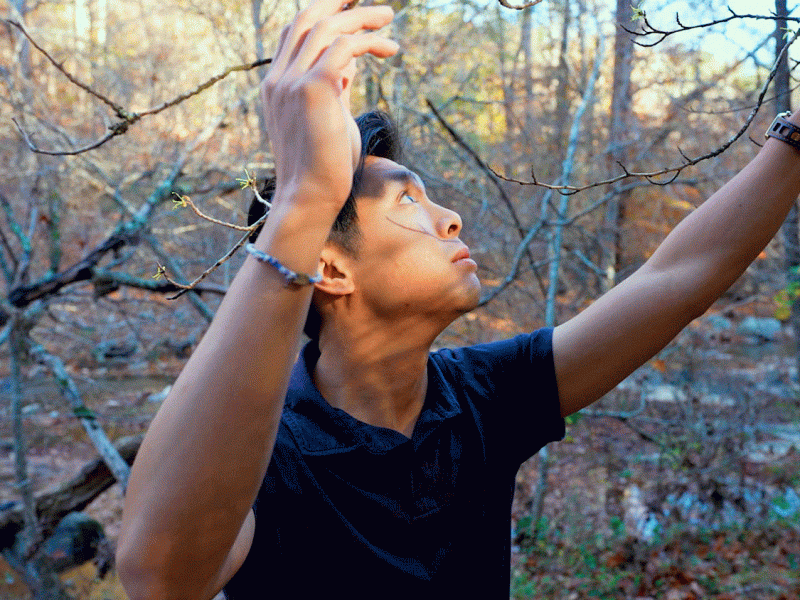
Lens of Time: Witch Hazels Take Flight
Investigating the mechanics of seed dispersal in an unusual shrub in eastern North America has revealed that some plants have powers of propulsion equal to the planet’s fastest animals.
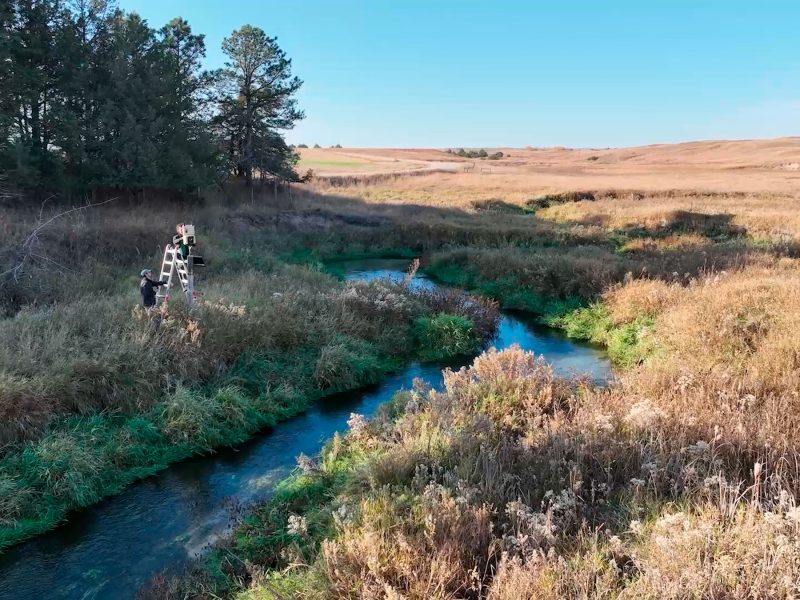
Lens of Time: A Watershed in Motion
Where does our water come from, how do the variations in its flow affect the ecosystems it feeds, and how can time-lapse photography help land managers understand and protect this valuable resource?
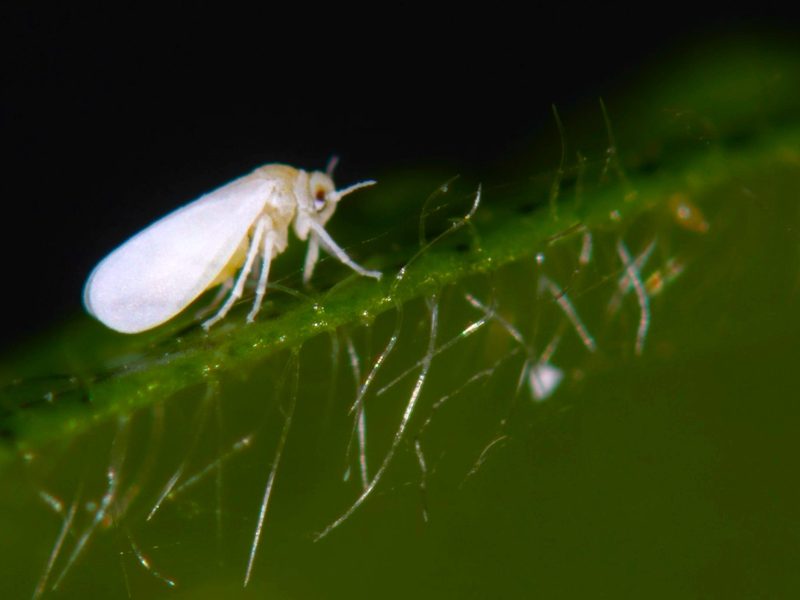
Lens of Time: Tiny Fliers
As ubiquitous as flight may be in the natural world, it turns out not all flying creatures approach the feat in quite the same way.