
Photograph by Sergey Gorshkov
Story by Katie Jewett
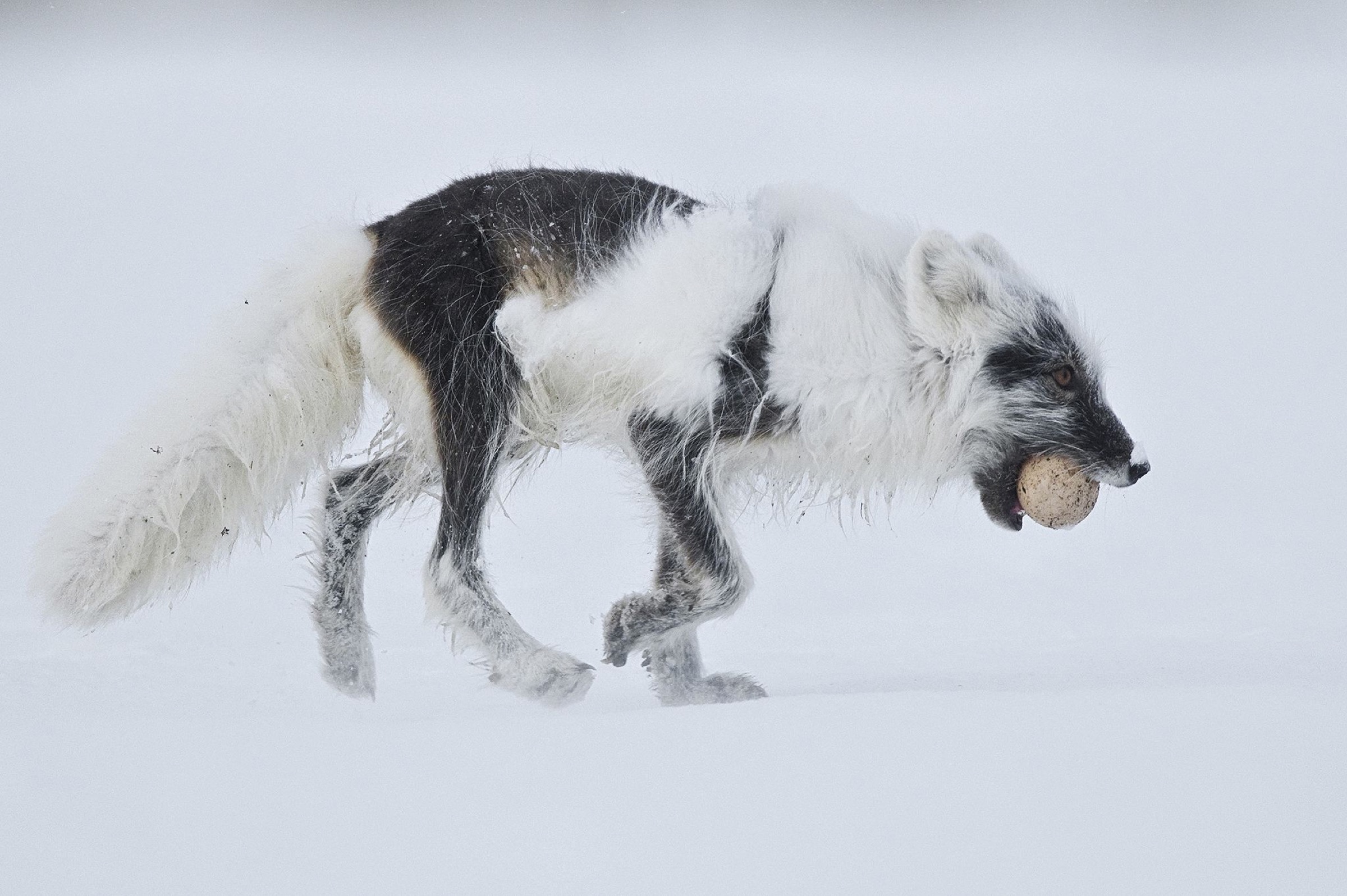
In the far, frigid north, the difference between life and death for the arctic fox (Vulpes lagopus) occasionally comes down to thievery. These resourceful residents of Russia’s Wrangel Island feed primarily on lemmings (Dicrostonyx vinogradovi), but they are also relentless opportunists looking to capitalize on any meal that presents itself. The annual arrival of nesting snow geese (Chen caerulescens) is a bountiful time. Each spring, thousands of geese descend upon the island to lay their eggs (up to six per pair) in simple nests scraped out of the tundra. With little to protect their future offspring besides their own fierce resistance, the snow geese must remain vigilant against intruders. But foxes are nothing if not cunning—and persistent. With as many as a dozen hungry pups to feed back in the den, a pair of foxes might spend several hours each day patrolling the snow goose rookery in search of opportunity. Foxes on Wrangel Island have been known to steal as many as 40 goose eggs per day—caching whatever they or the pups don’t eat immediately and consuming the hidden eggs in the days, weeks, and months to come. The calorie-rich eggs represent far more than tasty snacks for the island’s foxes. Lemming populations are notoriously cyclical. When they’re abundant, fox populations grow in response. But periodically, the rodent populations crash, and the foxes must rely more heavily than ever on snow goose nest raids for their sustenance. The stakes couldn’t be higher for the individuals involved in these skirmishes, but nature seems to have struck a sustainable balance on Wrangel Island that keeps fox pups fed and flocks of snow geese filling the air.
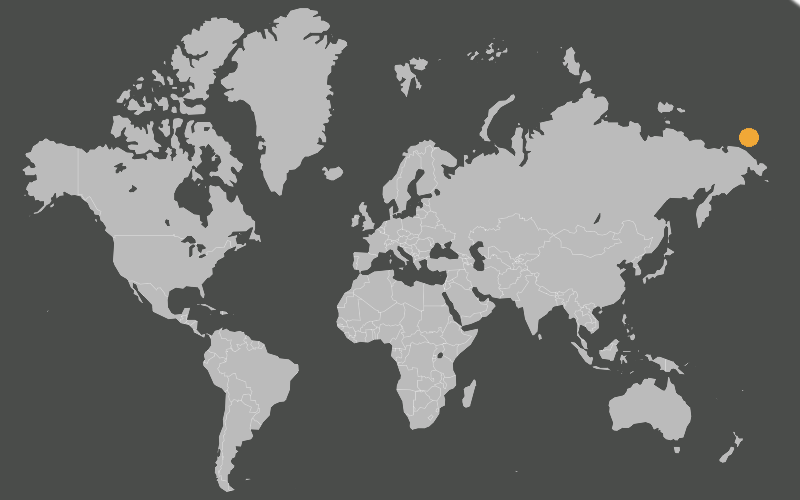
Wrangel Island, Russia
Hi, I’m Dave, the executive director of bioGraphic. (And that’s my dog, Finn.) Thanks for taking the time to read this story.
Stories like this simply don’t get produced without financial support from readers like you. bioGraphic is not backed by a private company or owned by a billionaire. It’s an independent, nonprofit magazine. And one-quarter of our annual budget comes directly from reader donations.
We need your support more than ever, as governments slash funding for conservation and scientific research, placing even more ecosystems and wildlife at risk around the world. At bioGraphic, we’re steadfastly shining a light on the threats to our planet’s incredible biodiversity. And we’re showcasing the hard work of people bravely taking action to protect at-risk species.
bioGraphic publishes environmental reporting that you can’t find anywhere else: deeply researched, trustworthy stories that are also beautiful and captivating to read. We offer an antidote to reader apathy and doom-and-gloom news by revealing the wonders of the natural world and focusing on real solutions to big problems. When you finish a bioGraphic story, we want to leave you feeling informed, delighted, and inspired.
We don’t run ads or hide our stories behind a paywall. The readers who generously support bioGraphic allow our work to remain free for everyone.
Will you help us keep telling these crucial stories?

Author
Related Articles
Burial at Sea
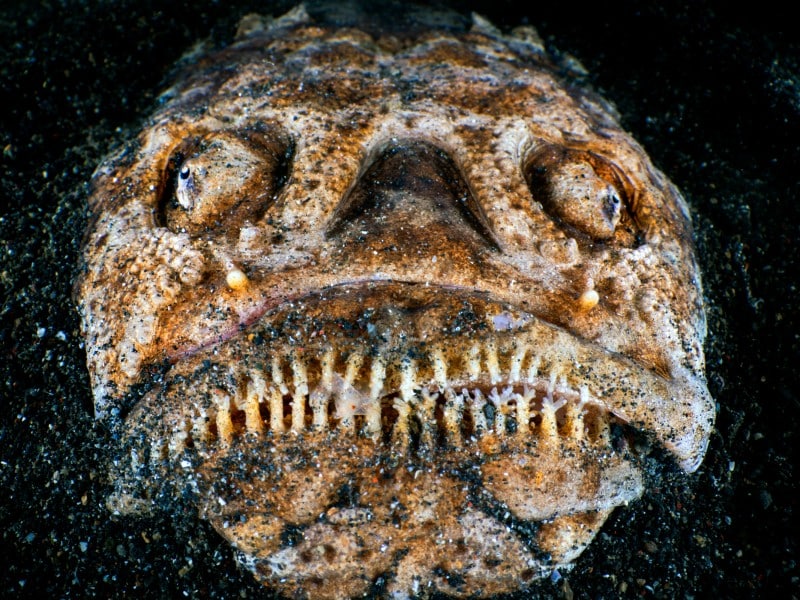
The whitemargin stargazer’s ghoulish, upturned face allows the fish to bury its body in sand and nearly disappear—while watching for its next unsuspecting meal.
Milt Meal
Marine creatures will do almost anything for a meal—including feasting on the sperm and eggs of spawning invertebrates.
The Art of the Catch
To bulk up for winter hibernation, Alaska’s brown bears employ a range of techniques for snaring salmon.