
Photograph by Shane Gross
Story by Katie Jewett
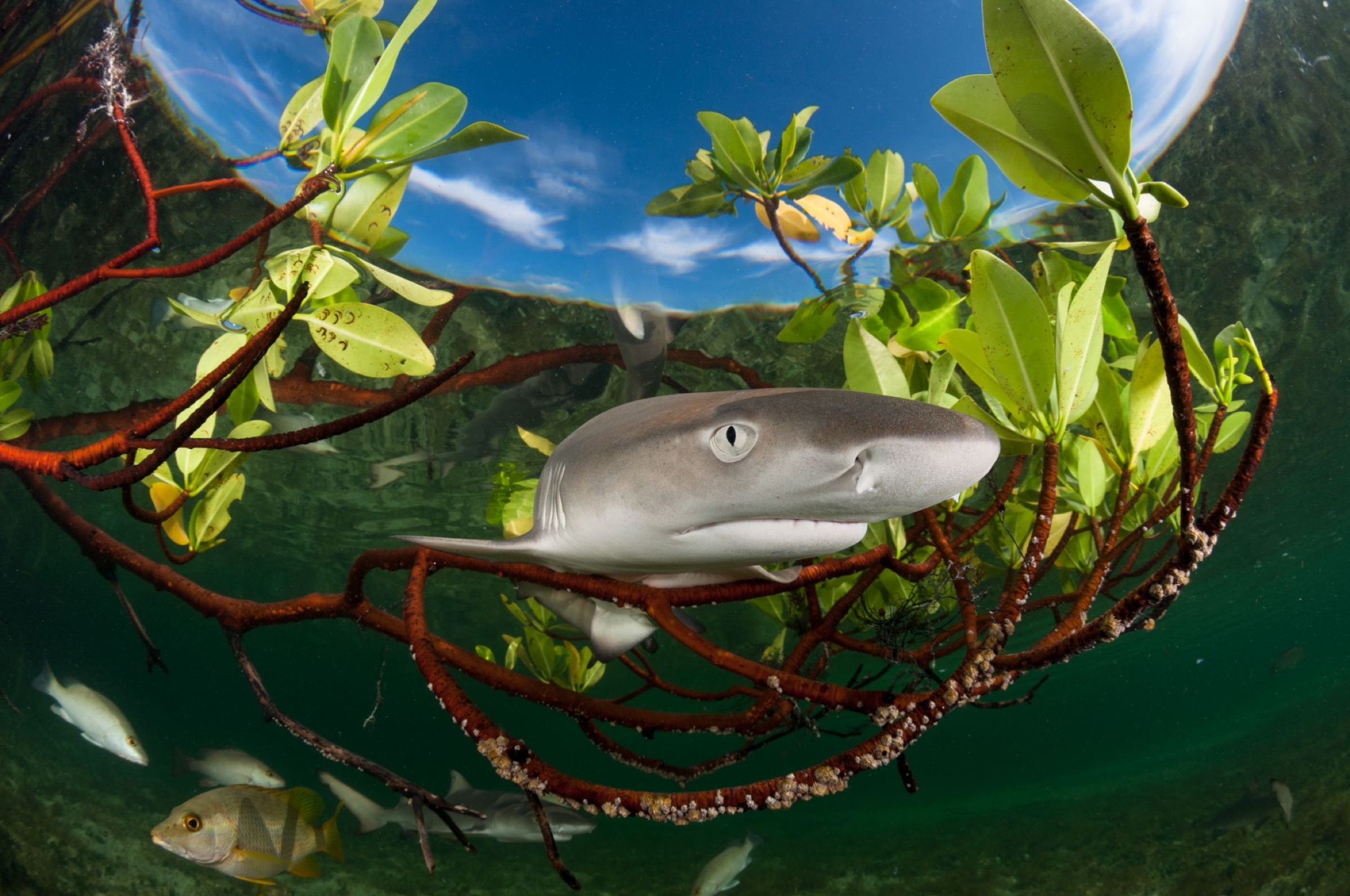
Along the ragged coastline of the island of Eleuthera in The Bahamas, a lemon shark pup (Negaprion brevirostris) swims through the gnarled branches of a mangrove. At just six months old, the pup is fully independent, and has been since birth. It will patrol the mangrove forest’s roots and submerged branches, shielded from predators and surrounded by prey, until it reaches full maturity. After spending nearly a decade in this unique ecosystem, the young adult, like other members of its species, will venture into the reefs and open waters farther out to sea. Eventually, female lemon sharks complete their life cycle by returning to the same patch of mangroves where they were born to give birth to their own litters.
Mangrove forests are a biologically rich tangle of salt-tolerant trees—some 80 species in all—that grow in shallow tropical and sub-tropical waters around the world. Although seen by many as useless, impenetrable, insect-ridden swamps, mangrove ecosystems provide habitat for untold numbers of marine organisms, and play a critical role in coastal protection. Their intertwining roots anchor firmly in the mud and create a safe haven and nursery for far more creatures than lemon sharks. Migratory birds, juvenile fish, and shellfish also spend critical periods of their lives here. The fringe of mangrove forests along coastlines also improves water quality by filtering pollutants, and serves as an important buffer against coastal erosion—a problem that grows as sea levels rise. Recent research even demonstrates that mangroves significantly increase the alkalinity of the sea water around them, providing hope that these forests could mitigate the effects of increasing ocean acidification for nearby reefs. Despite their value, mangroves are being cleared at a staggering rate—for aquaculture, tourism, and other forms of coastal development. Experts estimate that at least half of the world’s mangroves have already been destroyed, and that we’re currently losing these valuable habitats at a rate of 1% each year. Without more thoughtful coastal development, odds are good that this shark pup will one day return to find a hotel and an eroding beach in place of the mangrove forest where it was born.
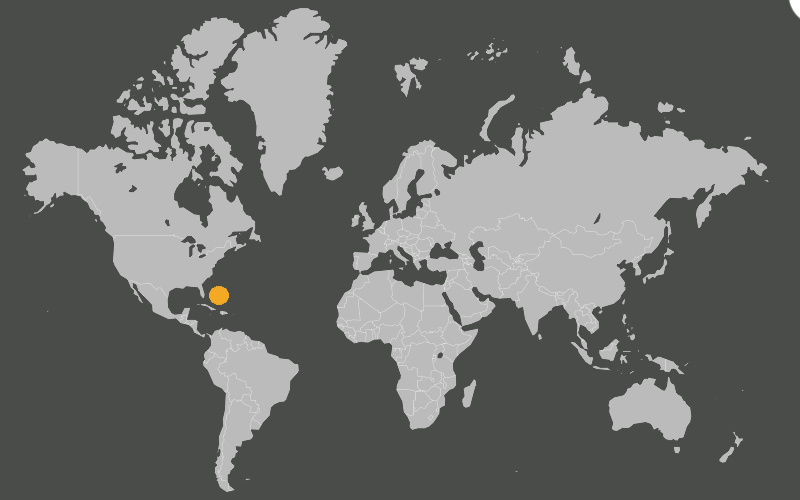
Eleuthera, The Bahamas
Hi, I’m Dave, the executive director of bioGraphic. (And that’s my dog, Finn.) Thanks for taking the time to read this story.
Stories like this simply don’t get produced without financial support from readers like you. bioGraphic is an independent non-profit—we’re not backed by a private company or owned by a billionaire. One-quarter of our budget comes directly from reader donations.
bioGraphic publishes environmental reporting that you can’t find anywhere else: deeply researched, trustworthy stories that are also beautiful and captivating to read. Right now, we need your help to raise $30,000 by October 2. Every dollar will go directly to more crucial reporting projects.
Around the world, governments are slashing funding for conservation and scientific research, placing even more ecosystems and wildlife at risk. At bioGraphic, we’re steadfastly shining a light on the threats to our planet’s incredible biodiversity. And we’re showcasing the hard work of people bravely taking action to protect at-risk species.
bioGraphic offers an antidote to apathy and doom-and-gloom news by revealing the wonders of the natural world and focusing on real solutions to big problems. When you finish a bioGraphic story, we want to leave you feeling informed, delighted, and inspired.
We don’t run ads or hide our stories behind a paywall. The readers who generously support bioGraphic allow our work to remain free for everyone.
We reached our goal, but there’s time left. Will you help us smash our original goal and reach a new goal of $30,000 by October 2?

Related Articles
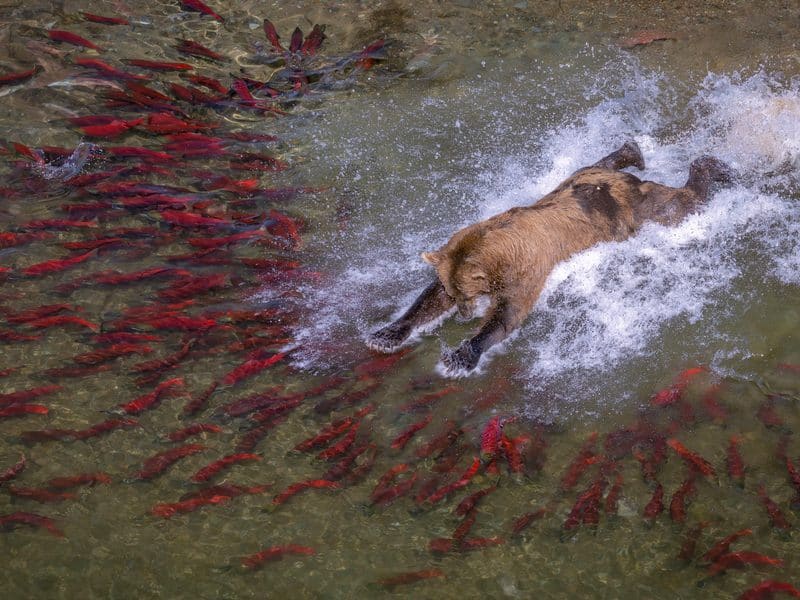
The Art of the Catch
To bulk up for winter hibernation, Alaska’s brown bears employ a range of techniques for snaring salmon.
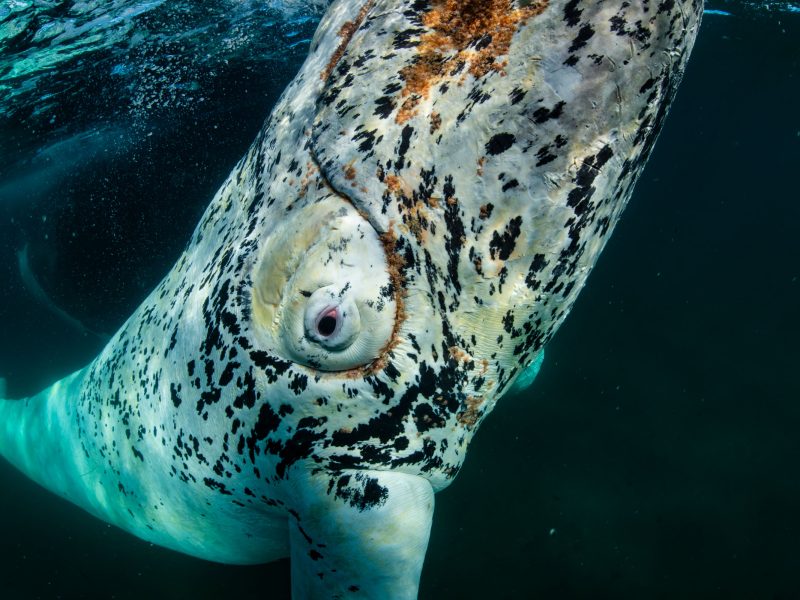
The Wonder of a Pale Whale
A curious calf with an atypical birthday suit is a good sign for southern right whales.
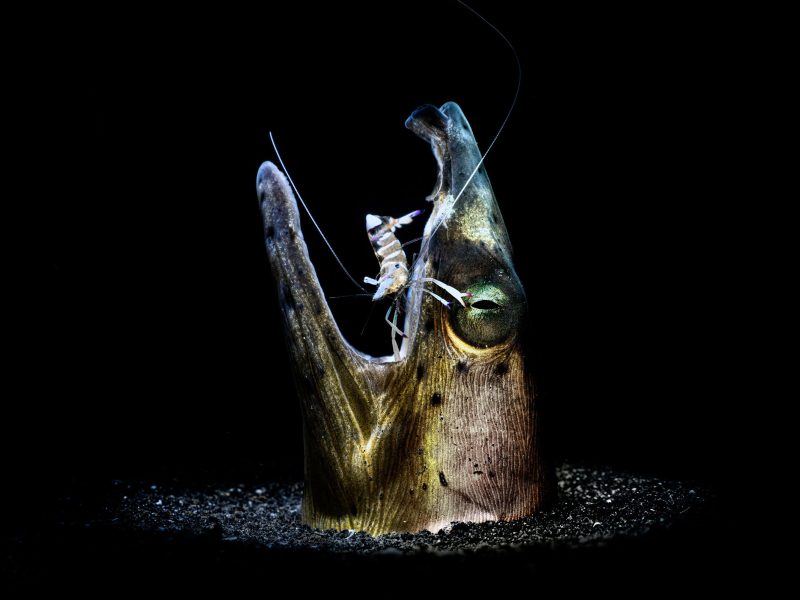
Saying “Ah!” at the Shrimp Spa
On coral reefs, an army of tiny cleaners eat their clients’ parasites, food particles, and dead skin, boosting biodiversity in the process.
