
The Bard and the Birds
The frilled collars of ruffs—and the birds’ elaborate mating rituals—are straight out of a Shakespearean drama.
Photograph by Espen Bergersen
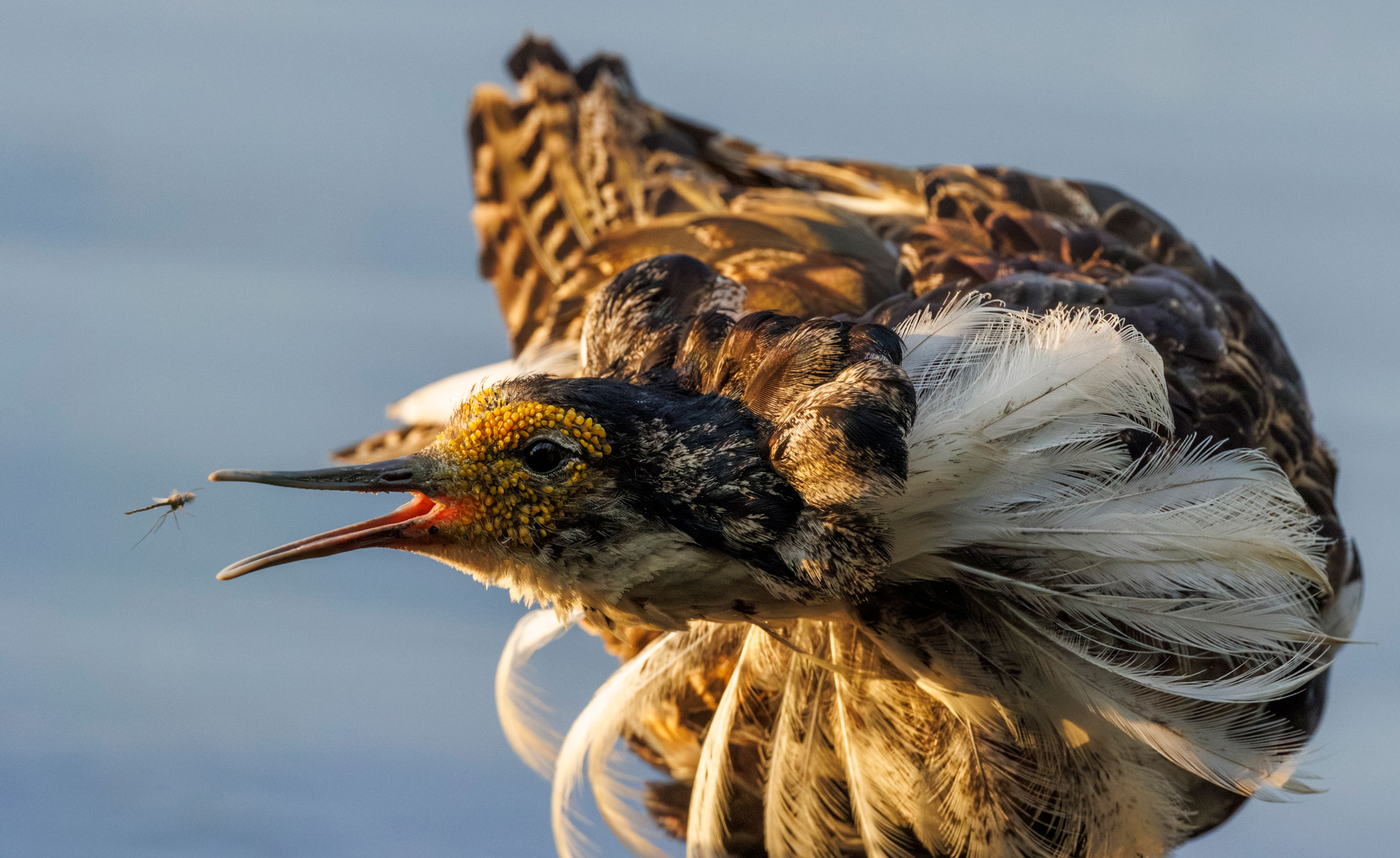
In the golden glow of the midnight sun, a ruff snaps at a mosquito. Ruffs, a type of sandpiper known to scientists as Calidris pugnax, gather in northern Eurasia each spring to woo, mate, and nest around wetlands and waterbodies, where abundant mosquitos and other insects keep them well fed.
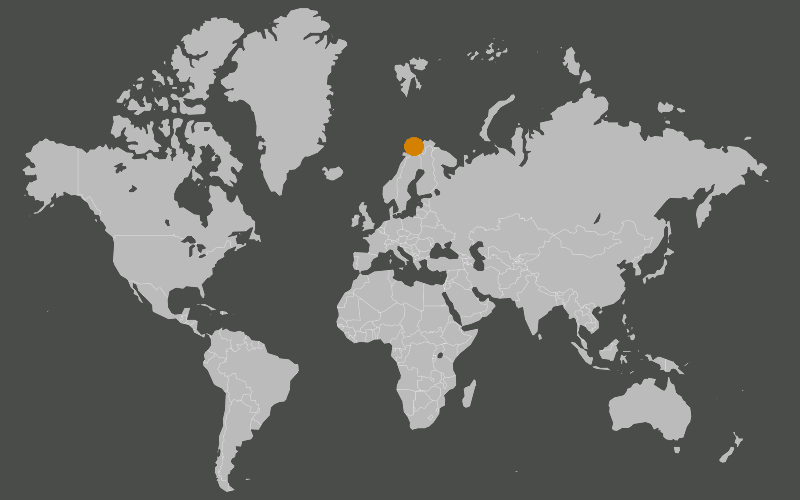
The white molting plumage around the neck of this hungry male, photographed in Norway within the Arctic Circle, offers a clue to what else has recently occupied him. Ruffs get their common name from the extravagant frilled collars—or ruffs—of Shakespeare’s time. And just as in a Shakespearean drama, when the birds gather in their communal mating arena, known as a lek, males sport their finest costumes and enact elaborate courting rituals and ruses to win the affection of females. Their collars, or lack thereof, correspond with three distinct and genetically determined roles in the ruffs’ social hierarchy.
“Independent” males are the most common contenders in the competition for mates; they boast a collar and head tuft of darker browns, beige, chestnut, and black hues, which they fluff up while they strut, leap, and bow to impress. With much higher testosterone levels than other males, independents also regularly battle with one another to defend their territory within the lek and to chase away visiting males—behavior that likely inspired the birds’ scientific name, which means “fighting sandpiper.” Less common are the subordinate “satellite” males—the wingmen. Like the ruff shown here, satellites produce brilliant white collars that help attract reeves, as the females are known, to the lek, earning them tolerance from the dominant males and even a chance at mating with some of the females.
The third role in the lek hierarchy—that of the “faeder”—is reminiscent of how male actors commonly played women’s roles in Shakespeare’s plays. Ruffs in this category make up less than 1 percent of males, and have no fancy collar. Instead, they mimic reeves in appearance and use sneakiness as their strategy. A faeder waits on the perimeter of the lek for a reeve to indicate interest in another male, then swoops in to mate with her first.
After much ado in the mating theater, ruffs begin to shed their regal costumes, and soon fly south to overwinter in warmer parts of Europe, Africa, or Asia. While the birds are faring fine on a global scale, some European populations have declined over the past several decades, likely due to wetland drainage, pollution, climate change, and pesticide use. Mosquitos, on the other hand, are becoming increasingly abundant in the Arctic, ensuring that—at least for now—ruffs who mate in the region have dense clouds of food at the ready when they return for another exhilarating season in the mating arena.
Hi, I’m Dave, the executive director of bioGraphic. (And that’s my dog, Finn.) Thanks for taking the time to read this story.
Stories like this simply don’t get produced without financial support from readers like you. bioGraphic is not backed by a private company or owned by a billionaire. It’s an independent, nonprofit magazine. And one-quarter of our annual budget comes directly from reader donations.
We need your support more than ever, as governments slash funding for conservation and scientific research, placing even more ecosystems and wildlife at risk around the world. At bioGraphic, we’re steadfastly shining a light on the threats to our planet’s incredible biodiversity. And we’re showcasing the hard work of people bravely taking action to protect at-risk species.
bioGraphic publishes environmental reporting that you can’t find anywhere else: deeply researched, trustworthy stories that are also beautiful and captivating to read. We offer an antidote to reader apathy and doom-and-gloom news by revealing the wonders of the natural world and focusing on real solutions to big problems. When you finish a bioGraphic story, we want to leave you feeling informed, delighted, and inspired.
We don’t run ads or hide our stories behind a paywall. The readers who generously support bioGraphic allow our work to remain free for everyone.
Will you help us keep telling these crucial stories?

Authors


Related Articles
Milt Meal
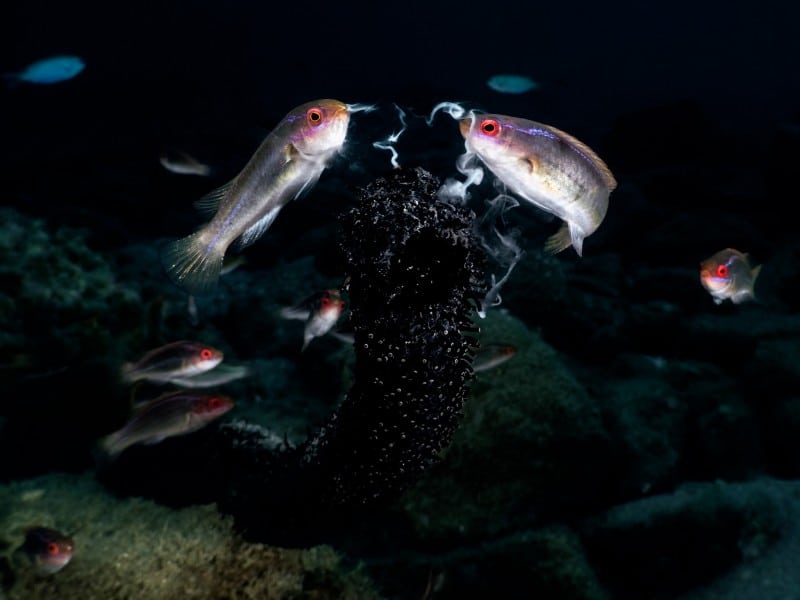
Marine creatures will do almost anything for a meal—including feasting on the sperm and eggs of spawning invertebrates.
The Art of the Catch
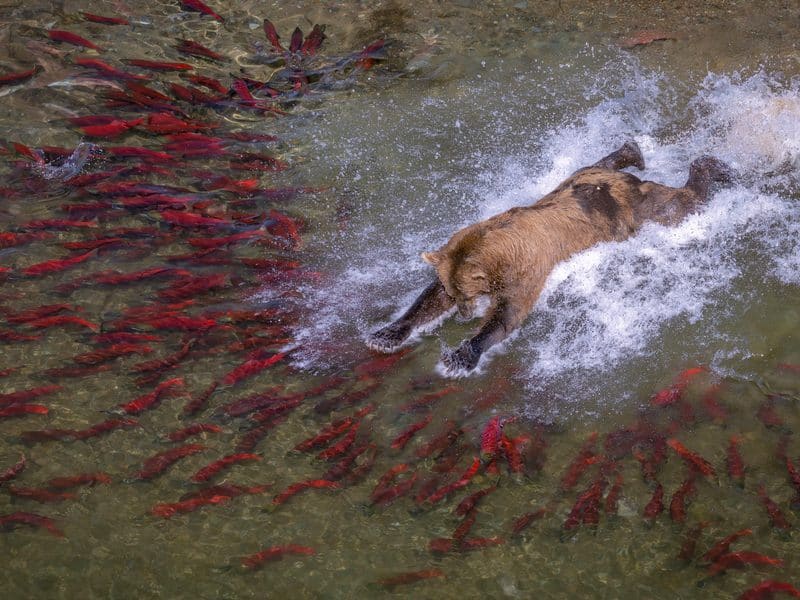
To bulk up for winter hibernation, Alaska’s brown bears employ a range of techniques for snaring salmon.
The Wonder of a Pale Whale
A curious calf with an atypical birthday suit is a good sign for southern right whales.