
Photograph by John Anderson
Story by Skylar Knight

In early spring, some of the largest populations of breeding seabirds in the world—including more than two-thirds of the planet’s million or so northern gannets (Morus bassanus)—gather along the rocky coasts of the United Kingdom. Amidst such a throng, a single juvenile gannet being mauled by an American mink (Neovison vison) here or there may not seem like much to worry about. Unfortunately, the onslaught captured here by photographer John Anderson is a common occurrence along the British coast. American mink are voracious and invasive predators that hunt a wide variety of prey, wreaking havoc among native species throughout the British Isles.
Native to North America, American mink were brought over to Europe in the early 20th century to be farmed for their remarkably plush fur. At the peak of the fur-farming industry, an estimated 400 farms existed in the United Kingdom alone. Inevitably, untold numbers of the carnivorous captives escaped and began breeding in the wild. The problem worsened when a fur-farming ban in the late 1990s led to the intentional release of mobs of mink.
With their streamlined bodies and water-resistant fur, semi-aquatic mink are as comfortable traveling in water as they are on land, so it didn’t take long for them to spread across the British Isles. Within a decade, the British population of water voles (Arvicola amphibius)—one of the minks’ preferred prey species—had decreased by nearly 90 percent, and entire populations of ground-nesting seabirds on islands within swimming distance of the predators were decimated.
In recent years, a number of British conservation organizations have worked to eradicate invasive mink through a combination of trapping, hunting, and the reintroduction of native competitors like the Eurasian otter (Lutra lutra). Smaller scale eradication efforts in the Western Isles have already proved promising for the recovery of native seabird populations, and a 2018 report estimated a 45 percent decline in Britain’s mink population over the past 20 years, although scientists aren’t sure what has driven that change.
While the ultimate fate of the invasive mink remains uncertain, there are signs that the predators are losing their foothold in the British Isles—and there is hope that native species may still have a fighting chance. In this particular case (although it was just a fluke), the native gannet was granted a reprieve. Moments after this photo was taken, the two animals went tumbling over the cliff face into the frigid waters below, where the gannet was able to escape the mink’s clutches.

Fife Ness, Scotland
Hi, I’m Dave, the executive director of bioGraphic. (And that’s my dog, Finn.) Thanks for taking the time to read this story.
Stories like this simply don’t get produced without financial support from readers like you. bioGraphic is an independent non-profit—we’re not backed by a private company or owned by a billionaire. One-quarter of our budget comes directly from reader donations.
bioGraphic publishes environmental reporting that you can’t find anywhere else: deeply researched, trustworthy stories that are also beautiful and captivating to read. Right now, we need your help to raise $20,000 by October 2. Every dollar will go directly to more crucial reporting projects.
Around the world, governments are slashing funding for conservation and scientific research, placing even more ecosystems and wildlife at risk. At bioGraphic, we’re steadfastly shining a light on the threats to our planet’s incredible biodiversity. And we’re showcasing the hard work of people bravely taking action to protect at-risk species.
bioGraphic offers an antidote to apathy and doom-and-gloom news by revealing the wonders of the natural world and focusing on real solutions to big problems. When you finish a bioGraphic story, we want to leave you feeling informed, delighted, and inspired.
We don’t run ads or hide our stories behind a paywall. The readers who generously support bioGraphic allow our work to remain free for everyone.
Will you help us raise $20,000 by October 2?

Related Articles
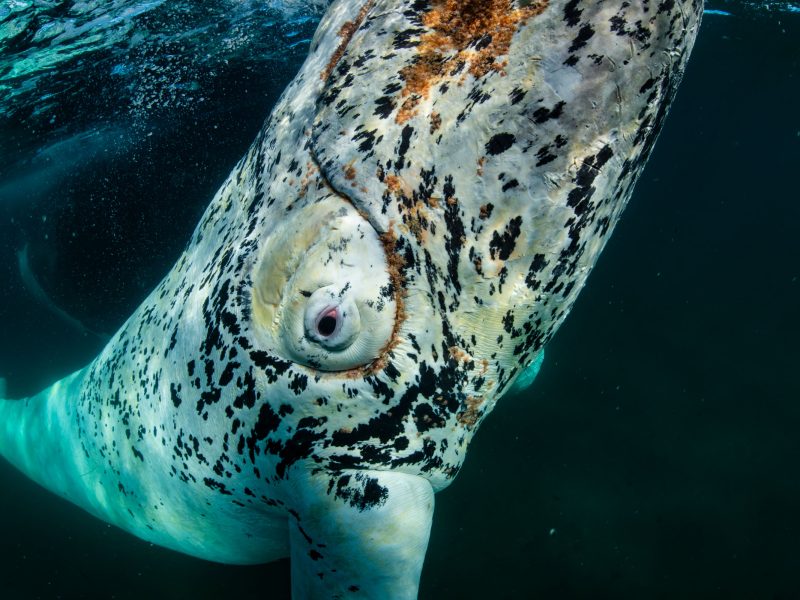
The Wonder of a Pale Whale
A curious calf with an atypical birthday suit is a good sign for southern right whales.
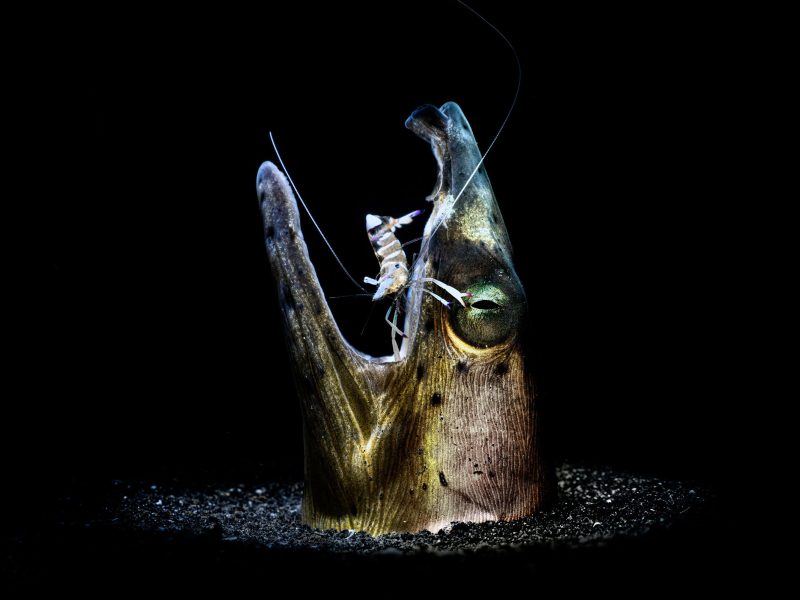
Saying “Ah!” at the Shrimp Spa
On coral reefs, an army of tiny cleaners eat their clients’ parasites, food particles, and dead skin, boosting biodiversity in the process.
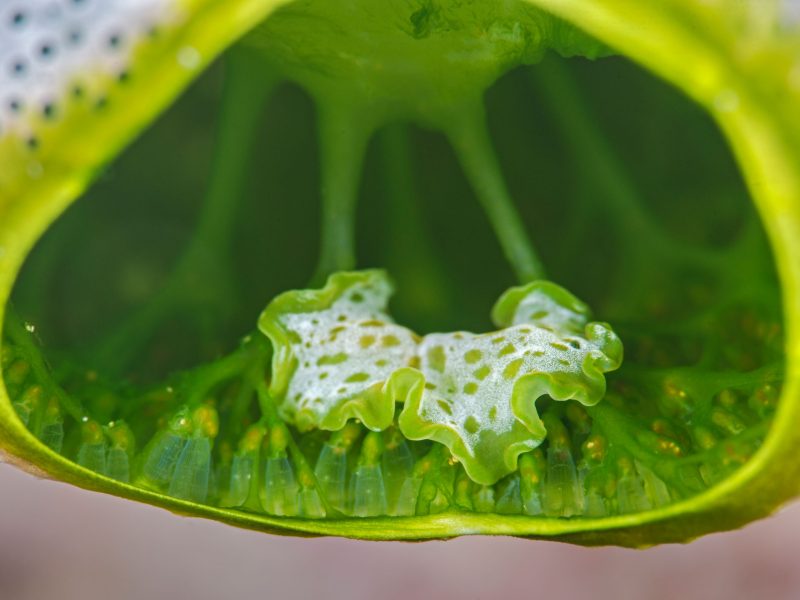
Friends or Foes?
A flatworm and a sea squirt mingle in the tropical waters of West Papua, offering a glimpse into the complexity of interspecies relationships.
