
Architectural Seduction
In pursuit of mates, male bowerbirds construct and curate elaborate, whimsical bachelor pads.
Photograph by Tim Laman
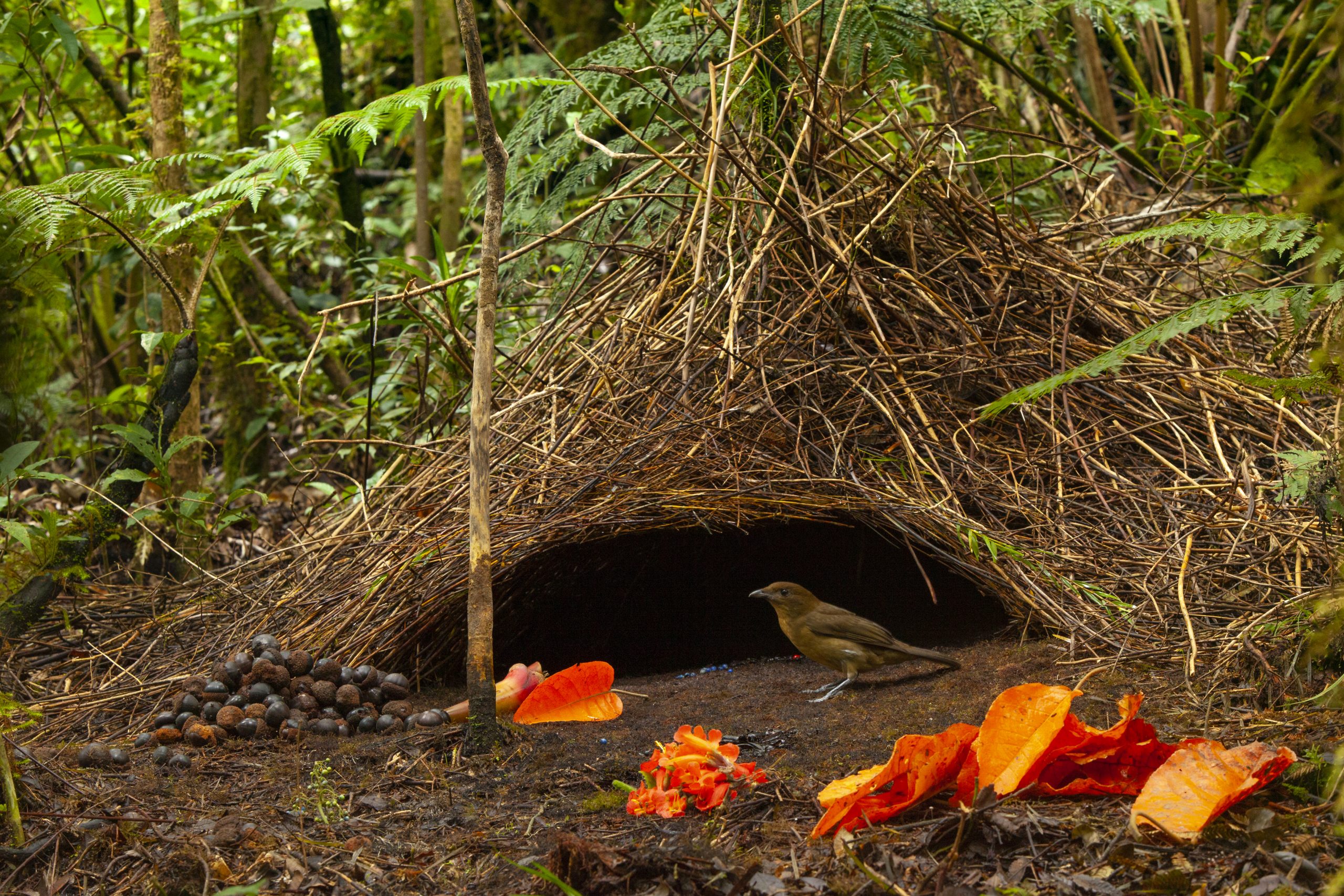
Of all the odd mating rituals found in the natural world, the most unique may be that of the bowerbird. Bowerbirds, a family of 20 species found in New Guinea and Australia, are named for the elaborate structures they create—“bowers,” often made of sticks or grasses, that seem to have no evolutionary purpose except to attract a mate. Females visit multiple bowers before choosing. They meticulously inspect the structures and observe the males’ courtship displays—dancing, calling, and showing off what biologist and filmmaker Sir David Attenborough called their “seduction parlors”—then choose the one that seems the fittest. In the name of sexual selection, male bowerbirds create art.
The Vogelkop bowerbird pictured above (Amblyornis inornata) is native to western New Guinea. With his drab brown feathers, he is no eye-catching bachelor on his own. But what he lacks in plumage he makes up for with his elaborate bower, adorned in red leaves, flower petals, berries, and a pile of dung.
Bowers vary from bird to bird and species to species. Some are large, spanning up to nine feet tall, while others are more modest. Different species of bowerbirds seem to prefer different bower components, fastidiously arranging their collections with curated objects that may include flowers, berries, leaves, fungus, feathers, stones, and even human items like bottlecaps, nails, and shotgun shells. Sometimes the birds steal coveted trinkets from other bowers. Vogelkops have been observed arranging fresh deer dung at the mouth of their yurt-like chambers and later furiously picking away at the mushrooms sprouting from the aging dung—evidently, mushrooms were not part of their design vision. Other species dabble in painting, spreading masticated plant material mixed with saliva on the walls of their bowers. Still others have been observed arranging their lawn art from the smallest items to the largest, using the trick of perspective to appear larger to window-shopping females.
While bowerbirds have innate bower-building instincts, it can take years of learning and honing their craft before they begin constructing high-quality bowers like the one pictured above. Some researchers suspect that the art of crafting an immaculate bower is culturally transmitted, a sign that species beyond primates can learn from, teach each other, and engage in a suite of aesthetic undertakings. Bowerbirds will alter their designs to mimic the bowers around them, to better attract local females. For example, “Billy the Bowerbird”—a spotted bowerbird who lived among a population of satin bowerbirds for five years—constructed his bower using pine needles and blue flowers like his neighbors, where normally a spotted bowerbird would build with grass and sticks, favoring white, green, and red decorations.
The Vogelkop bowerbird in our photo likely honed his elaborate architecture using a combination of local bower culture and years of trial and error. When a female visits, the male will dance, sing, and strut in front of his bower—sometimes holding a trinket in his beak—to entice her further. Then, should she approve of his handiwork and performance, they will mate, and she’ll fly off alone to a higher, more secluded spot to build a nest for her eggs. The male will remain at the bower, tending and tinkering in the hopes that another female will be equally impressed with his fanciful bachelor pad, choose him as a mate, and pass along his genes.

Hi, I’m Dave, the executive director of bioGraphic. (And that’s my dog, Finn.) Thanks for taking the time to read this story.
Stories like this simply don’t get produced without financial support from readers like you. bioGraphic is not backed by a private company or owned by a billionaire. It’s an independent, nonprofit magazine. And one-quarter of our annual budget comes directly from reader donations.
We need your support more than ever, as governments slash funding for conservation and scientific research, placing even more ecosystems and wildlife at risk around the world. At bioGraphic, we’re steadfastly shining a light on the threats to our planet’s incredible biodiversity. And we’re showcasing the hard work of people bravely taking action to protect at-risk species.
bioGraphic publishes environmental reporting that you can’t find anywhere else: deeply researched, trustworthy stories that are also beautiful and captivating to read. We offer an antidote to reader apathy and doom-and-gloom news by revealing the wonders of the natural world and focusing on real solutions to big problems. When you finish a bioGraphic story, we want to leave you feeling informed, delighted, and inspired.
We don’t run ads or hide our stories behind a paywall. The readers who generously support bioGraphic allow our work to remain free for everyone.
Will you help us keep telling these crucial stories?

Authors


Related Articles
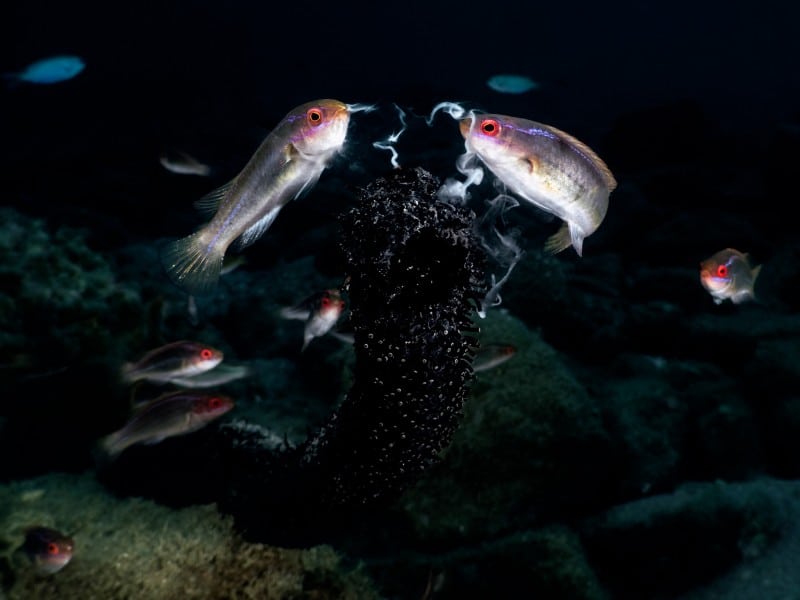
Milt Meal
Marine creatures will do almost anything for a meal—including feasting on the sperm and eggs of spawning invertebrates.
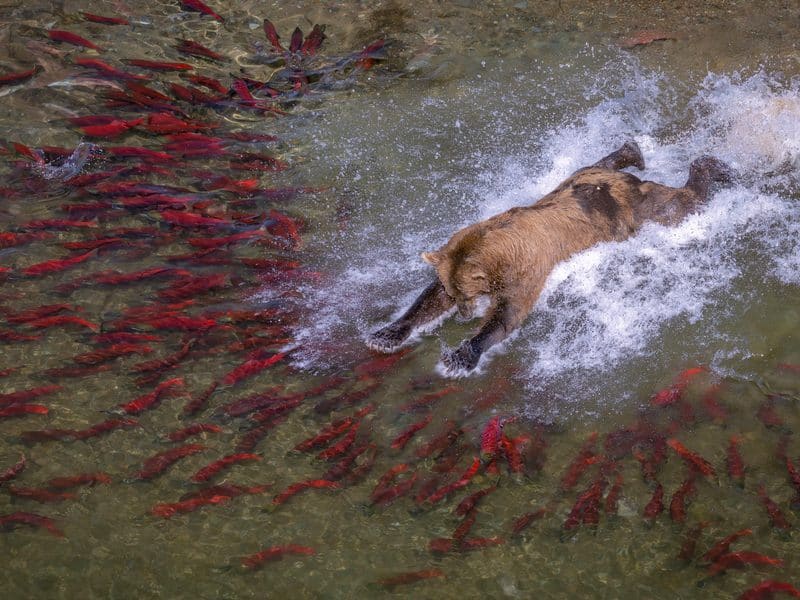
The Art of the Catch
To bulk up for winter hibernation, Alaska’s brown bears employ a range of techniques for snaring salmon.
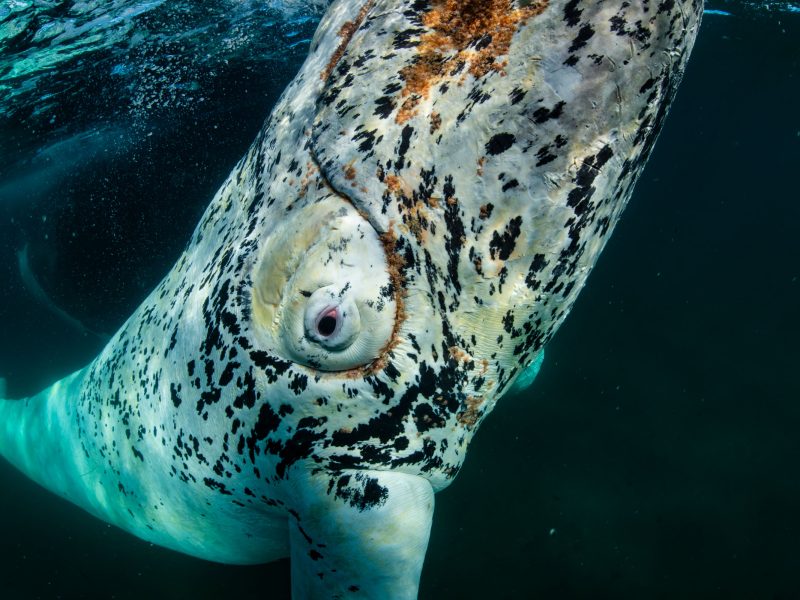
The Wonder of a Pale Whale
A curious calf with an atypical birthday suit is a good sign for southern right whales.