
Photograph by John Vosloo
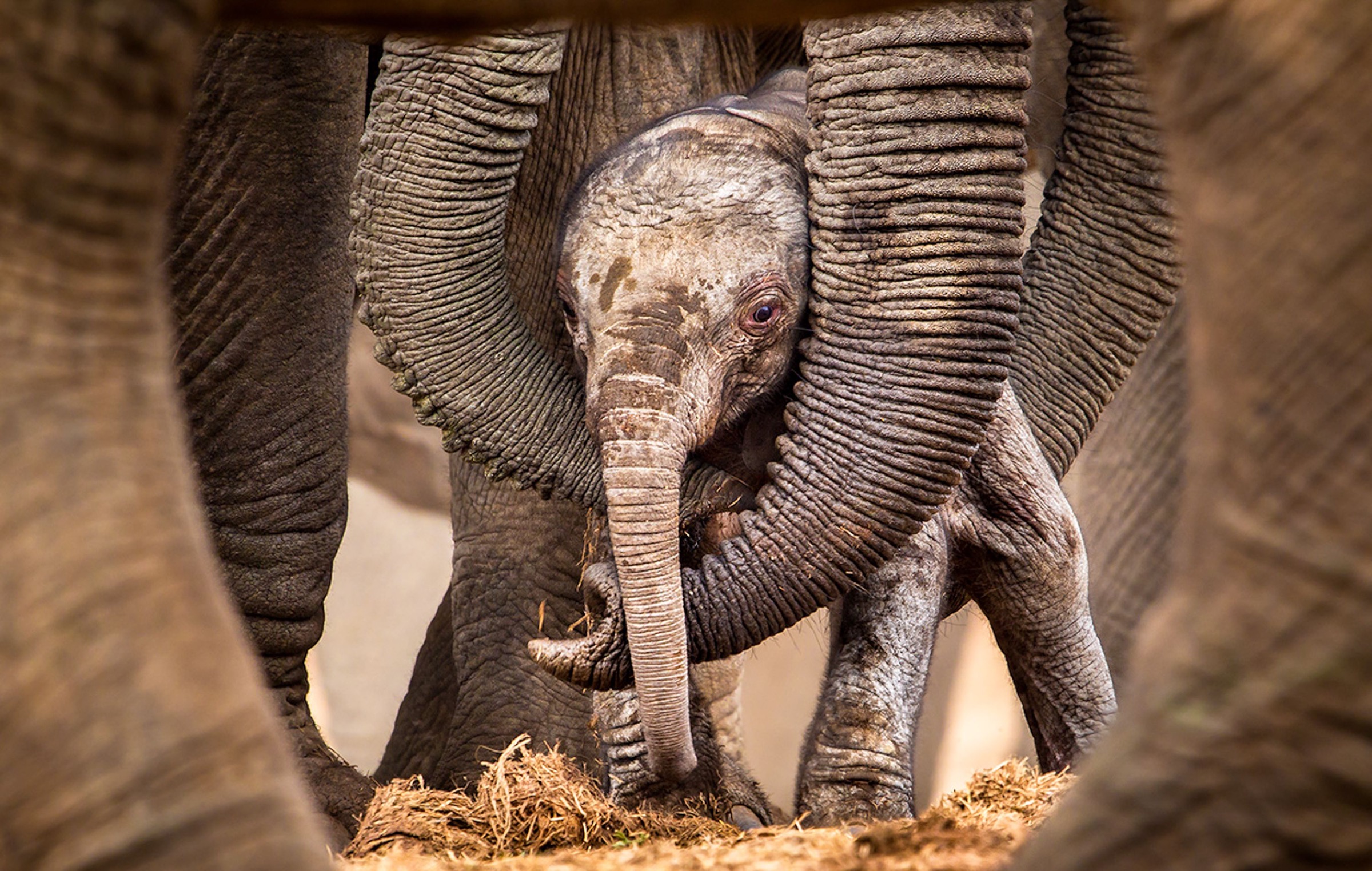
Life in the African bush isn’t exactly a walk in the park for a wobbly-legged newborn elephant. Fortunately for this youngster, who was just a day or two old when wildlife photographer John Vosloo captured his portrait in South Africa’s Addo Elephant National Park, he doesn’t have to go it alone. Like all African elephants (Loxodonta africana), he will be raised not only by his mother, but also by a doting collaborative of cousins, sisters, and aunts. These additional caregivers, known as allomothers, gain valuable calf-raising experience through their babysitting efforts—practice for the day when they’ll have their own babies.
African elephants can usually walk unassisted within about 15 to 30 minutes of their birth, but they’re far from independent at that stage. The newborns rely exclusively on nursing for the first four months of their lives, and they continue to nurse occasionally for the next three to four years. While these youngsters turn only to their mothers for milk, they often gain other life skills from their many nannies, learning how to use their unwieldy trunks, find solid food, and steer clear of predators.
Once they reach adulthood, the main threat for African elephants becomes humans. Due primarily to poaching and habitat loss, the species is now listed by the IUCN as Vulnerable globally. Fortunately, the risk of poaching in this particular park, South Africa’s third largest, is much lower than in unprotected areas. When Addo was established as an elephant sanctuary in 1931, hunting was rampant, and only 11 elephants remained. But thanks to federal protections enforced within the park—and the help of new GPS technology that is helping rangers to pinpoint the location of poachers—the population of elephants is now approaching 700. With this latest addition, the herd is now one elephant stronger.
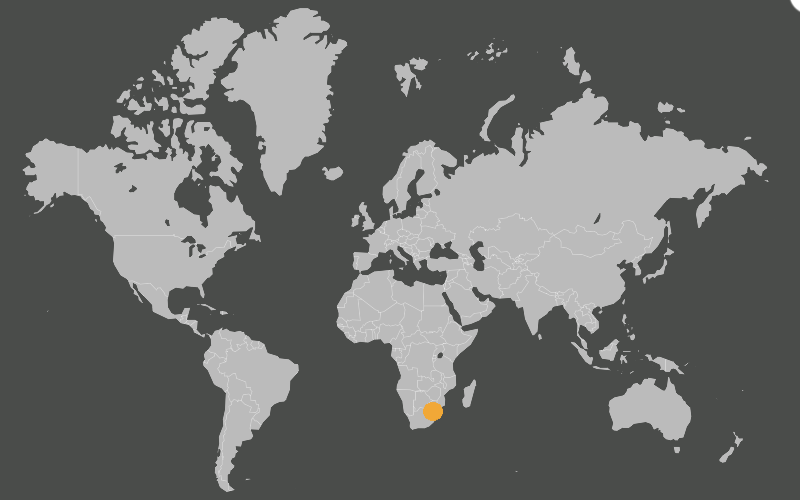
Addo Elephant National Park, South Africa
Hi, I’m Dave, the executive director of bioGraphic. (And that’s my dog, Finn.) Thanks for taking the time to read this story.
Stories like this simply don’t get produced without financial support from readers like you. bioGraphic is not backed by a private company or owned by a billionaire. It’s an independent, nonprofit magazine. And one-quarter of our annual budget comes directly from reader donations.
We need your support more than ever, as governments slash funding for conservation and scientific research, placing even more ecosystems and wildlife at risk around the world. At bioGraphic, we’re steadfastly shining a light on the threats to our planet’s incredible biodiversity. And we’re showcasing the hard work of people bravely taking action to protect at-risk species.
bioGraphic publishes environmental reporting that you can’t find anywhere else: deeply researched, trustworthy stories that are also beautiful and captivating to read. We offer an antidote to reader apathy and doom-and-gloom news by revealing the wonders of the natural world and focusing on real solutions to big problems. When you finish a bioGraphic story, we want to leave you feeling informed, delighted, and inspired.
We don’t run ads or hide our stories behind a paywall. The readers who generously support bioGraphic allow our work to remain free for everyone.
Will you help us keep telling these crucial stories?

Author

Related Articles
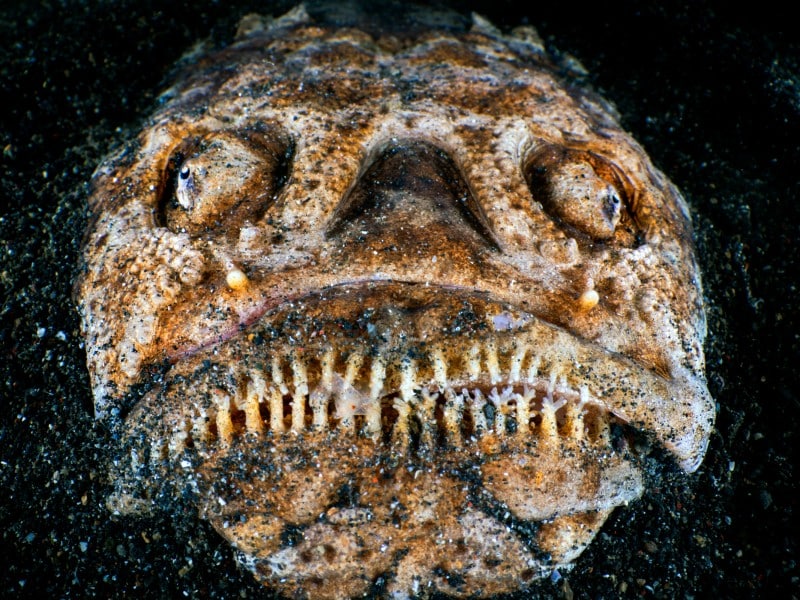
Burial at Sea
The whitemargin stargazer’s ghoulish, upturned face allows the fish to bury its body in sand and nearly disappear—while watching for its next unsuspecting meal.
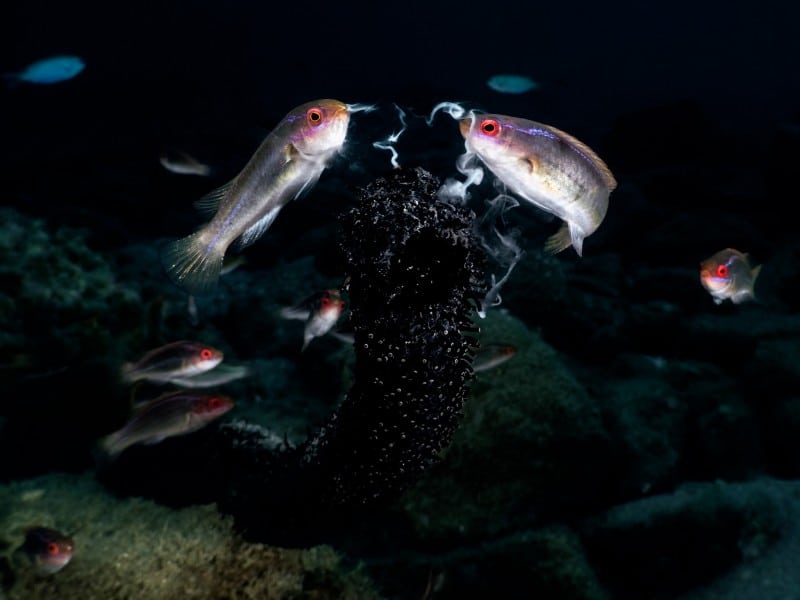
Milt Meal
Marine creatures will do almost anything for a meal—including feasting on the sperm and eggs of spawning invertebrates.
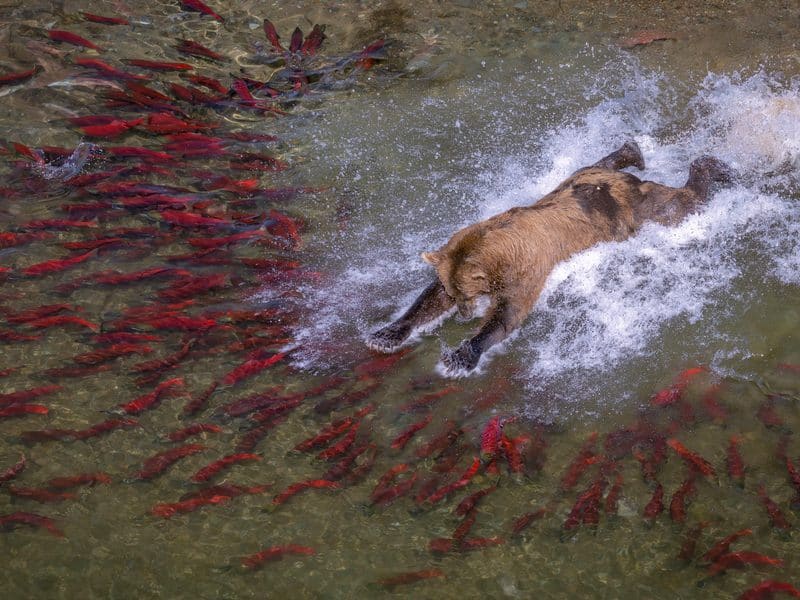
The Art of the Catch
To bulk up for winter hibernation, Alaska’s brown bears employ a range of techniques for snaring salmon.