
Photograph by Maroesjka Lavigne
Story by Katie Jewett

Lumbering across Namibia’s Etosha National Park, a solitary black rhino (Diceros bicornis) emerges from the vast, pastel landscape like an arid apparition. While it’s common for rhinos to wallow in mud and dust to ward off biting insects, the salt deposits that form in shallow depressions at Etosha paint the animals’ skin a ghostly hue.
As part of her “Land of Nothingness” project, photographer Maroesjka Lavigne traveled to Namibia in search of scenes in which plants and animals blend into their natural environment. There she encountered this lone black rhino practically vanishing into the backdrop of the ancient salt-pan lakebed. It was an unforgettable close encounter with a magnificent yet threatened animal. “My heart felt like it was going to explode from adrenaline,” Lavigne says. This photograph was selected as the Grand Prize winner of the California Academy of Sciences’ 2016 BigPicture photography competition.
Despite promising conservation efforts in recent decades, both black rhinos and white rhinos (Ceratotherium simum) now face an increasingly aggressive threat: poachers seeking to cash in on the illegal market for rhino horn.
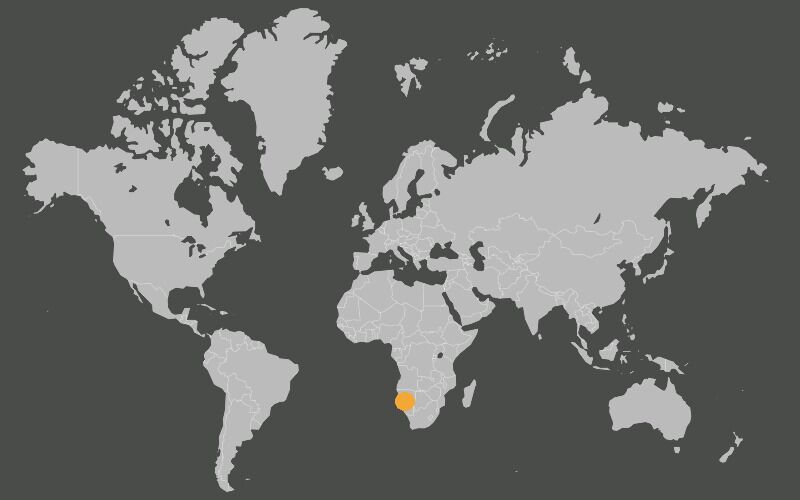
Etosha National Park, Namibia
Hi, I’m Dave, the executive director of bioGraphic. (And that’s my dog, Finn.) Thanks for taking the time to read this story.
Stories like this simply don’t get produced without financial support from readers like you. bioGraphic is an independent non-profit—we’re not backed by a private company or owned by a billionaire. One-quarter of our budget comes directly from reader donations.
bioGraphic publishes environmental reporting that you can’t find anywhere else: deeply researched, trustworthy stories that are also beautiful and captivating to read. Right now, we need your help to raise $30,000 by October 2. Every dollar will go directly to more crucial reporting projects.
Around the world, governments are slashing funding for conservation and scientific research, placing even more ecosystems and wildlife at risk. At bioGraphic, we’re steadfastly shining a light on the threats to our planet’s incredible biodiversity. And we’re showcasing the hard work of people bravely taking action to protect at-risk species.
bioGraphic offers an antidote to apathy and doom-and-gloom news by revealing the wonders of the natural world and focusing on real solutions to big problems. When you finish a bioGraphic story, we want to leave you feeling informed, delighted, and inspired.
We don’t run ads or hide our stories behind a paywall. The readers who generously support bioGraphic allow our work to remain free for everyone.
We reached our goal, but there’s time left. Will you help us smash our original goal and reach a new goal of $30,000 by October 2?

Related Articles
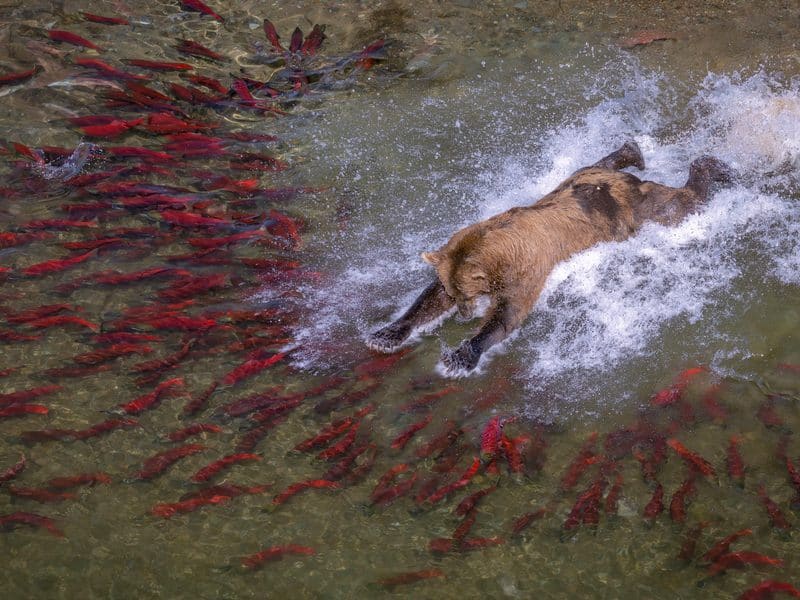
The Art of the Catch
To bulk up for winter hibernation, Alaska’s brown bears employ a range of techniques for snaring salmon.
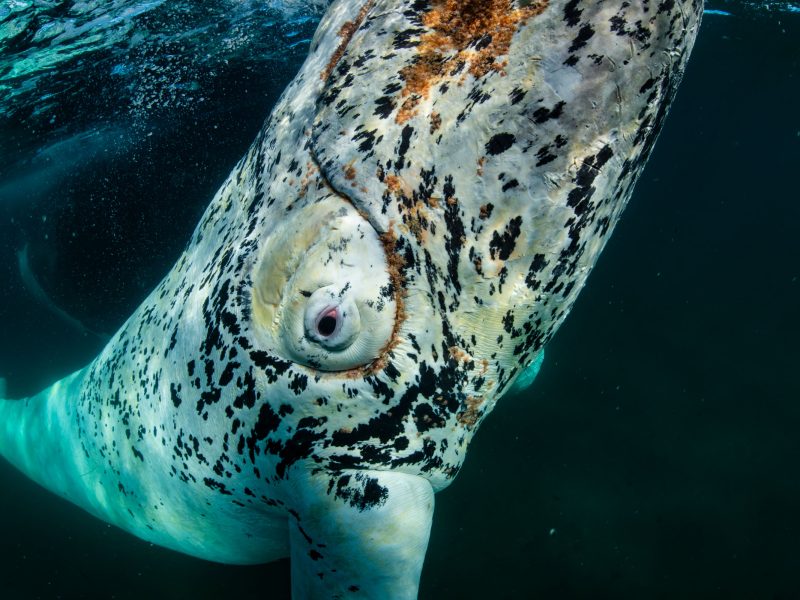
The Wonder of a Pale Whale
A curious calf with an atypical birthday suit is a good sign for southern right whales.
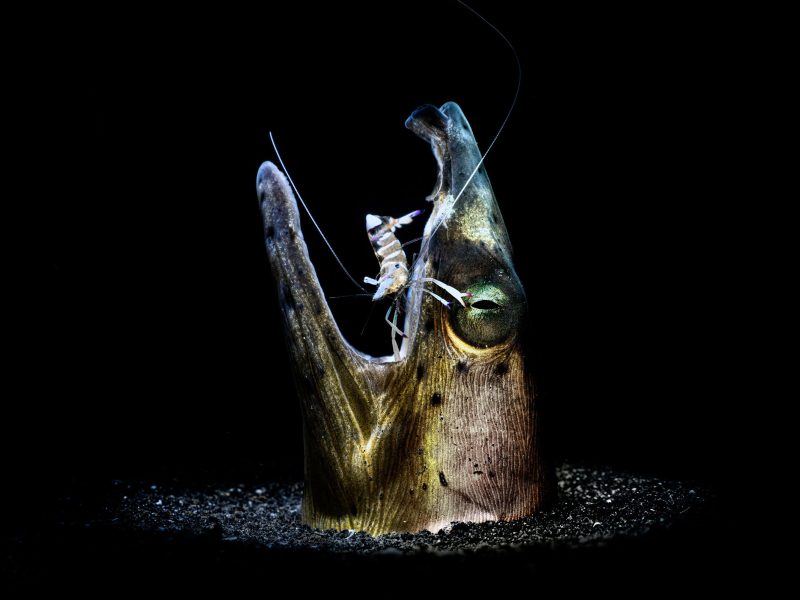
Saying “Ah!” at the Shrimp Spa
On coral reefs, an army of tiny cleaners eat their clients’ parasites, food particles, and dead skin, boosting biodiversity in the process.
