
Photograph by Steven Kovacs
Story by Madison Pobis

Descending into pitch-black open ocean under the cover of inky skies can unnerve even experienced divers, but for underwater photographer Steven Kovacs, it’s a surprisingly addictive activity. “It’s like a treasure hunt. You never know what amazing creature will drift by or come up from the depths.” While Kovacs has documented the strange and beautiful larval forms of many species during such dives, this opalescent lionfish fry (Pterois volitans) was a particularly arresting sight. Turning in slow circles some 8 kilometers (5 miles) off the Florida coast and 150 meters (500 feet) above the ocean floor, the larval fish was—for the moment—a peaceful ocean drifter. In a matter of weeks, however, it would become a voracious predator primed to play its part in decimating nearby reef ecosystems.
If Atlantic coral reefs had a Most Wanted list, the invasive red lionfish would certainly be at the top. Native to the Indian and Pacific Oceans, the species first arrived in the United States via the aquarium trade. Since the first few individuals appeared along Florida’s reefs in 1984, lionfish have spread and proliferated with astonishing speed. While their venomous spines and insatiable appetites are two oft-cited keys to the fishes’ highly successful invasion, recent research suggests that larval development and dispersal also play a significant role in their spread.
The lionfish life cycle begins with a just-after-sundown courtship ritual in which a mature female follows a male to the ocean’s surface and releases two floating egg masses—gelatinous bundles that can collectively contain up to 42,000 eggs. The male then fertilizes the eggs, which have a high survival rate, thanks to their protective gelatinous shield. Each female, which reaches sexual maturity within a year of life, can spawn every two to three days. And unlike many other species that have a more defined breeding season, lionfish can spawn year-round.
During the 20 to 35 days of their planktonic larval phase, lionfish eggs and fry drift on ocean currents, often traveling great distances. Larval lionfish that hatch in Cuba regularly wind up as far away as the Carolinas. And during hurricanes and other extreme weather events, they can travel even farther.
Not surprisingly, eradicating the species is a formidable task. Studies have indicated that at least 27 percent of the invading adult lionfish in a population must be removed each month to make a dent in the size of the population. While most eradication efforts to date have targeted adults, recent learnings about lionfish development and reproduction suggest that including juveniles like this translucent apparition in culling plans may greatly increase their efficiency—promising news for the native fish that have dwindled in the wake of the lionfish invasion.

Off the coast of Palm Beach, Florida
Hi, I’m Dave, the executive director of bioGraphic. (And that’s my dog, Finn.) Thanks for taking the time to read this story.
Stories like this simply don’t get produced without financial support from readers like you. bioGraphic is not backed by a private company or owned by a billionaire. It’s an independent, nonprofit magazine. And one-quarter of our annual budget comes directly from reader donations.
We need your support more than ever, as governments slash funding for conservation and scientific research, placing even more ecosystems and wildlife at risk around the world. At bioGraphic, we’re steadfastly shining a light on the threats to our planet’s incredible biodiversity. And we’re showcasing the hard work of people bravely taking action to protect at-risk species.
bioGraphic publishes environmental reporting that you can’t find anywhere else: deeply researched, trustworthy stories that are also beautiful and captivating to read. We offer an antidote to reader apathy and doom-and-gloom news by revealing the wonders of the natural world and focusing on real solutions to big problems. When you finish a bioGraphic story, we want to leave you feeling informed, delighted, and inspired.
We don’t run ads or hide our stories behind a paywall. The readers who generously support bioGraphic allow our work to remain free for everyone.
Will you help us keep telling these crucial stories?

Related Articles
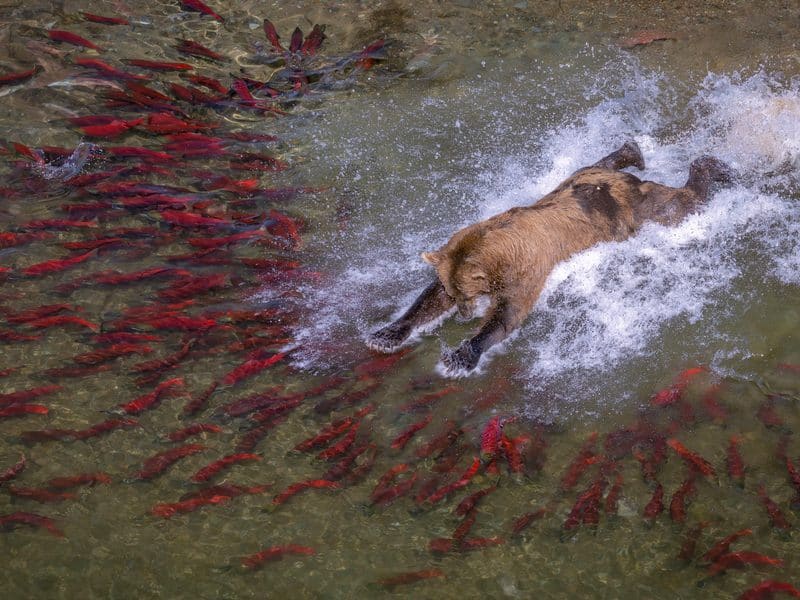
The Art of the Catch
To bulk up for winter hibernation, Alaska’s brown bears employ a range of techniques for snaring salmon.
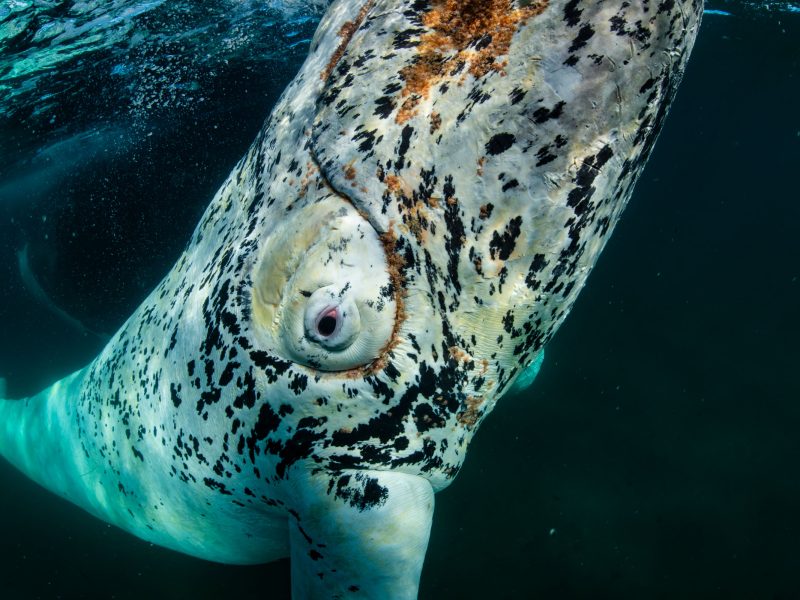
The Wonder of a Pale Whale
A curious calf with an atypical birthday suit is a good sign for southern right whales.
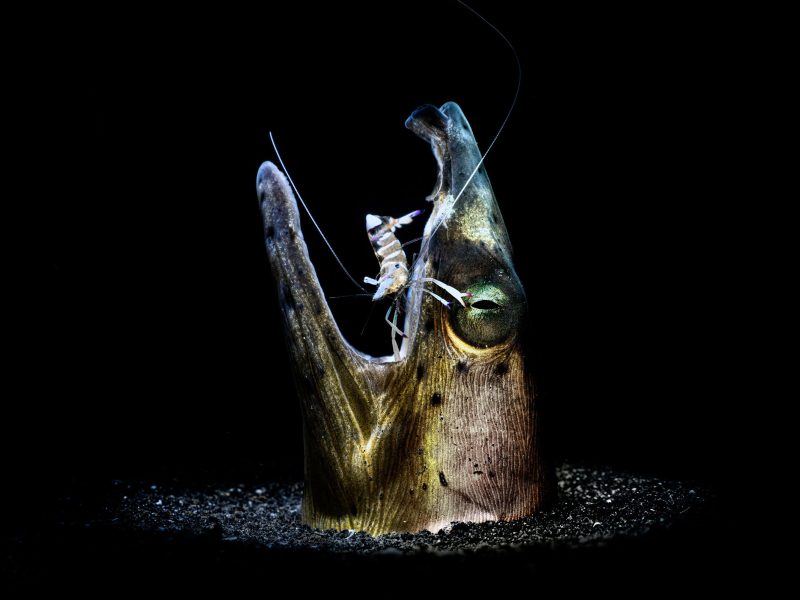
Saying “Ah!” at the Shrimp Spa
On coral reefs, an army of tiny cleaners eat their clients’ parasites, food particles, and dead skin, boosting biodiversity in the process.
