
Photograph by Wim van den Heever
Story by Steven Bedard

Often when we think about contests between predator and prey, it’s a high-speed chase that comes to mind, or an awe-inspiring defensive display. But sometimes, as is the case with this Cape fur seal and the unwieldy octopus it’s just caught, finding and catching one’s prey is only half the battle. Subduing and actually eating the thing can be quite another.
Cape fur seals (Arctocephalus pusillus pusillus) are common in the waters off Africa’s southwest coast, including here in Cape Town’s False Bay. Cold, nutrient-rich currents provide a steady source of food for a wide range of organisms, and the seals aren’t picky eaters. As generalist carnivores, they prey on just about anything they can catch, from mackerel, sardines, and squid to crabs, lobsters, and the occasional octopus. While each of these creatures presents its own set of challenges, octopuses are unique. The powerful, shell-less mollusks are well known for their ability to squeeze out of all kinds of tricky situations, including the toothy grasp of a predator. And they’re tough to chew, as anyone who’s ever eaten under-cooked octopus can attest.
Undeterred, the opportunistic fur seals have found a way to both subdue and process large octopuses whenever they’re fortunate enough to catch them. Like energetic dogs with their chew toys, the seals use the speed of their own movements and the resistance of the surrounding water to their advantage. By repeatedly shaking, dragging, and slapping their prey across the water’s surface, the mammals begin to gain the upper hand—stunning the octopus at first and then, slowly, tearing the mollusk’s body into bite-sized bits. It’s an unceremonious end for the octopus, but a critical source of calories and protein for the seal.
While Cape fur seals face their own natural predators, including the sharks and orcas that patrol South Africa’s waters, their greatest threat is humankind—particularly during the breeding season when the seals come ashore to mate and give birth. Congregating on beaches by the hundreds or thousands, the slow-moving mammals make easy targets, and hunters, seeking the animals’ pelts, take advantage—as they have been for centuries. Today on the shores of Namibia, where more than half of the Cape fur seal population breeds, commercial “furriers” still harvest some 80,000 pups and 6,000 bulls each year to supply markets with seal-derived products and pelts. In contrast, South Africa ended its commercial seal trade in 1990. Since that time, the population has rebounded and now appears to be stable—a testament to both the effectiveness of simple conservation efforts like this and the Cape fur seal’s resourcefulness.

False Bay, Cape Town, South Africa
Hi, I’m Dave, the executive director of bioGraphic. (And that’s my dog, Finn.) Thanks for taking the time to read this story.
Stories like this simply don’t get produced without financial support from readers like you. bioGraphic is an independent non-profit—we’re not backed by a private company or owned by a billionaire. One-quarter of our budget comes directly from reader donations.
bioGraphic publishes environmental reporting that you can’t find anywhere else: deeply researched, trustworthy stories that are also beautiful and captivating to read. Right now, we need your help to raise $30,000 by October 2. Every dollar will go directly to more crucial reporting projects.
Around the world, governments are slashing funding for conservation and scientific research, placing even more ecosystems and wildlife at risk. At bioGraphic, we’re steadfastly shining a light on the threats to our planet’s incredible biodiversity. And we’re showcasing the hard work of people bravely taking action to protect at-risk species.
bioGraphic offers an antidote to apathy and doom-and-gloom news by revealing the wonders of the natural world and focusing on real solutions to big problems. When you finish a bioGraphic story, we want to leave you feeling informed, delighted, and inspired.
We don’t run ads or hide our stories behind a paywall. The readers who generously support bioGraphic allow our work to remain free for everyone.
We reached our goal, but there’s time left. Will you help us smash our original goal and reach a new goal of $30,000 by October 2?

Related Articles
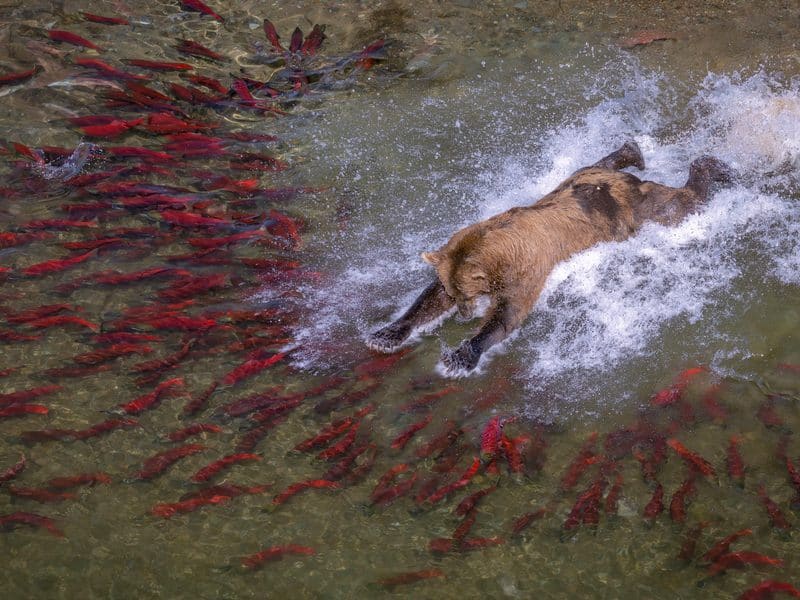
The Art of the Catch
To bulk up for winter hibernation, Alaska’s brown bears employ a range of techniques for snaring salmon.
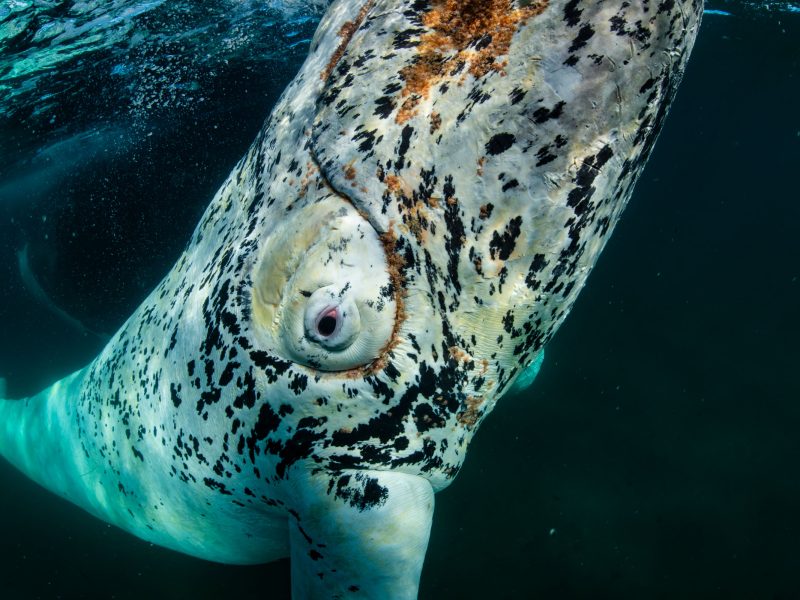
The Wonder of a Pale Whale
A curious calf with an atypical birthday suit is a good sign for southern right whales.
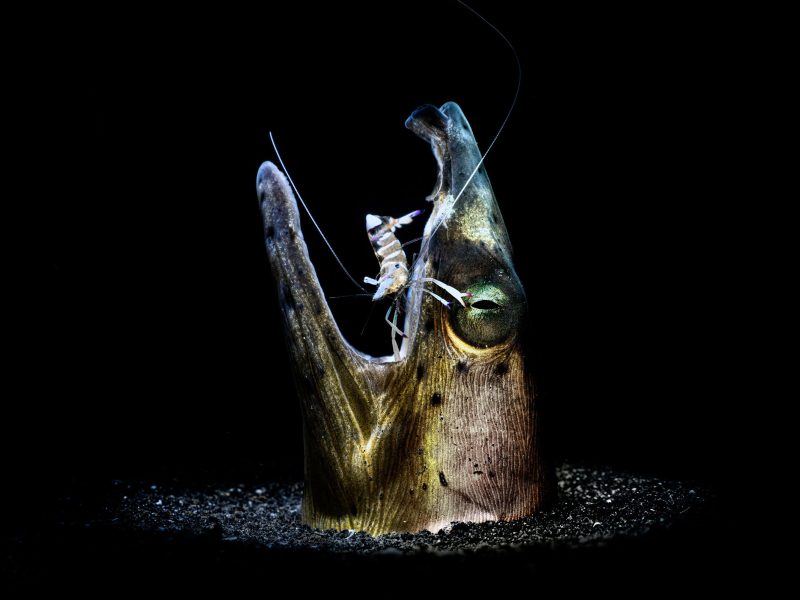
Saying “Ah!” at the Shrimp Spa
On coral reefs, an army of tiny cleaners eat their clients’ parasites, food particles, and dead skin, boosting biodiversity in the process.
