Unmasking the Sea Star Killer
After a decade of carnage, we finally know what’s devastating sea stars along North America’s West Coast. Does that mean scientists can save them?


After a decade of carnage, we finally know what’s devastating sea stars along North America’s West Coast. Does that mean scientists can save them?
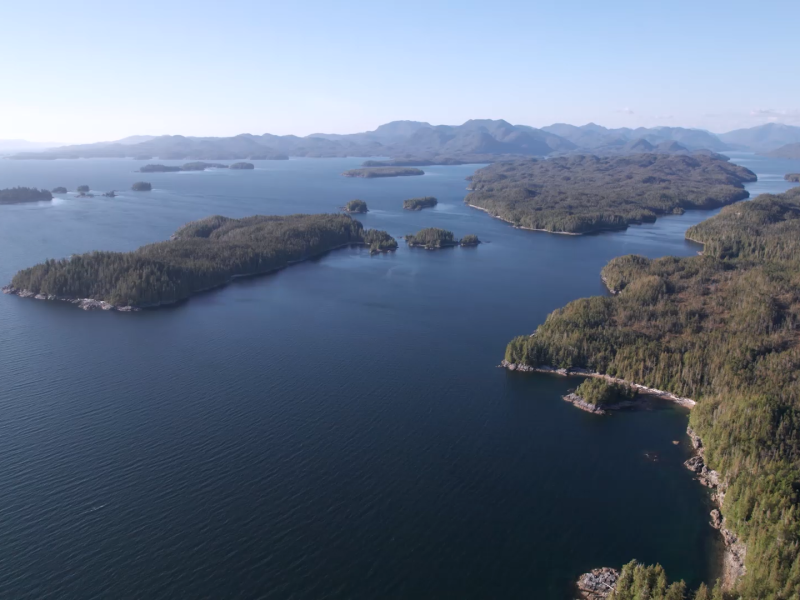
After decades of discord, Canada and First Nations are working together to build a network of marine protected areas stretching from Vancouver Island to Alaska.
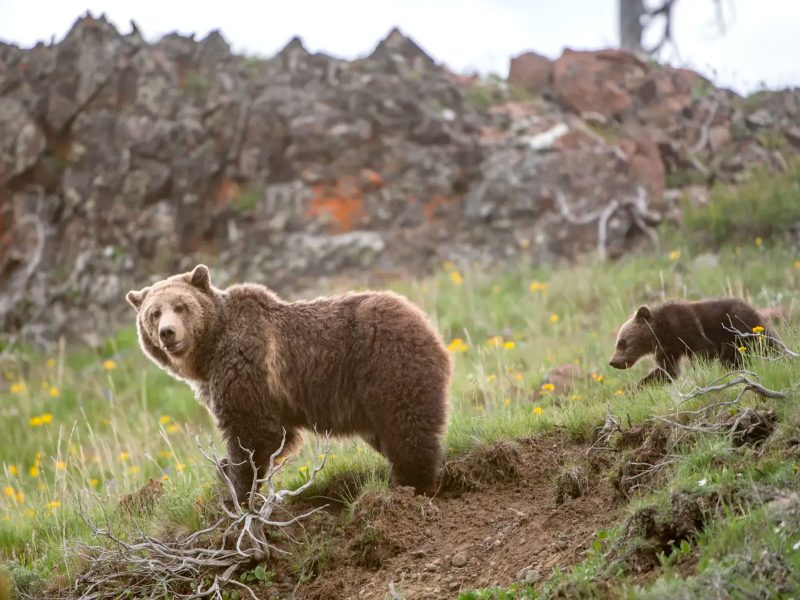
Removing grizzlies from the U.S. endangered species list could leave bears vulnerable. It could also lead to broader trust in government conservation efforts.
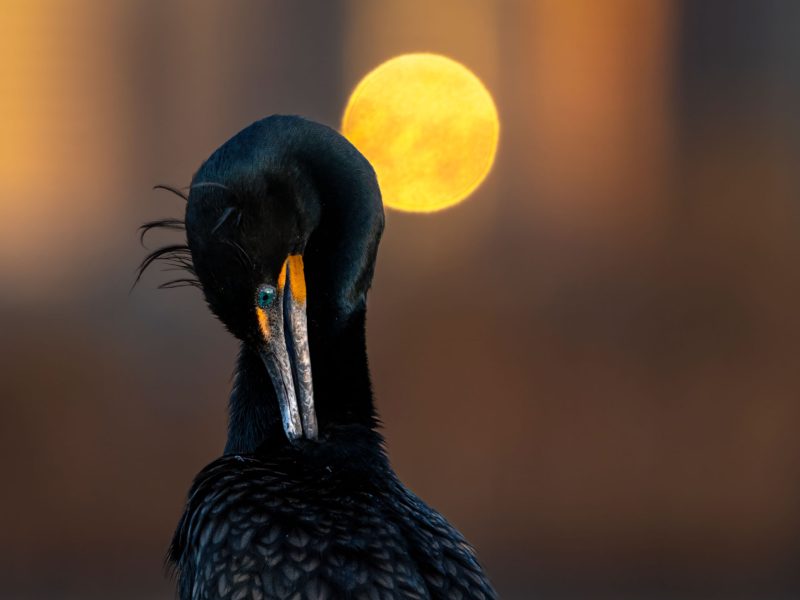
North America’s largest and most urban double-crested cormorant colony shows how people can share space with an unfairly reviled species.

What urban wildlife can teach us about cognition, survival, and how to be good neighbors.

In an era of collapse, a fabled fish keeps coming back to the Nisg̱a’a nation.

In a warming world, urban rats are thriving. There’s a simple solution, but the implementation isn’t easy.
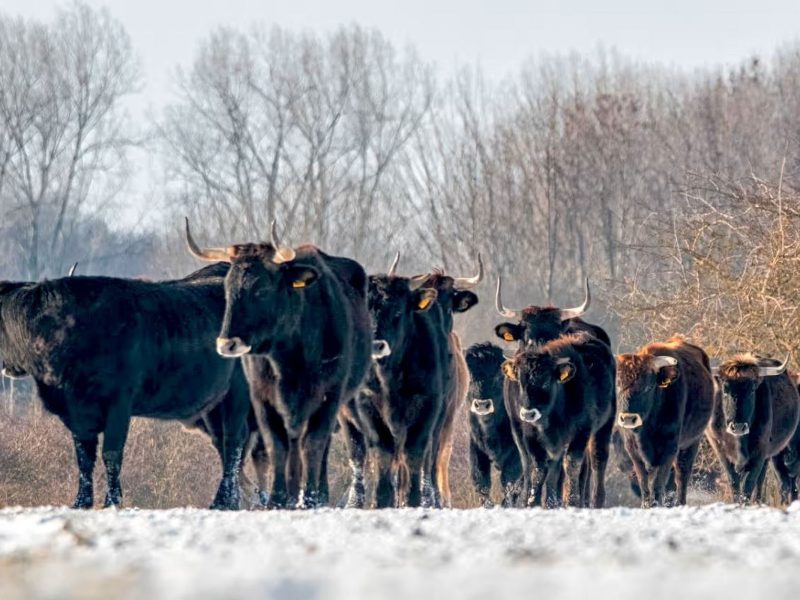
Scientists largely agree “de-extinction” is a misnomer—but the DNA of lost species can still boost conservation.
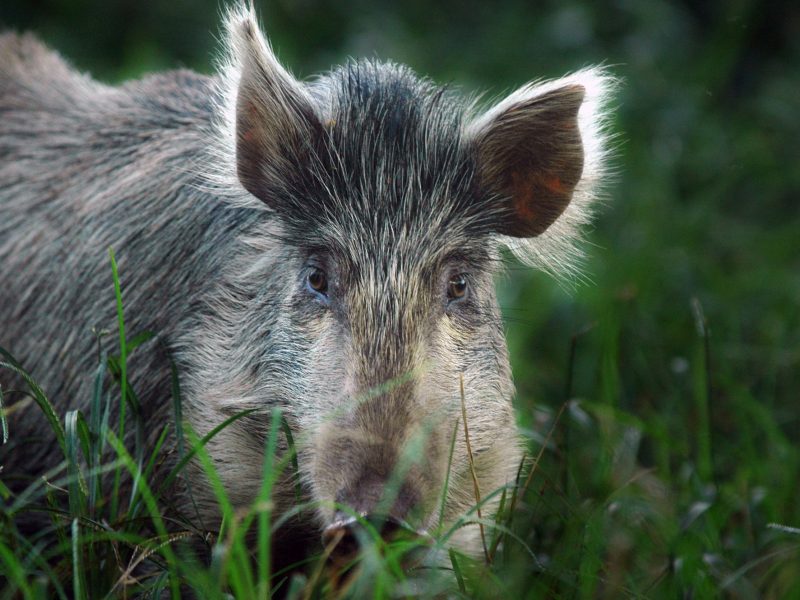
In Hawai‘i, people, pigs, and ecosystems only have so much room to coexist, and the pigs exist a little too much.

A unique fjord in Chilean Patagonia gives scientists a chance to unlock the reproductive secrets of cold-water corals that typically live thousands of meters below the ocean’s surface.