How Whales Found Peace in War
A forgotten museum collection reveals how a pause in industrial whaling during World War II changed whales at the molecular level.


A forgotten museum collection reveals how a pause in industrial whaling during World War II changed whales at the molecular level.

By monitoring the embryos of a little-studied forage fish, scientists hope to track and minimize the damaging effects of pollution in important coastal habitats.

A mysterious population of peregrine falcons in the Far North has inspired environmental action and scientific research around the world.

After years of steady gains, a decades-long conservation program for the world’s most endangered turtle hits rough seas.

Fisheries scientists are only now coming to understand the important roles native “rough fish” play in freshwater ecosystems across North America—even as these long-maligned species are increasingly at risk.

Decomposing animals host diverse ecosystems that reveal the inner workings of microbial life.
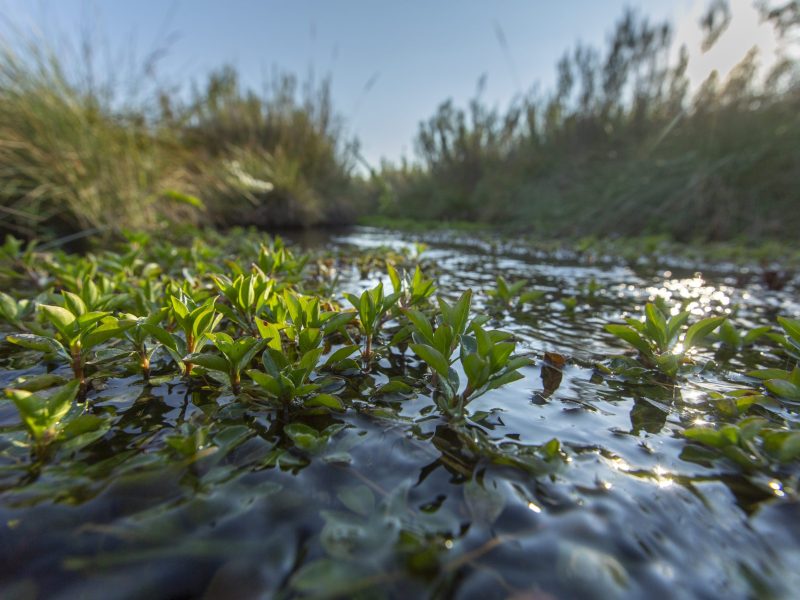
The freshwater springs of the American Southwest are among the most endangered ecosystems on Earth. Fortunately, they're also among the most resilient.

In Sweden, researchers working to save a rare variety of mountain hare think conservation should focus on genes, not just species.
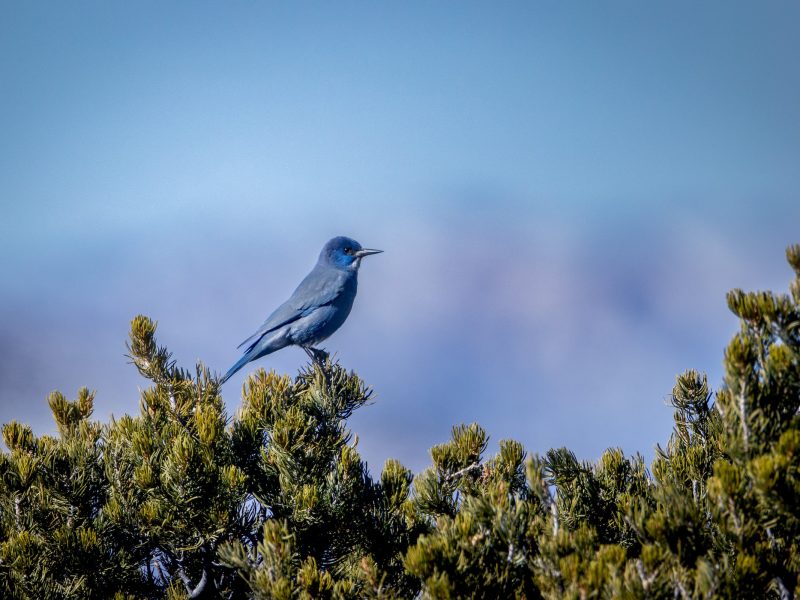
Steering pinyon jays from decline requires better knowing and tending one of the American West’s most unappreciated woodlands.

Laid end to end, the world’s fences would reach the sun. What are they doing to wildlife?