The Rattlers Next Door
Warming temperatures and increased development are putting more Californians in contact with rattlesnakes. Scientists are working to keep both safe.


Warming temperatures and increased development are putting more Californians in contact with rattlesnakes. Scientists are working to keep both safe.
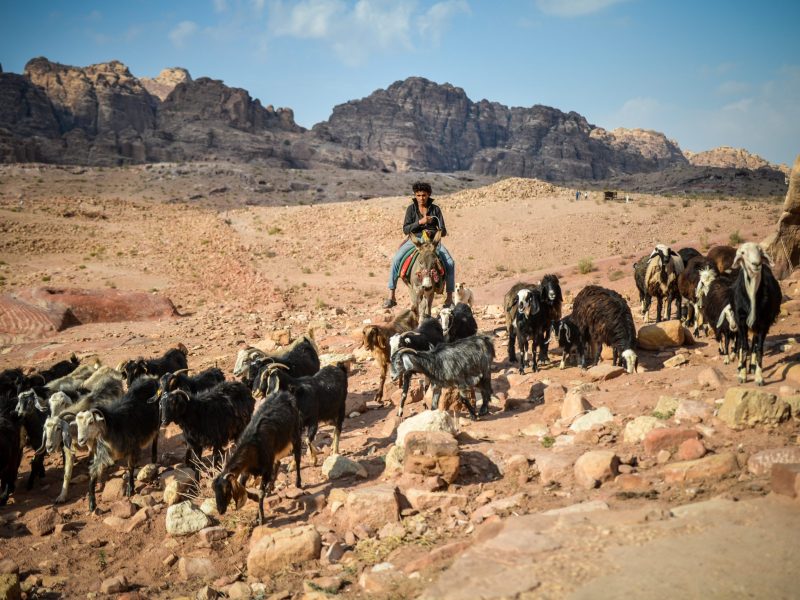
Faced with overgrazing and desertification, communities in the Middle East are reviving the concept of the hima, an ancient land-management practice that bridges tradition, culture, conservation—and faith.
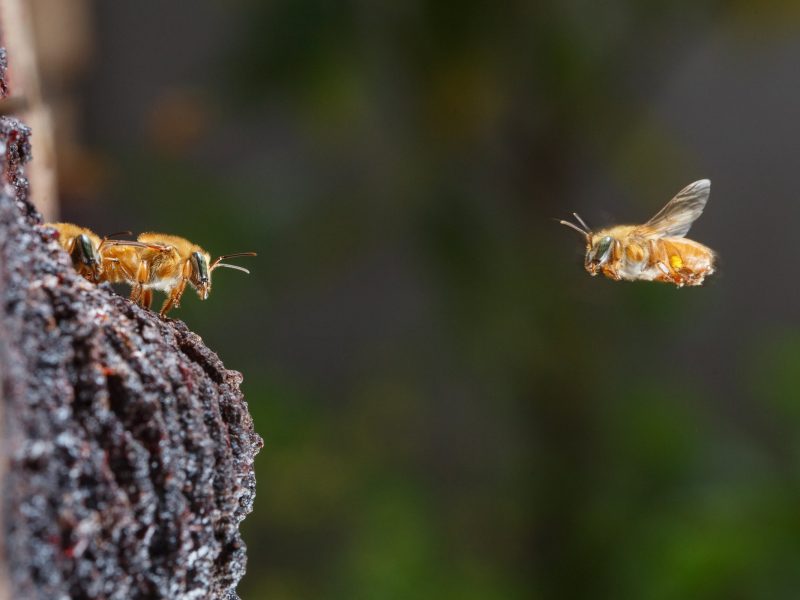
Indigenous communities in South America are raising native bees to help protect the insects, conserve forests, and strengthen their own cultural ties to the ecosystem.

Can Fiji’s first bat reserve keep an incredibly rare species safe despite the growing threats of climate change and human activity?
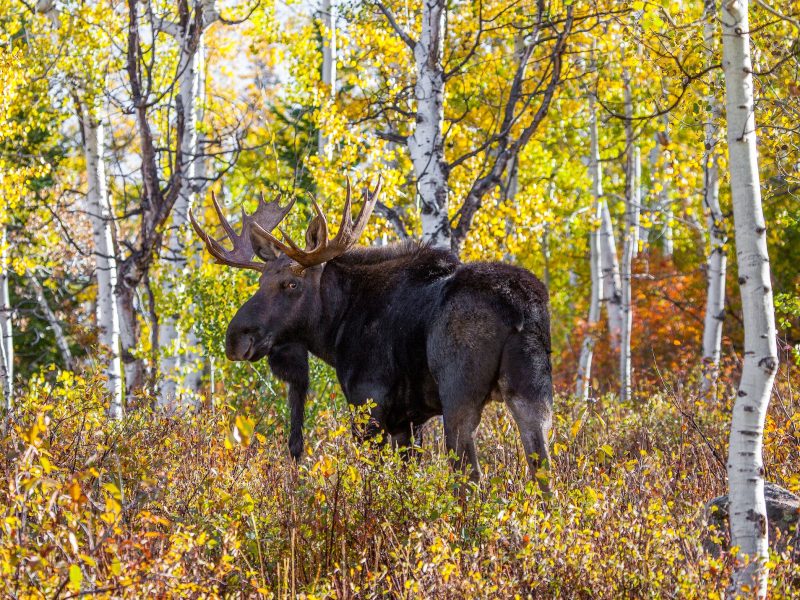
In an environment increasingly altered by the expanding footprint of human infrastructure, do moose have a place in Colorado's ecological future?
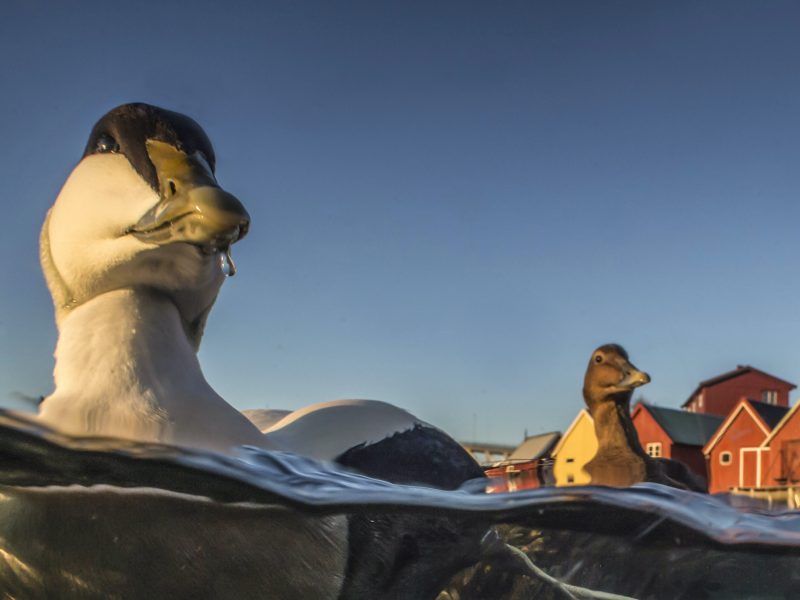
An age-old tradition in Norway illuminates the bonds between wild ducks, wild places, and the people who care for both.
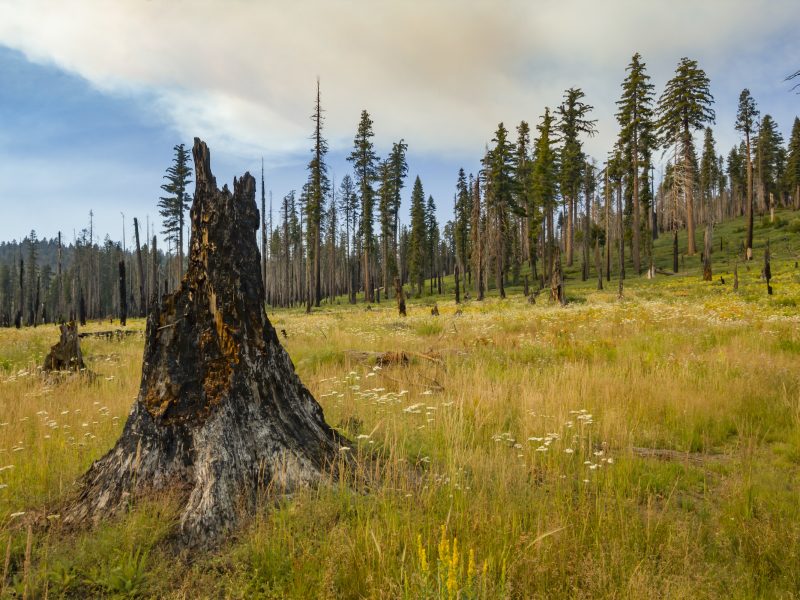
To combat the growing risk of catastrophic wildfires and to bring more water back onto the landscape, a tribe in California is helping to reshape fire management policy in the West.

To protect mangrove forests, traditional communities in coastal Brazil set their hopes on small-scale tourism.

In the face of growing environmental threats and porous regulations, grassroots groups have taken it upon themselves to protect waterways in the southeastern U.S.—and elsewhere around the world.

The Confederated Tribes of the Colville in Washington State are restoring the lands and species of their traditional ecological community.