
Photograph by Bence Máté

A wild boar (Sus scrofa)—also known as a wild pig or feral hog—forages under a starry night sky near the village of Gyulaj, western Hungary. These opportunistic omnivores are well adapted to a wide range of habitats, from forests and swamplands to parched deserts. Native to Europe and Asia, wild boars were introduced throughout much of the rest of the world in the 19th century. Due in large part to the species’ generalist nature, they quickly became established across one of the largest geographic ranges of any terrestrial mammal, and remain so today. Females and young males live in matriarchal groups called sounders, while older males typically remain solitary outside of the breeding season once they reach sexual maturity. Although wild boars are generally most active during the early morning and late afternoon, in areas where hunting pressure and other human disturbances are high, the animals commonly shift their patterns toward a more nocturnal way of life.
For this shot, Hungarian photographer Bence Máté used a specially designed device consisting of a timer and a motor attached directly to his camera lens. The device enabled Máté to control focus and exposure throughout the shot—capturing both a flashed image of the foraging boar in the foreground and a 40-second exposure of the stars of the Milky Way in the background.
Gyulaj, Hungary
Hi, I’m Dave, the executive director of bioGraphic. (And that’s my dog, Finn.) Thanks for taking the time to read this story.
Stories like this simply don’t get produced without financial support from readers like you. bioGraphic is not backed by a private company or owned by a billionaire. It’s an independent, nonprofit magazine. And one-quarter of our annual budget comes directly from reader donations.
We need your support more than ever, as governments slash funding for conservation and scientific research, placing even more ecosystems and wildlife at risk around the world. At bioGraphic, we’re steadfastly shining a light on the threats to our planet’s incredible biodiversity. And we’re showcasing the hard work of people bravely taking action to protect at-risk species.
bioGraphic publishes environmental reporting that you can’t find anywhere else: deeply researched, trustworthy stories that are also beautiful and captivating to read. We offer an antidote to reader apathy and doom-and-gloom news by revealing the wonders of the natural world and focusing on real solutions to big problems. When you finish a bioGraphic story, we want to leave you feeling informed, delighted, and inspired.
We don’t run ads or hide our stories behind a paywall. The readers who generously support bioGraphic allow our work to remain free for everyone.
Will you help us keep telling these crucial stories?

Related Articles
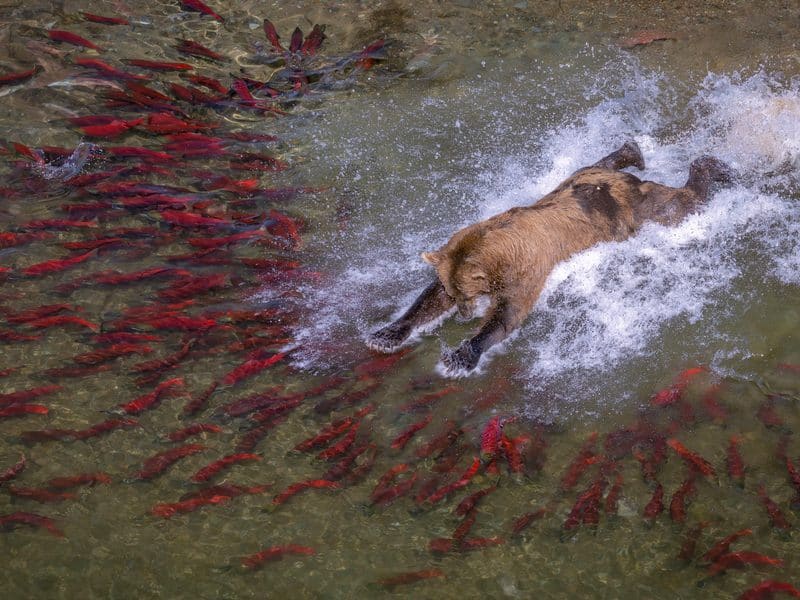
The Art of the Catch
To bulk up for winter hibernation, Alaska’s brown bears employ a range of techniques for snaring salmon.
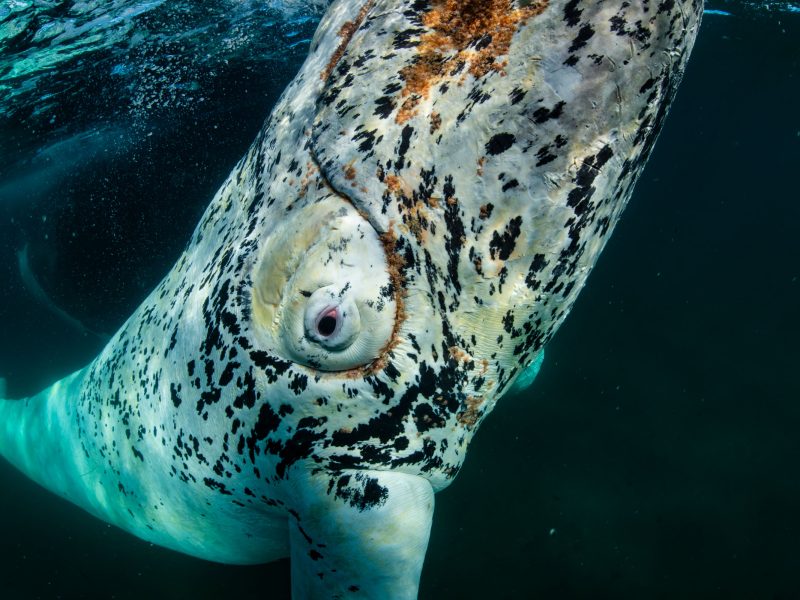
The Wonder of a Pale Whale
A curious calf with an atypical birthday suit is a good sign for southern right whales.
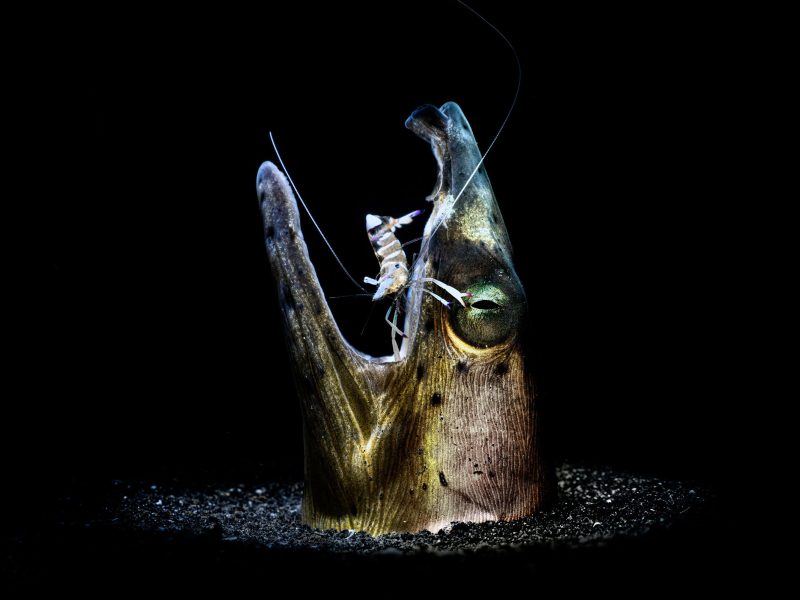
Saying “Ah!” at the Shrimp Spa
On coral reefs, an army of tiny cleaners eat their clients’ parasites, food particles, and dead skin, boosting biodiversity in the process.
