
Photograph by Tony Wu

Stretching to lengths of 30 meters (98 feet) or more, and weighing some 190 metric tons (420,000 pounds), blue whales (Balaenoptera musculus) are the largest animals on the planet. In fact, they’re thought to be the largest animals ever to have lived on Earth.
Despite their massive size, blue whales are rarely seen. Though still widely distributed throughout all of the world’s major oceans (except the Arctic), their numbers are a small fraction of what they used to be. Estimated at 10,000 to 25,000 individuals, the current global population of blue whales is thought to be just 3–11 percent of what it was in 1911, when modern commercial whaling operations were first beginning to ramp up.
Fortunately, whaling was largely eliminated as a threat to the species when the International Whaling Commission (IWC) granted the blue whale protection in 1966, and then set catch limits at zero in 1986. Since those protections were put in place, blue whale populations have begun to rebound, but slowly—largely due to the fact that the species’ average generation time is 31 years. The International Union for Conservation of Nature (IUCN) currently lists the species as Endangered.
The rarity of blue whales is not the only reason these animals are a challenge to find—and photograph. Few photographers know these challenges better than Tony Wu, who has devoted much of his career to photographing whales in some of the world’s remotest stretches of ocean. “It’s difficult to approach blue whales,” Wu says. “They’re large and usually move quite quickly.” This particular whale, however, seemed to be curious about the photographer as he entered the water from his small boat, approaching closely and swimming slowly enough that Wu could keep up with it as it caught its breath at the surface. Unlike many of the whales Wu encounters, this individual revisited him several times following its deep dives. In all, the whale visited Wu seven times that day, giving the photographer the rare opportunity to capture not only the creature’s massive size, but also its grace.
Hi, I’m Dave, the executive director of bioGraphic. (And that’s my dog, Finn.) Thanks for taking the time to read this story.
Stories like this simply don’t get produced without financial support from readers like you. bioGraphic is not backed by a private company or owned by a billionaire. It’s an independent, nonprofit magazine. And one-quarter of our annual budget comes directly from reader donations.
We need your support more than ever, as governments slash funding for conservation and scientific research, placing even more ecosystems and wildlife at risk around the world. At bioGraphic, we’re steadfastly shining a light on the threats to our planet’s incredible biodiversity. And we’re showcasing the hard work of people bravely taking action to protect at-risk species.
bioGraphic publishes environmental reporting that you can’t find anywhere else: deeply researched, trustworthy stories that are also beautiful and captivating to read. We offer an antidote to reader apathy and doom-and-gloom news by revealing the wonders of the natural world and focusing on real solutions to big problems. When you finish a bioGraphic story, we want to leave you feeling informed, delighted, and inspired.
We don’t run ads or hide our stories behind a paywall. The readers who generously support bioGraphic allow our work to remain free for everyone.
Will you help us keep telling these crucial stories?

Author

Related Articles
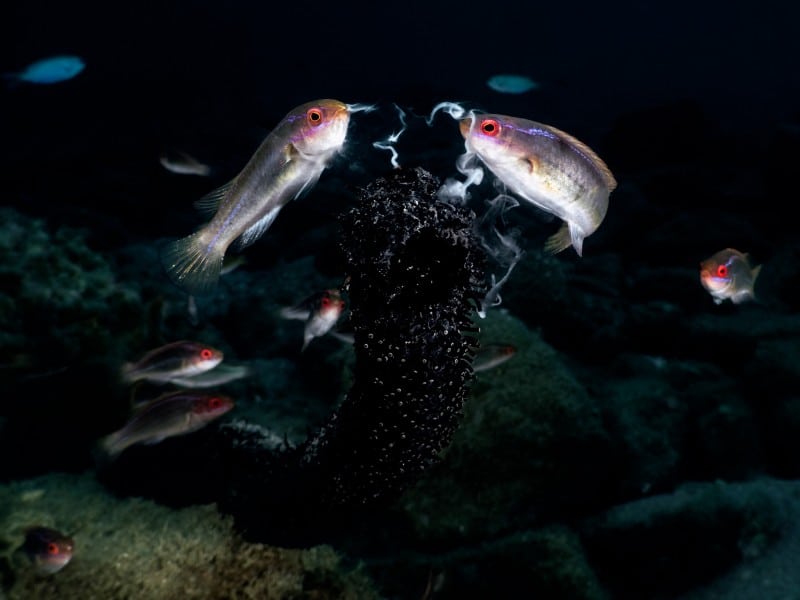
Milt Meal
Marine creatures will do almost anything for a meal—including feasting on the sperm and eggs of spawning invertebrates.
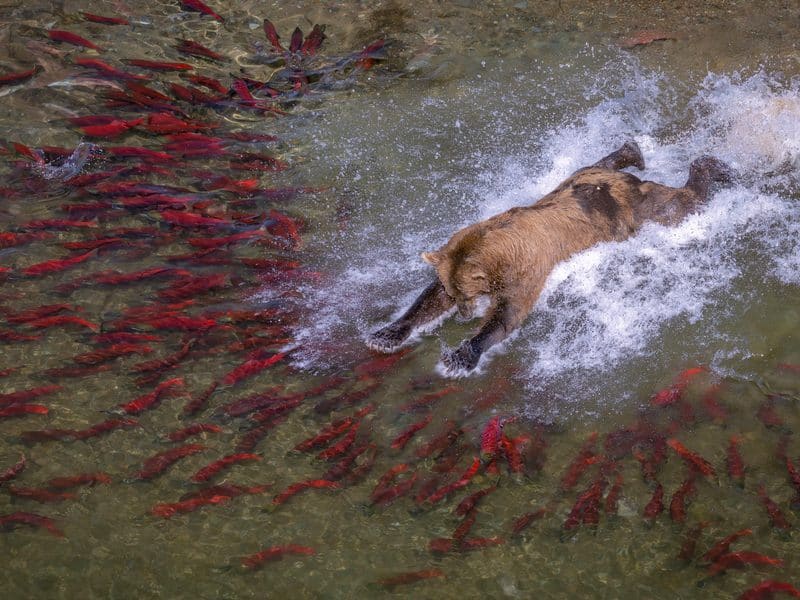
The Art of the Catch
To bulk up for winter hibernation, Alaska’s brown bears employ a range of techniques for snaring salmon.
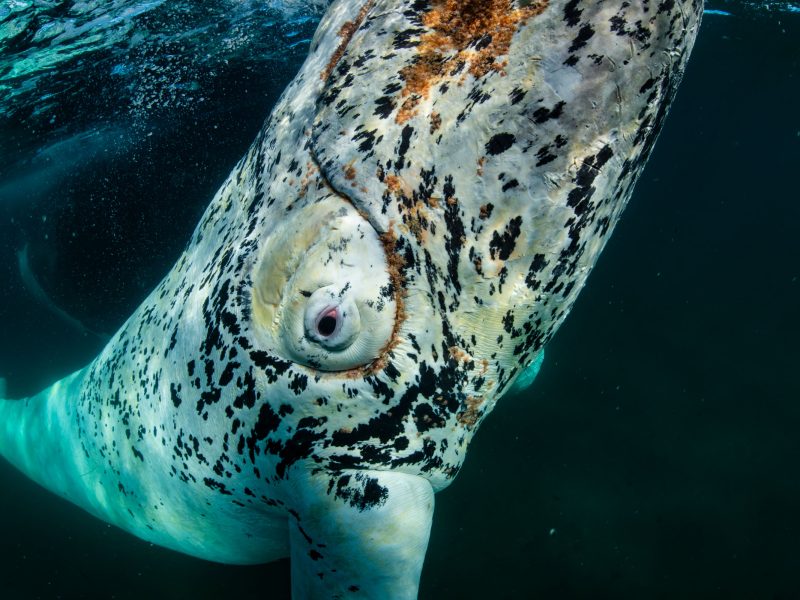
The Wonder of a Pale Whale
A curious calf with an atypical birthday suit is a good sign for southern right whales.