
Photograph by Tim Hunt
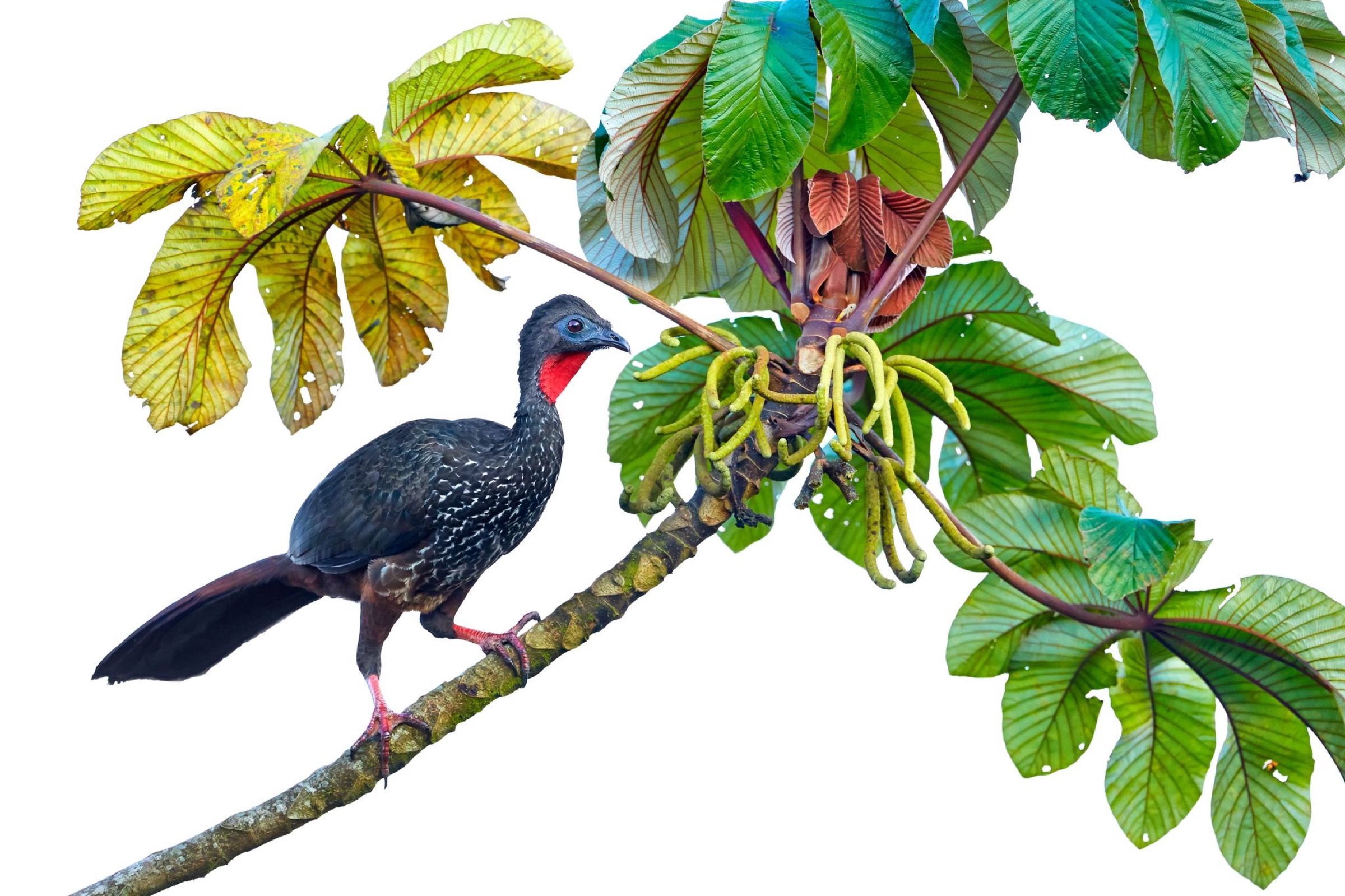
At first glance, it may seem that this crested guan (Penelope purpurascens) is simply the perfectly-situated subject of a portrait session in a studio. However, it’s actually doing much more than posing (it’s in the middle of a very important meal), and it’s a long way from a studio. Perched on the branch of a cecropia tree in Costa Rica’s Los Angeles Cloud Forest Reserve, this turkey-sized bird is feasting on the tree’s finger-shaped fruits. Later, it will deposit the seeds in ready-to-grow packets of fertilizer, helping to regenerate the forest. Because they feed on a wide variety of fruits and berries, including figs, papayas, and nutmeg fruits, crested guans and their relatives are considered to be among the most important seed dispersers in the cloud forest.
They are also among the most vulnerable. Like other large fruit-eating birds, crested guans are highly prized as a food source and are often a primary target for hunters. Their reproductive capacity makes them especially sensitive to this pressure—the females typically lay only two eggs per year, and the chicks don’t reach sexual maturity until they are at least three years old. Because these birds are often among the first species to disappear from a forest, scientists use them as an indicator species to assess the sustainability of hunting practices and quotas.
In the Los Angeles Cloud Forest Reserve, the birds have found a safe haven. When photographer Tim Hunt first came across this canopy dweller, it was silhouetted against a white blanket of clouds. Then, for just a few seconds, a beam of sunlight broke through the clouds and illuminated the bird, allowing him to capture this painterly picture of one of the forest’s most fruitful gardeners.
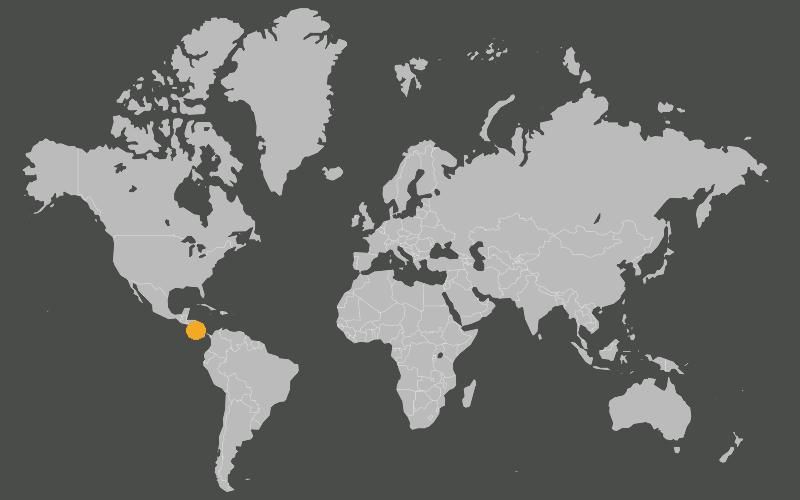
Los Angeles Cloud Forest Reserve, Costa Rica
Hi, I’m Dave, the executive director of bioGraphic. (And that’s my dog, Finn.) Thanks for taking the time to read this story.
Stories like this simply don’t get produced without financial support from readers like you. bioGraphic is not backed by a private company or owned by a billionaire. It’s an independent, nonprofit magazine. And one-quarter of our annual budget comes directly from reader donations.
We need your support more than ever, as governments slash funding for conservation and scientific research, placing even more ecosystems and wildlife at risk around the world. At bioGraphic, we’re steadfastly shining a light on the threats to our planet’s incredible biodiversity. And we’re showcasing the hard work of people bravely taking action to protect at-risk species.
bioGraphic publishes environmental reporting that you can’t find anywhere else: deeply researched, trustworthy stories that are also beautiful and captivating to read. We offer an antidote to reader apathy and doom-and-gloom news by revealing the wonders of the natural world and focusing on real solutions to big problems. When you finish a bioGraphic story, we want to leave you feeling informed, delighted, and inspired.
We don’t run ads or hide our stories behind a paywall. The readers who generously support bioGraphic allow our work to remain free for everyone.
Will you help us keep telling these crucial stories?

Author

Related Articles
Burial at Sea
The whitemargin stargazer’s ghoulish, upturned face allows the fish to bury its body in sand and nearly disappear—while watching for its next unsuspecting meal.
Milt Meal
Marine creatures will do almost anything for a meal—including feasting on the sperm and eggs of spawning invertebrates.
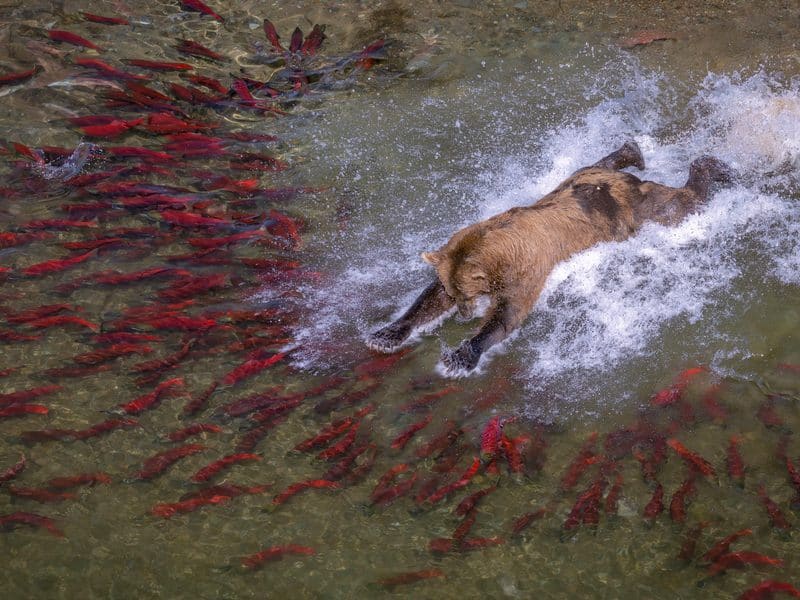
The Art of the Catch
To bulk up for winter hibernation, Alaska’s brown bears employ a range of techniques for snaring salmon.