
Photograph by Ralph Pace
Story by Katie Jewett
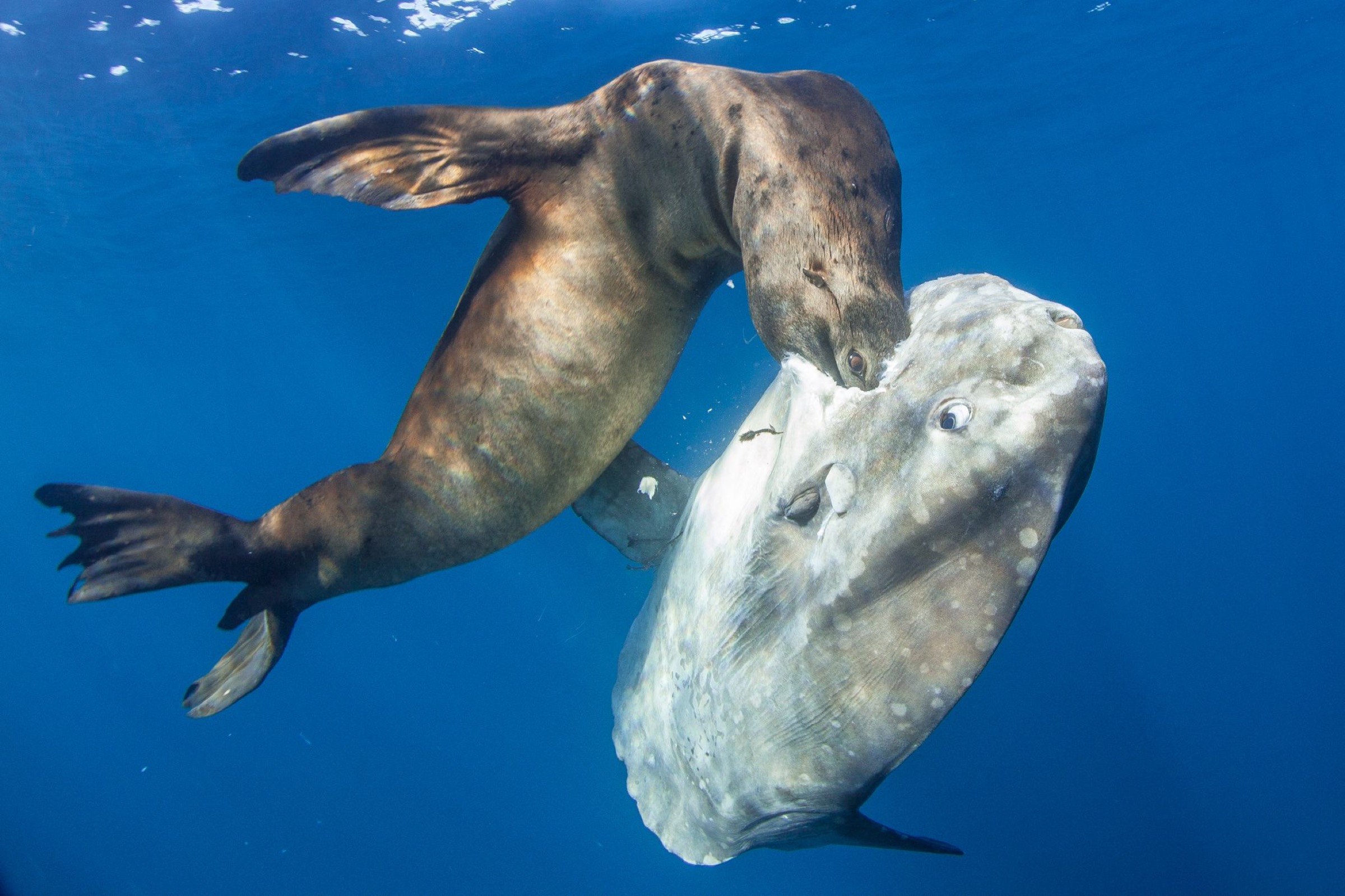
Nine miles off the San Diego coast in the open blue waters of Nine Mile Bank, a California sea lion (Zalophus californianus) plunges head first into the tough flesh of Earth’s largest bony fish: an ocean sunfish (Mola mola). The mola, a graceful behemoth that can grow up to 3.1 meters (10 feet) in length and 4.2 meters (14 feet) from fin tip to fin tip, spends much of its time basking at the ocean’s surface, one eye pointed skyward. Drawing warmth from the sun helps molas recover from cold, deep dives—often to depths of nearly 800 meters (2600 feet)—where they forage for invertebrate prey such as jellyfish. With its lethargic movements through the water and no obvious defense mechanisms, the mola would almost surely be more vulnerable to predators if not for its thick, sandpaper-like skin. Typically, only orcas dare to attack and consume adult molas. But climate conditions off the California coast have been anything but typical in recent years. This trend coupled with the effects of El Niño has caused unusually warm waters to persist throughout vast swaths of the eastern Pacific. Fish like sardines and anchovies that sea lions typically favor as prey have migrated farther north in search of cooler waters. When photographer Ralph Pace first encountered this underwater scene, he immediately noted the peculiarity of the sea lion’s food choice. Initially, Pace struggled to capture a shot amidst the chaotic battle for survival, but for one moment, the scene calmed and the mola, still alive, seemed to look its predator in the eye as if pleading for its life. This photograph was selected as a finalist in the California Academy of Sciences’ 2016 BigPicture photography competition.
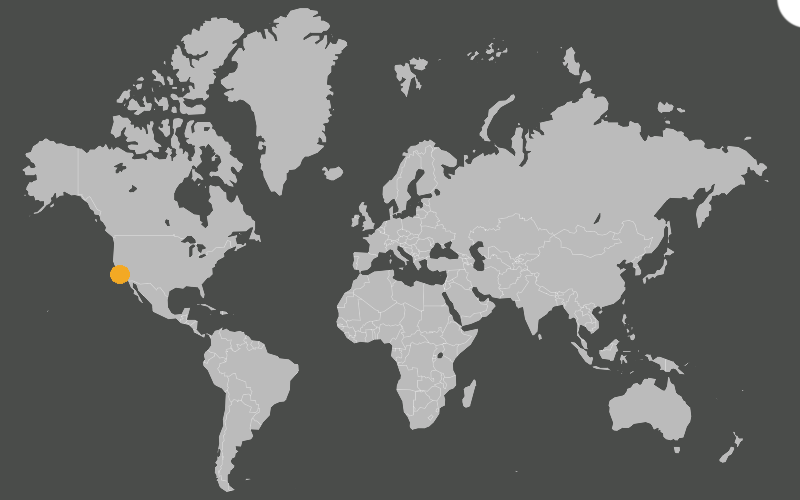
Nine Mile Bank, California
Hi, I’m Dave, the executive director of bioGraphic. (And that’s my dog, Finn.) Thanks for taking the time to read this story.
Stories like this simply don’t get produced without financial support from readers like you. bioGraphic is an independent non-profit—we’re not backed by a private company or owned by a billionaire. One-quarter of our budget comes directly from reader donations.
bioGraphic publishes environmental reporting that you can’t find anywhere else: deeply researched, trustworthy stories that are also beautiful and captivating to read. Right now, we need your help to raise $30,000 by October 2. Every dollar will go directly to more crucial reporting projects.
Around the world, governments are slashing funding for conservation and scientific research, placing even more ecosystems and wildlife at risk. At bioGraphic, we’re steadfastly shining a light on the threats to our planet’s incredible biodiversity. And we’re showcasing the hard work of people bravely taking action to protect at-risk species.
bioGraphic offers an antidote to apathy and doom-and-gloom news by revealing the wonders of the natural world and focusing on real solutions to big problems. When you finish a bioGraphic story, we want to leave you feeling informed, delighted, and inspired.
We don’t run ads or hide our stories behind a paywall. The readers who generously support bioGraphic allow our work to remain free for everyone.
We reached our goal, but there’s time left. Will you help us smash our original goal and reach a new goal of $30,000 by October 2?

Related Articles
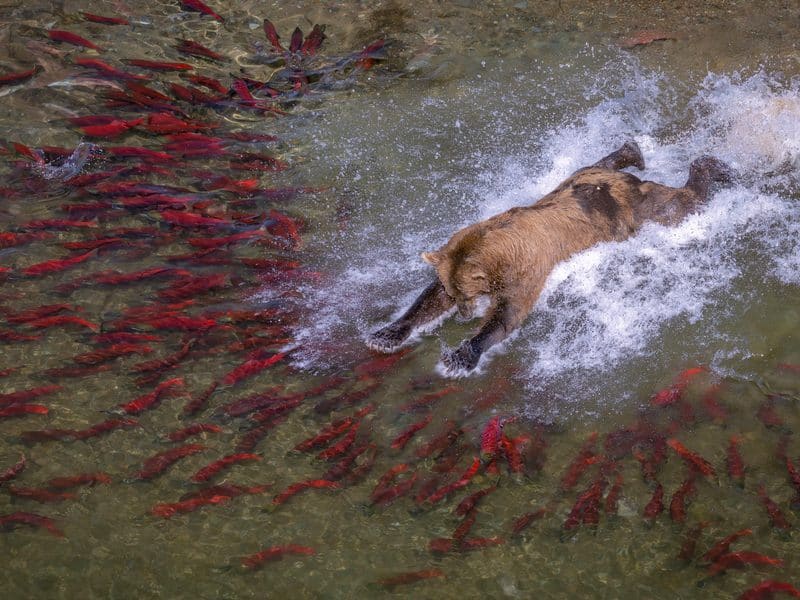
The Art of the Catch
To bulk up for winter hibernation, Alaska’s brown bears employ a range of techniques for snaring salmon.
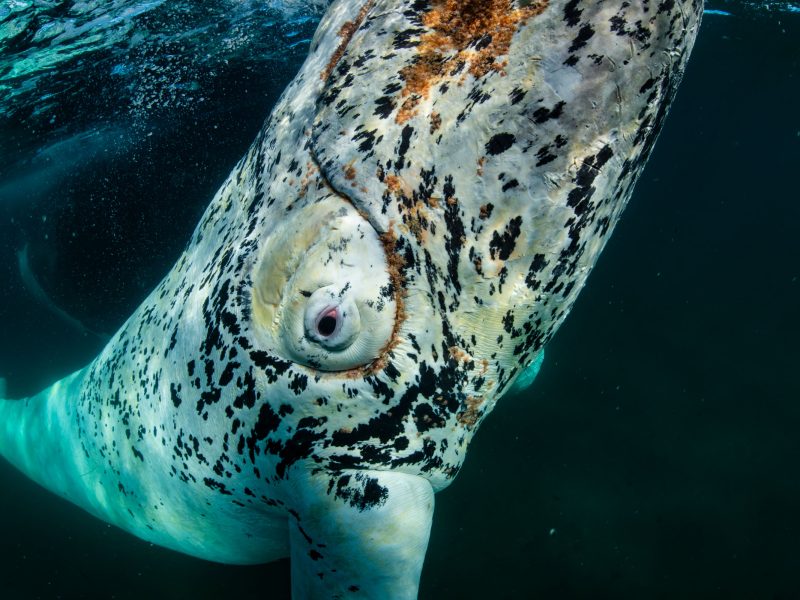
The Wonder of a Pale Whale
A curious calf with an atypical birthday suit is a good sign for southern right whales.
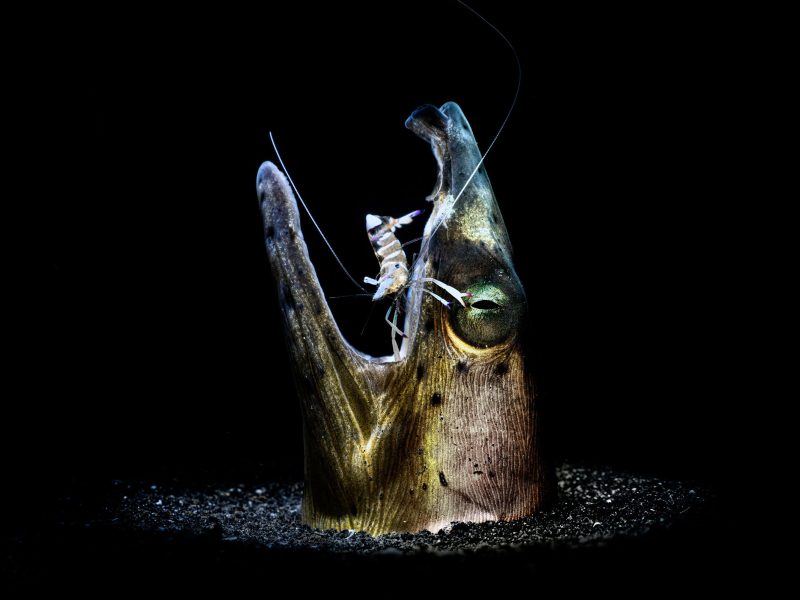
Saying “Ah!” at the Shrimp Spa
On coral reefs, an army of tiny cleaners eat their clients’ parasites, food particles, and dead skin, boosting biodiversity in the process.
