
Photograph by Jeff Milisen
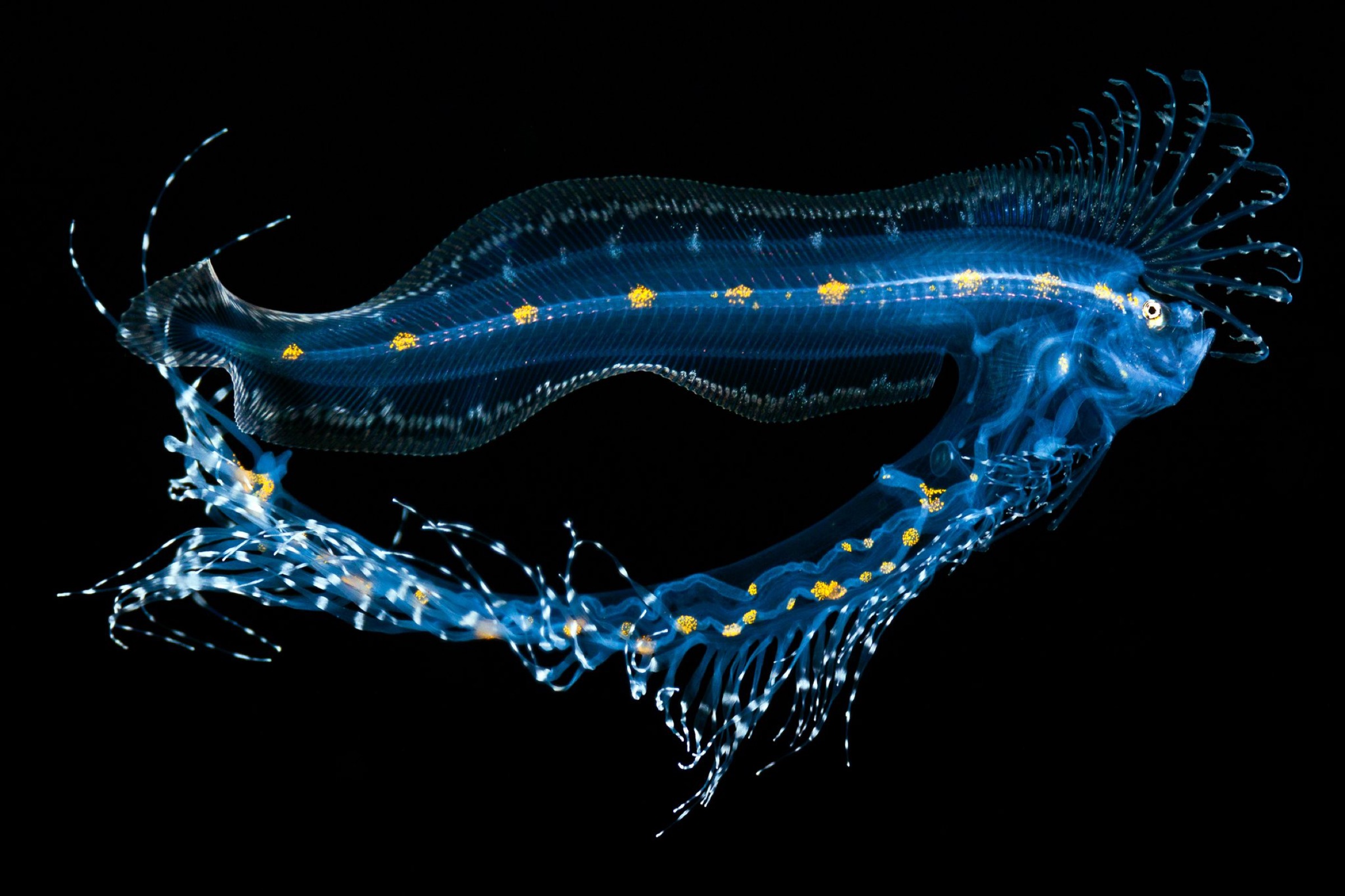
With a dorsal fin that resembles a feathered headdress, a transparent body, and a frilly, external stomach that dangles from its neck like a strand of Christmas lights, this fantastical fish looks more like a Star Wars creation than a piece of pelagic plankton. Scientists have documented similar animals only a handful of times, but they now recognize this bizarre member of the ocean’s planktonic soup to be the highly specialized larval form of a cusk-eel, a group of fishes that—despite their common name—are not actually eels. Most cusk-eels are deep-sea dwellers, but they lay eggs that float up to the surface to hatch. The larvae spend their early lives at shallow depths—eventually making their way back down to the bottom, assuming they can avoid being eaten before they have a chance to mature. The trailing external gut on this larval cusk-eel (Lamprogrammus sp.)—which measured approximately 4 cm (1.6 in)— likely enables the animal to absorb dissolved nutrients directly from the surrounding water, helping the creature develop more quickly. Its frilly stomach protrusions may also deter would-be predators, given their resemblance to the stinging cells of a siphonophore colony (picture the Portuguese man o’ war). Biologist Jeffrey Milisen captured this photograph during a night dive off the coast of Kona, Hawaii, becoming the first photographer to ever document this larval cusk-eel alive.
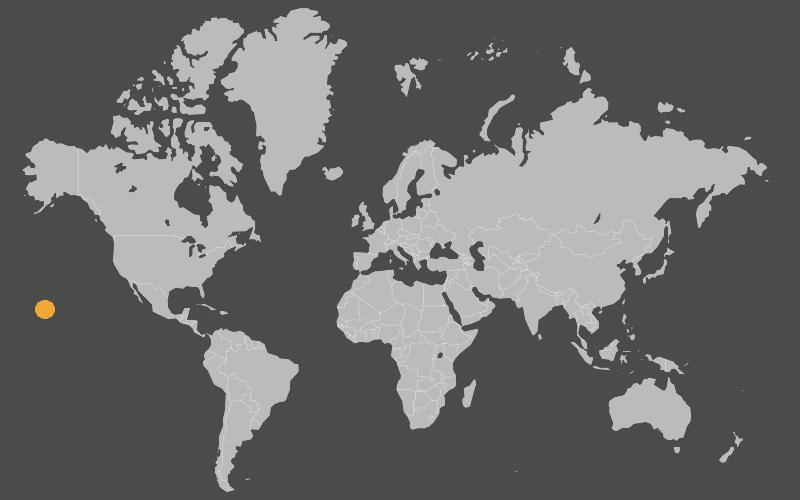
Kailua-Kona, Hawaii
Hi, I’m Dave, the executive director of bioGraphic. (And that’s my dog, Finn.) Thanks for taking the time to read this story.
Stories like this simply don’t get produced without financial support from readers like you. bioGraphic is an independent non-profit—we’re not backed by a private company or owned by a billionaire. One-quarter of our budget comes directly from reader donations.
bioGraphic publishes environmental reporting that you can’t find anywhere else: deeply researched, trustworthy stories that are also beautiful and captivating to read. Right now, we need your help to raise $30,000 by October 2. Every dollar will go directly to more crucial reporting projects.
Around the world, governments are slashing funding for conservation and scientific research, placing even more ecosystems and wildlife at risk. At bioGraphic, we’re steadfastly shining a light on the threats to our planet’s incredible biodiversity. And we’re showcasing the hard work of people bravely taking action to protect at-risk species.
bioGraphic offers an antidote to apathy and doom-and-gloom news by revealing the wonders of the natural world and focusing on real solutions to big problems. When you finish a bioGraphic story, we want to leave you feeling informed, delighted, and inspired.
We don’t run ads or hide our stories behind a paywall. The readers who generously support bioGraphic allow our work to remain free for everyone.
We reached our goal, but there’s time left. Will you help us smash our original goal and reach a new goal of $30,000 by October 2?

Related Articles
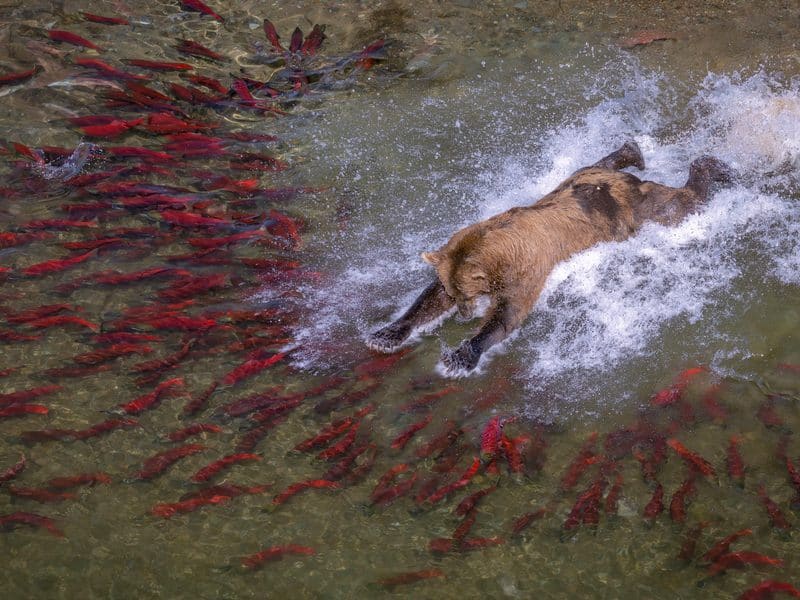
The Art of the Catch
To bulk up for winter hibernation, Alaska’s brown bears employ a range of techniques for snaring salmon.
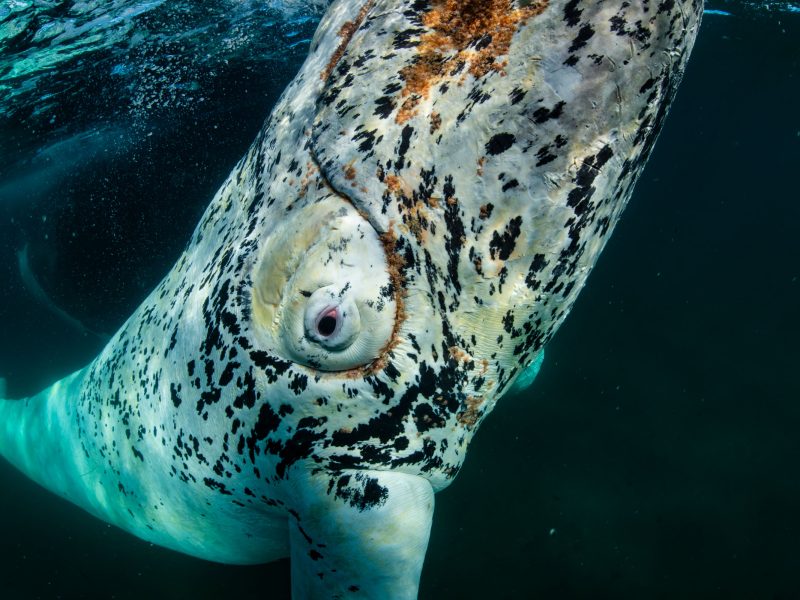
The Wonder of a Pale Whale
A curious calf with an atypical birthday suit is a good sign for southern right whales.
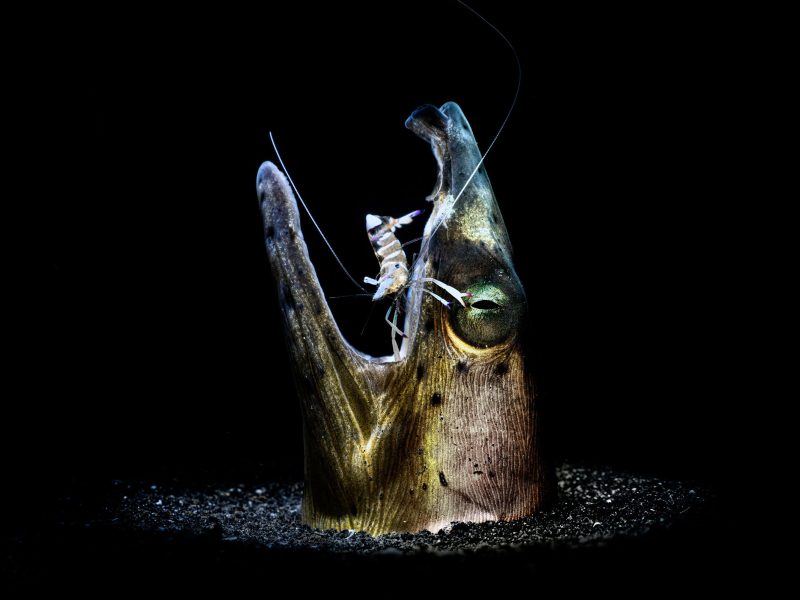
Saying “Ah!” at the Shrimp Spa
On coral reefs, an army of tiny cleaners eat their clients’ parasites, food particles, and dead skin, boosting biodiversity in the process.
