
Photograph by Alexander Badyaev

A female beaver (Castor canadensis) and her one-year-old kit take turns gnawing a large Douglas fir (Pseudotsuga menziesii) near a lake in northern Montana. New research suggests that juveniles master the art of directional tree felling by copying adults, learning how to approach the task and where to place each cut. By gnawing at different heights on opposite sides of the trunk, the beavers work together to fell the tree efficiently and in the desired direction, the female pausing regularly to assess the tree’s angle and stability. Cameras mounted high in the canopy, and fired remotely from just outside the “falling tree zone,” were key to uncovering crucial aspects of tree-felling behavior in this family group. The obvious risk to the photographer’s cameras was deemed a reasonable price to pay.

Blackfoot Valley, Montana
Hi, I’m Dave, the executive director of bioGraphic. (And that’s my dog, Finn.) Thanks for taking the time to read this story.
Stories like this simply don’t get produced without financial support from readers like you. bioGraphic is not backed by a private company or owned by a billionaire. It’s an independent, nonprofit magazine. And one-quarter of our annual budget comes directly from reader donations.
We need your support more than ever, as governments slash funding for conservation and scientific research, placing even more ecosystems and wildlife at risk around the world. At bioGraphic, we’re steadfastly shining a light on the threats to our planet’s incredible biodiversity. And we’re showcasing the hard work of people bravely taking action to protect at-risk species.
bioGraphic publishes environmental reporting that you can’t find anywhere else: deeply researched, trustworthy stories that are also beautiful and captivating to read. We offer an antidote to reader apathy and doom-and-gloom news by revealing the wonders of the natural world and focusing on real solutions to big problems. When you finish a bioGraphic story, we want to leave you feeling informed, delighted, and inspired.
We don’t run ads or hide our stories behind a paywall. The readers who generously support bioGraphic allow our work to remain free for everyone.
Will you help us keep telling these crucial stories?

Author

Related Articles
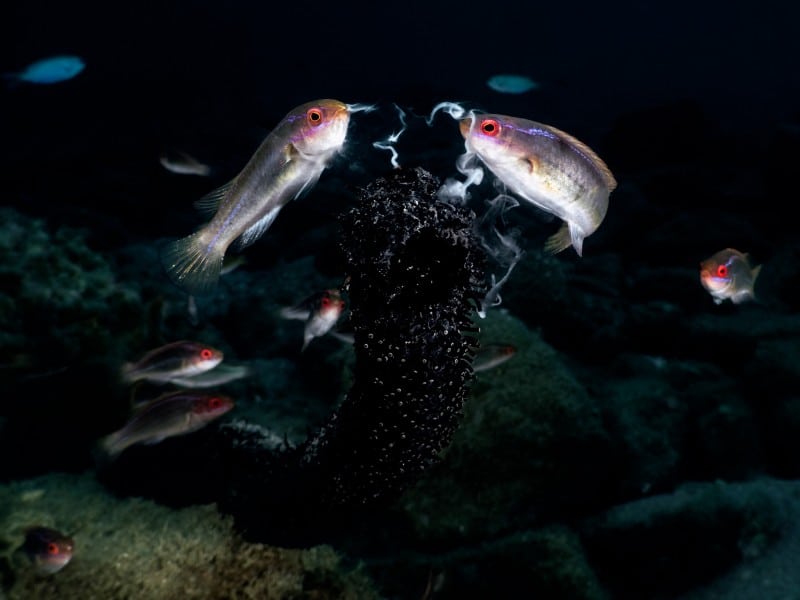
Milt Meal
Marine creatures will do almost anything for a meal—including feasting on the sperm and eggs of spawning invertebrates.
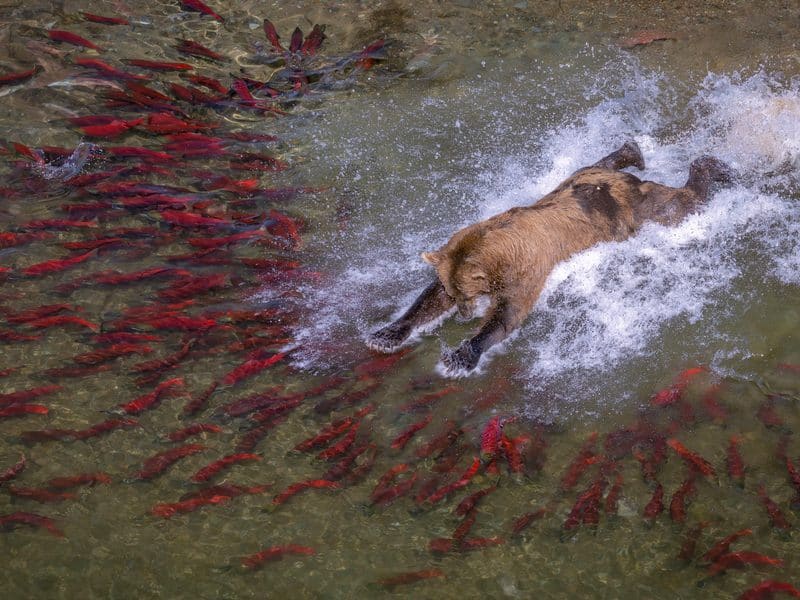
The Art of the Catch
To bulk up for winter hibernation, Alaska’s brown bears employ a range of techniques for snaring salmon.
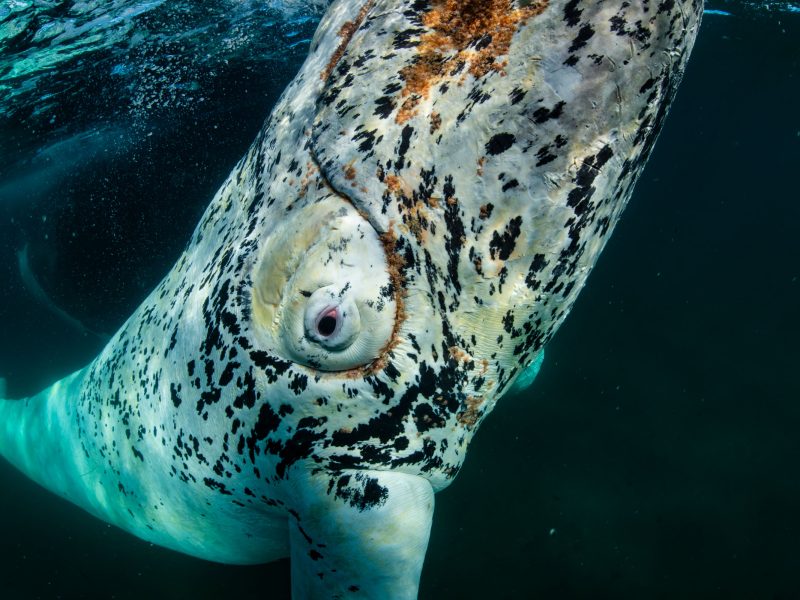
The Wonder of a Pale Whale
A curious calf with an atypical birthday suit is a good sign for southern right whales.