
Photograph by Pete Oxford

Great Fish River Nature Reserve, Eastern Cape Province
SOUTH AFRICA
A viable breeding population of 15 animals being relocated to an undisclosed destination.
ENDANGERED SPECIES. CITES 1
With rhino poaching on the rise in South Africa, wildlife managers are increasingly turning to a last-resort measure to keep the animals safe—relocating rhinos, sometimes across international borders, to areas with lower poaching pressure. Fortunately, recent advances in rhino relocation techniques have made these challenging moves far more successful. Though it may seem counterintuitive, the approach that has given transfer teams the biggest leg up is a foot-first flight. Instead of darting rhinos with large drug doses and corralling dazed animals into a convenient location to be picked up by truck, an airlift operation allows teams to capture an animal from any location and to use less anesthetic, because the process is so much quicker. Blindfolding the rhinos during their flight helps to further reduce the stress of the move. This black rhino (Diceros bicornis) was one of 15 animals relocated from South Africa’s Great Fish River Nature Reserve north to an undisclosed private game reserve near Botswana’s southern border, where it is hoped they will be the start of a new, secure population. Photographer Pete Oxford documented the move from his seat inside a Robinson 44 helicopter, while a Vietnam-era Huey helicopter airlifted the rhino a short distance to a waiting truck that would carry the animal to its new home.

Great Fish River Nature Reserve, South Africa
Hi, I’m Dave, the executive director of bioGraphic. (And that’s my dog, Finn.) Thanks for taking the time to read this story.
Stories like this simply don’t get produced without financial support from readers like you. bioGraphic is not backed by a private company or owned by a billionaire. It’s an independent, nonprofit magazine. And one-quarter of our annual budget comes directly from reader donations.
We need your support more than ever, as governments slash funding for conservation and scientific research, placing even more ecosystems and wildlife at risk around the world. At bioGraphic, we’re steadfastly shining a light on the threats to our planet’s incredible biodiversity. And we’re showcasing the hard work of people bravely taking action to protect at-risk species.
bioGraphic publishes environmental reporting that you can’t find anywhere else: deeply researched, trustworthy stories that are also beautiful and captivating to read. We offer an antidote to reader apathy and doom-and-gloom news by revealing the wonders of the natural world and focusing on real solutions to big problems. When you finish a bioGraphic story, we want to leave you feeling informed, delighted, and inspired.
We don’t run ads or hide our stories behind a paywall. The readers who generously support bioGraphic allow our work to remain free for everyone.
Will you help us keep telling these crucial stories?

Related Articles
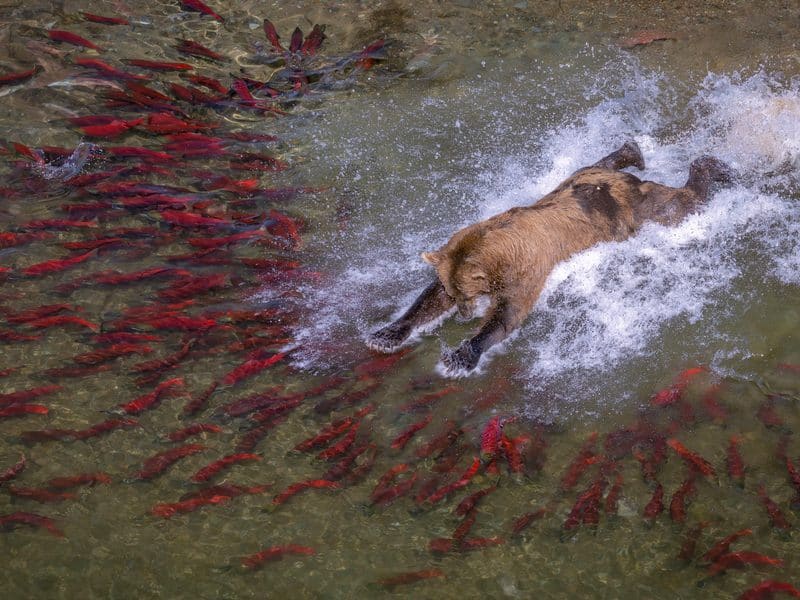
The Art of the Catch
To bulk up for winter hibernation, Alaska’s brown bears employ a range of techniques for snaring salmon.
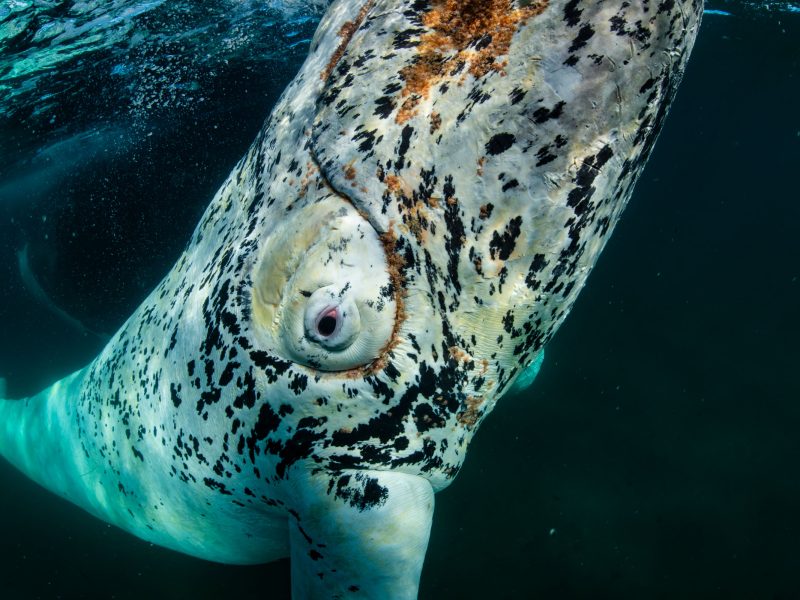
The Wonder of a Pale Whale
A curious calf with an atypical birthday suit is a good sign for southern right whales.
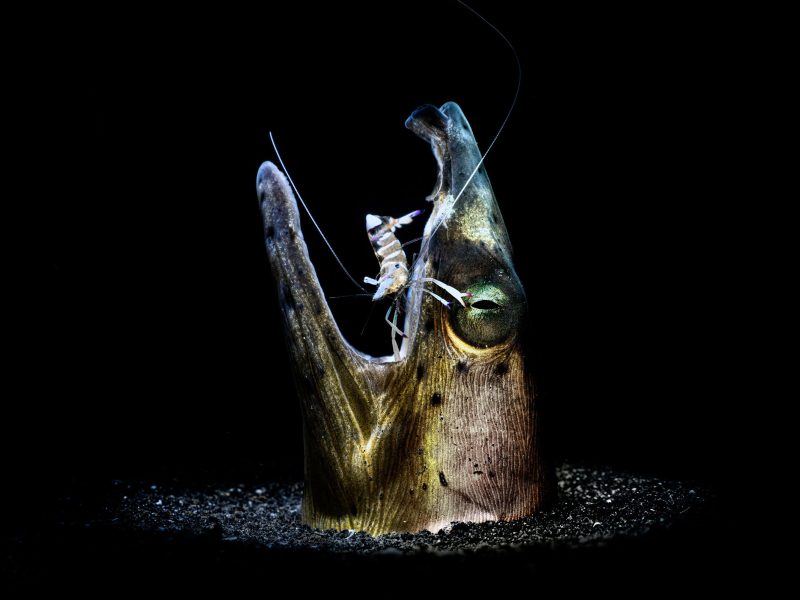
Saying “Ah!” at the Shrimp Spa
On coral reefs, an army of tiny cleaners eat their clients’ parasites, food particles, and dead skin, boosting biodiversity in the process.
