
Photograph by Alexander Badyaev

A pair of gray foxes (Urocyon cinereoargenteus) is at home in a tall ironwood tree, high above the Sonoran Desert floor. The species first evolved more than 7 million years ago in the lush tropical forests that once covered what is today’s American Southwest. Since that time, this anatomically distinct fox has accumulated an impressive array of un-fox-like adaptations for life in the canopy, including primate-like flexible wrists and cat-like paws with long, curved claws that allow it to grip tree branches. This arsenal allows this uniquely arboreal fox species to sneak up on birds roosting near the tips of branches and to drag heavy objects—here, the skeleton of a fawn—into the canopy. Fox pairs use the skeletons as pungent scent posts to mark their territories. Particularly after rain, the smell of these “skeleton trees” can be quite powerful and can carry great distances.

Tucson, Arizona
Hi, I’m Dave, the executive director of bioGraphic. (And that’s my dog, Finn.) Thanks for taking the time to read this story.
Stories like this simply don’t get produced without financial support from readers like you. bioGraphic is not backed by a private company or owned by a billionaire. It’s an independent, nonprofit magazine. And one-quarter of our annual budget comes directly from reader donations.
We need your support more than ever, as governments slash funding for conservation and scientific research, placing even more ecosystems and wildlife at risk around the world. At bioGraphic, we’re steadfastly shining a light on the threats to our planet’s incredible biodiversity. And we’re showcasing the hard work of people bravely taking action to protect at-risk species.
bioGraphic publishes environmental reporting that you can’t find anywhere else: deeply researched, trustworthy stories that are also beautiful and captivating to read. We offer an antidote to reader apathy and doom-and-gloom news by revealing the wonders of the natural world and focusing on real solutions to big problems. When you finish a bioGraphic story, we want to leave you feeling informed, delighted, and inspired.
We don’t run ads or hide our stories behind a paywall. The readers who generously support bioGraphic allow our work to remain free for everyone.
Will you help us keep telling these crucial stories?

Author

Related Articles
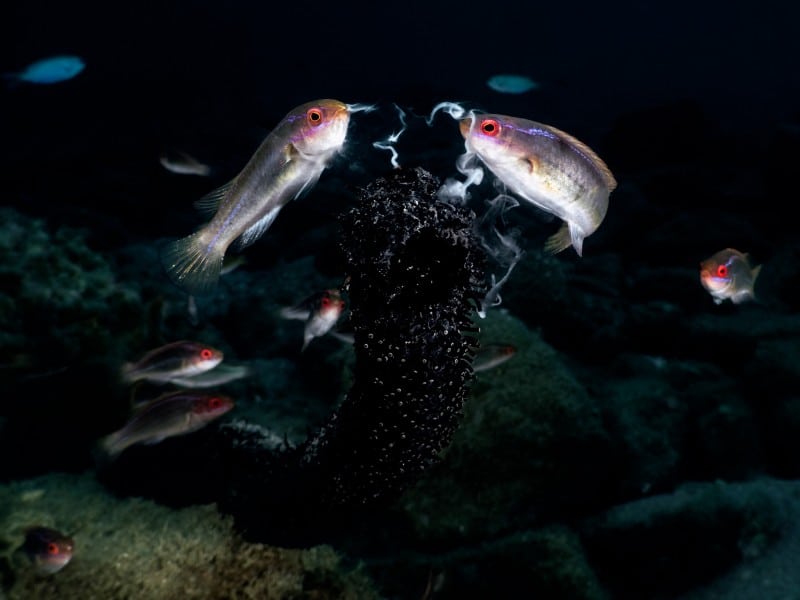
Milt Meal
Marine creatures will do almost anything for a meal—including feasting on the sperm and eggs of spawning invertebrates.
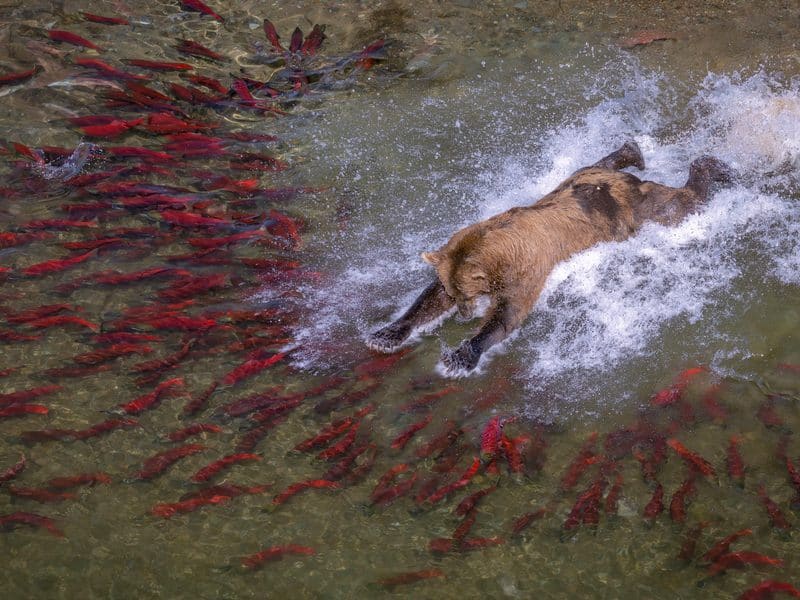
The Art of the Catch
To bulk up for winter hibernation, Alaska’s brown bears employ a range of techniques for snaring salmon.
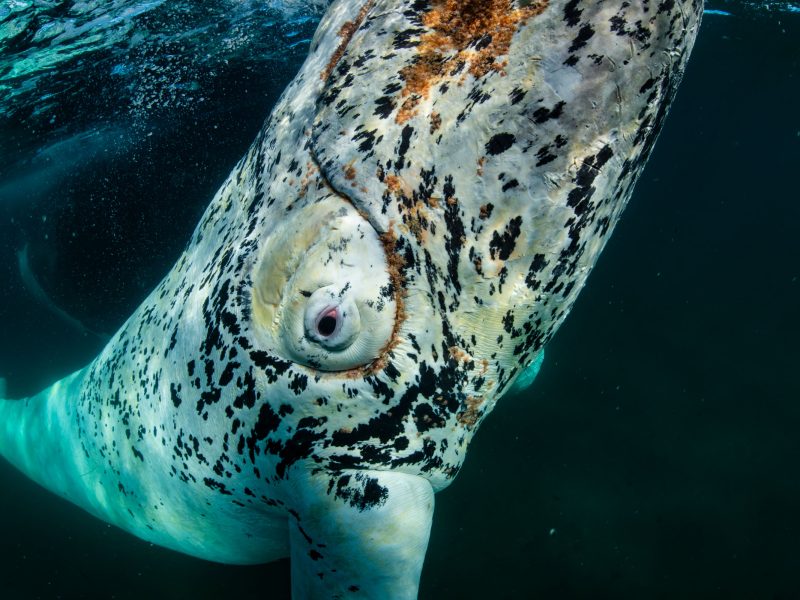
The Wonder of a Pale Whale
A curious calf with an atypical birthday suit is a good sign for southern right whales.